
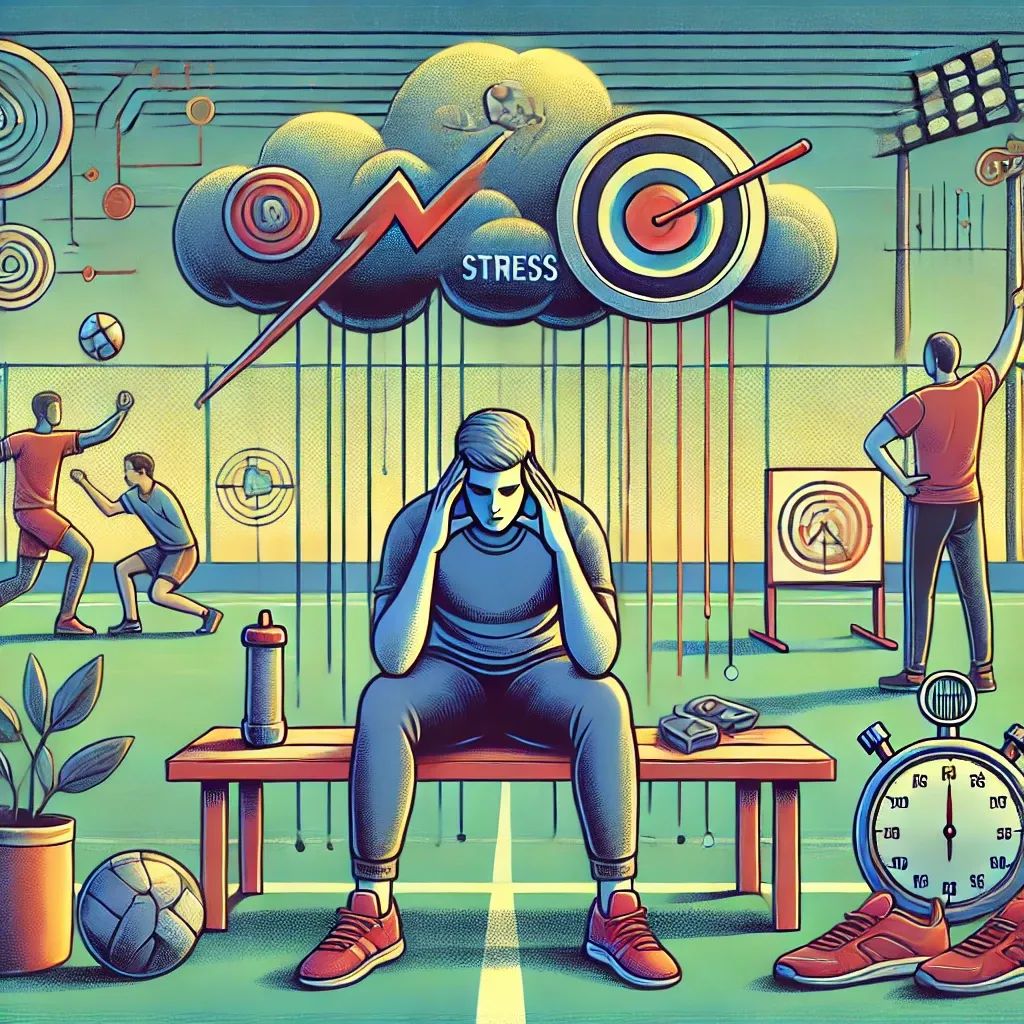
Sports fans experiencing intense emotional distress following poor performances by national teams—a phenomenon often described as “sports fan depression”—are increasingly seeking professional mental health guidance as experts warn that these reactions can transcend simple disappointment. This can be connected to stress or depressive symptoms.
The intensity of fan engagement can blur the lines between recreational enjoyment and emotional dependency. While identifying with a team provides a sense of community and shared identity, the reliance on athletic success for personal well-being can lead to significant mood volatility.
Understanding the Psychology of Fan-Related Stress
Sports fan depression is not a formal clinical diagnosis, but it is recognized as a significant form of situational stress. The emotional investment in a team’s performance can trigger the same neurochemical responses as personal achievements or failures. When a team suffers a “poor performance” or a series of losses, fans who have deeply integrated the team’s success into their own sense of self may experience a genuine sense of loss or grief.
For many, watching matches provides a source of “healing” or catharsis, offering an escape from daily pressures. However, when the sport itself becomes a primary source of negative emotion, the intended stress-relief mechanism fails.
Strategies for Maintaining Emotional Balance
Managing the emotional highs and lows of sports fandom requires intentional boundary setting. Behavioral health experts recommend several evidence-based approaches to mitigate the risk of sports-related mood swings:
- Diversify Interests: Reducing the amount of time spent exclusively on sports-related media can help maintain perspective. Engaging in hobbies that offer a sense of personal mastery—such as exercise, reading, or learning a new skill—can act as a buffer against team-related failures.
- Practice Mindful Observation: Approaching a game as a spectator rather than a stakeholder allows for a healthier emotional distance. Reminding oneself that the outcome of a match is beyond the individual’s control is a key tenet of cognitive behavioral therapy (CBT) techniques used to manage anxiety.
- Limit Post-Game Analysis: Immersing oneself in social media commentary or toxic fan debates after a loss often prolongs the distress. Choosing to disconnect from team-related forums immediately following a difficult match can prevent ruminative thinking.
When to Seek Professional Support
If feelings of sadness, lack of motivation, or social withdrawal persist long after the conclusion of a sporting event, it may be time to consult a mental health professional. While sports-related distress is often temporary, it can serve as a catalyst for underlying issues, such as generalized anxiety or depression, to surface.
Seeking help is a sign of resilience, not weakness. If a fan finds that their interest in sports is interfering with their daily responsibilities, work performance, or personal relationships, the situation has moved beyond the scope of casual fandom and into the realm of clinical concern.
The Role of Community in Sports Fandom
While the risks of emotional distress are real, the communal aspect of sports remains a powerful tool for social cohesion. Participating in fan communities can provide support systems that help individuals process both victories and defeats in a healthy, shared context. The key is ensuring that the community remains supportive and does not devolve into environments that encourage extreme emotional reactivity or hostility.
By balancing the passion for the game with a commitment to personal mental health, fans can continue to enjoy the benefits of sports while protecting themselves from the potential pitfalls of over-identification. As the sporting calendar continues to provide new opportunities for competition, maintaining this equilibrium is essential for long-term enjoyment and well-being.
Readers who feel overwhelmed by their reactions to recent sporting events are encouraged to contact local mental health resources or national helplines for confidential support. For further updates on mental health awareness and coping strategies, stay tuned to our upcoming features on emotional wellness.