
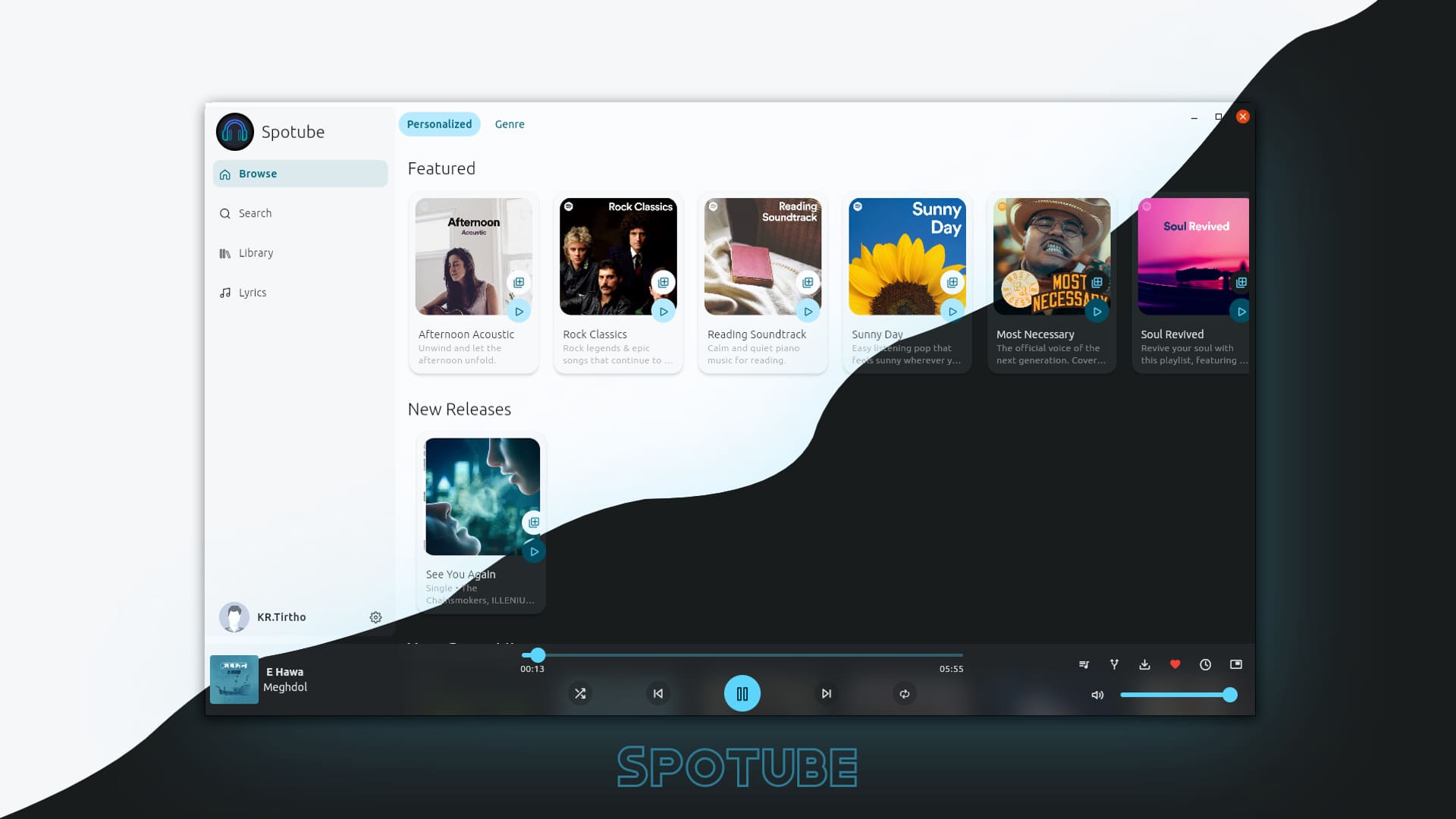
The competition between global music streaming giants has evolved beyond simple library size, shifting toward a battle over audio fidelity, user experience, and the ease with which listeners can move their curated musical identities between platforms. As users increasingly seek higher-quality audio and more intuitive discovery tools, the interoperability between services like Spotify and Deezer has grow a focal point for the modern listener.
For many, the primary barrier to switching streaming services is the “sunk cost” of years spent building playlists, following artists, and training recommendation algorithms. However, the industry is seeing a move toward reducing this friction. The ability to migrate a music library—including albums, artists, and songs—is no longer a manual chore but a streamlined process designed to attract users from competing ecosystems.
While some enthusiasts explore third-party projects and open-source repositories on GitHub to bridge the gap between these databases, official tools now provide a secure pathway for those looking to transition their listening experience without losing their history.
Simplifying the Migration: Moving Libraries to Deezer
One of the most significant hurdles in the streaming market is the “lock-in” effect, where users stay with a service simply because they do not want to recreate their libraries. To combat this, Deezer has implemented a free transfer tool that allows users to import their prized music libraries from various other platforms. This tool supports a wide array of providers, including Spotify, Apple Music, TIDAL, Amazon Music, and YouTube Music [1].
The migration process is designed to be accessible, requiring only three primary steps: logging into or creating a Deezer account, selecting the current music provider, and initiating the transfer of playlists, albums, and artists [1]. For existing Deezer users, this functionality is integrated directly into the settings of both the mobile and web applications.
Beyond simple migration, the goal of importing a library is to jumpstart the platform’s discovery engine. Once a library is transferred, Deezer utilizes its AI-powered feature known as “Flow,” which analyzes the user’s “musical fingerprint” to provide fresh, personalized music suggestions based on the imported data [1].
Audio Fidelity and the Lossless Advantage
As consumer hardware—such as high-resolution headphones and DACs—becomes more prevalent, the technical specifications of streaming services have come under closer scrutiny. A primary point of divergence between the two largest contenders is the approach to audio quality. As of early 2025, Deezer maintains a competitive edge for audiophiles by offering lossless audio, a feature that distinguishes it from Spotify, which has yet to widely release its anticipated “HiFi” tier [2].
Lossless audio ensures that the music is transmitted without the data loss associated with traditional compression, providing a sound profile that is closer to the original studio recording. For users who prioritize sonic accuracy over other features, this makes Deezer a more attractive option in the current market landscape [2].
User Interface: Aesthetics and Functionality
The visual and navigational experience of a streaming app significantly impacts user retention. Spotify and Deezer offer contrasting philosophies in their interface design. Spotify is characterized by its signature dark-themed interface, which is widely regarded as easy to navigate and supports dynamic elements such as animated cover art for certain songs [2].

In contrast, Deezer employs a brighter, more colorful user interface with a uniform font across the platform. One of its standout aesthetic features is the “Now Playing” section, where the background color dynamically changes to match the artwork of the song currently playing [2].
From a functional standpoint, both services offer similar content availability and organizational structures. Deezer’s Music page is categorized into sections such as “Your favorite artists,” “Recommended playlists,” and “Music by genre,” while Spotify’s Home page focuses on time-of-day recommendations and recently played music [2].
Comparison of Key Service Features
| Feature | Spotify | Deezer |
|---|---|---|
| Lossless Audio | Not widely available (HiFi pending) | Available |
| UI Theme | Dark-themed | Bright and colorful |
| Library Migration | Standard provider | Integrated transfer tool for multiple services |
| AI Discovery | Personalized Home page | AI-powered “Flow” fingerprinting |
The choice between these platforms often comes down to whether a user values the social ubiquity and dark-mode aesthetic of Spotify or the high-fidelity audio and bright interface of Deezer. With the removal of migration barriers, users are now more empowered to switch based on these technical preferences rather than fear of losing their music history.
The next major shift in this space is expected as Spotify continues to develop its high-fidelity offerings, which may close the current gap in audio quality. Users interested in maintaining the most current version of their libraries are encouraged to check the settings menus of their respective apps for the latest migration updates.
Do you prioritize audio quality or user interface when choosing a streaming service? Share your thoughts in the comments below.