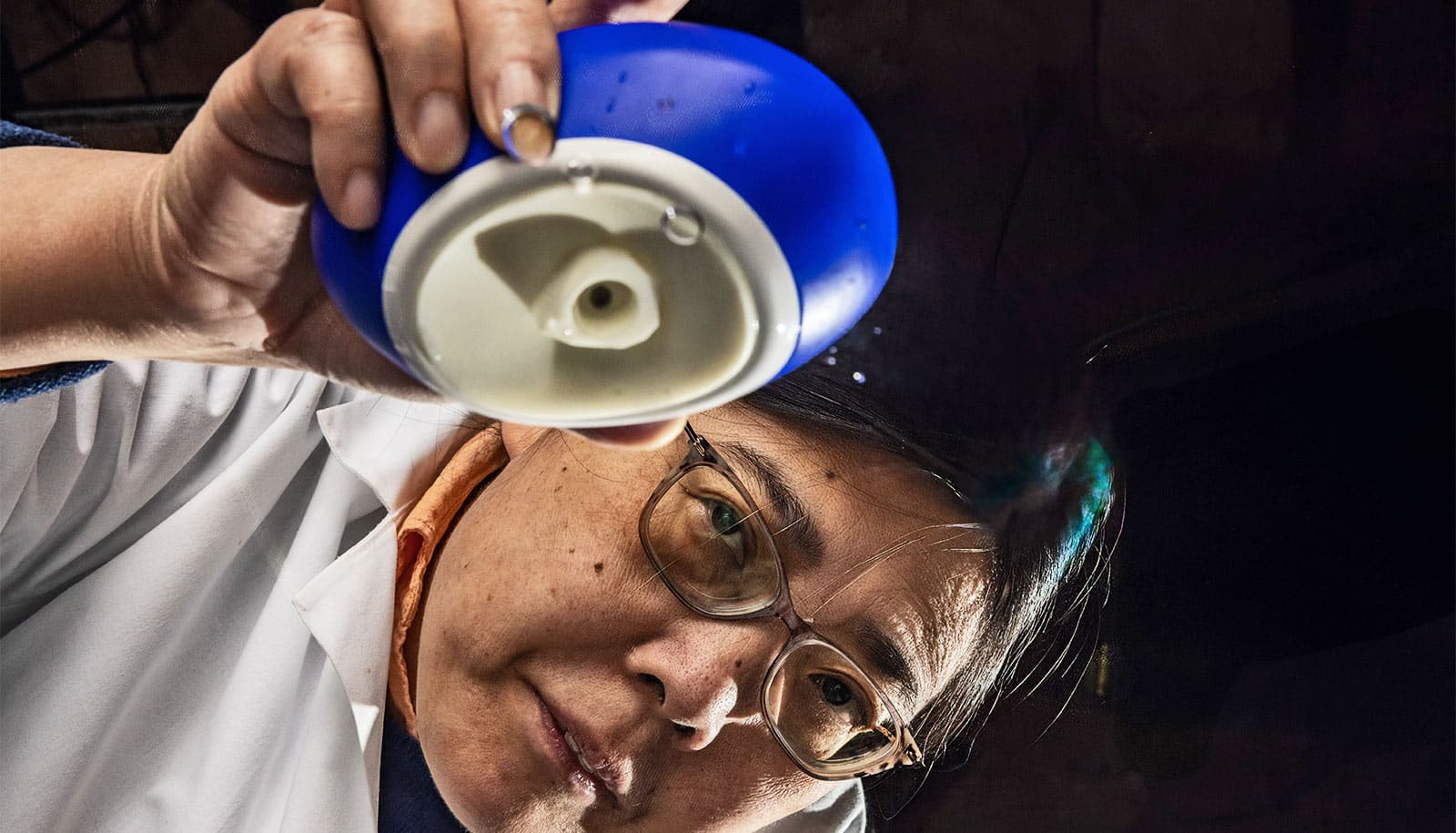
The fight against antibiotic resistance may have a new ally: a spray-mist technology capable of delivering medication directly into infected tissue. Researchers at the University of Missouri, led by Dr. Hongmin Sun, have demonstrated a novel approach to treating drug-resistant infections, potentially bypassing the harmful side effects associated with traditional antibiotic delivery methods. This innovation offers a glimmer of hope in a growing global health crisis, where “superbugs” are increasingly rendering common antibiotics ineffective.
The core of this breakthrough lies in adapting a pre-existing micro-infusion device – originally designed for skincare applications – to deliver antibiotics in a fine mist directly to the site of infection. Unlike intravenous administration, which can cause organ damage, or topical creams that are easily removed, this method aims to penetrate the skin and reach deep-seated infections with precision. The research, initially focused on methicillin-resistant Staphylococcus aureus (MRSA), a particularly dangerous bacterium, successfully delivered vancomycin, a last-resort antibiotic, without the typical kidney damage often associated with its systemic use. This targeted approach represents a significant step forward in localized antibiotic therapy.
A New Delivery System for Last-Resort Antibiotics
The escalating threat of antibiotic resistance is a major concern for public health officials worldwide. According to the Centers for Disease Control and Prevention (CDC), antibiotic resistance causes at least 2.8 million infections and 35,000 deaths in the United States annually. The CDC highlights the urgent necessitate for new strategies to combat these infections, and Dr. Sun’s research directly addresses this challenge. The spray-mist technology offers a potential solution by minimizing systemic exposure to potent antibiotics, thereby reducing the risk of adverse effects.
Dr. Sun, an associate professor of cardiovascular medicine and a senior member of the National Academy of Inventors, explained that the device works by pushing the medicine through the skin, effectively treating the infection at its source. This is particularly crucial for infections that are difficult to reach with conventional methods. The team collaborated with Lakshmi Pulakat, formerly of the University of Missouri and now a professor of medicine at Tufts University, and Droplette Inc., the company that manufactures the micro-infusion device, to adapt the technology for antibiotic delivery. Droplette’s device utilizes a patented technology to create a micro-mist, allowing for deeper penetration of the medication into the tissue.
Beyond MRSA: Potential Applications in Chronic Wound Care
Whereas the initial study focused on MRSA, the potential applications of this technology extend far beyond battlefield wounds. Researchers envision its use in treating a range of chronic wounds, including those associated with diabetes and pressure ulcers. Diabetic foot ulcers, for example, are a significant health concern, affecting millions of people worldwide. The National Institutes of Health (NIH) estimates that approximately 15% of people with diabetes will develop a foot ulcer during their lifetime. These ulcers are prone to infection and can lead to amputation if left untreated. The spray-mist technology could offer a less invasive and more effective way to deliver antibiotics to these difficult-to-heal wounds.
“Whether it’s people with diabetic foot ulcers or soldiers hurt in battle, we wanted to come up with a new approach to treat these severely infected wounds in a more targeted way,” Dr. Sun stated. “This can be a game-changing therapy for treating those with severely infected wounds.” Lakshmi Pulakat echoed this sentiment, emphasizing the compassionate care aspect of the technology. “This method of delivering last-resort antibiotics could prevent countless amputations and aid save lives,” she said.
The Science Behind the Mist: How it Works
The key to the technology’s success lies in the unique properties of the micro-mist. Traditional topical antibiotics often struggle to penetrate the skin barrier, limiting their effectiveness. Intravenous antibiotics, while effective, carry the risk of systemic side effects. The micro-mist, however, is able to bypass these limitations by delivering the medication directly to the infected tissue. The device creates a fine spray of antibiotic solution that is propelled through the skin pores, reaching the bacteria at the site of infection. This targeted delivery minimizes systemic exposure, reducing the risk of adverse effects such as kidney damage.
The research team’s function, published in Military Medicine, details the successful delivery of vancomycin using this method. Vancomycin is a glycopeptide antibiotic often reserved for treating serious infections caused by drug-resistant bacteria. Its use is typically limited by its potential for nephrotoxicity (kidney damage). The spray-mist technology, however, appears to mitigate this risk by reducing the overall dose of vancomycin required and minimizing its systemic circulation.
Looking Ahead: Clinical Trials and FDA Approval
The promising results of this initial study have paved the way for future clinical trials. The researchers are currently working to optimize the dosing regimen and refine the delivery parameters to maximize efficacy and minimize side effects. The ultimate goal is to obtain FDA approval for the device, making it available for widespread clinical use. The process of obtaining FDA approval is rigorous, requiring extensive testing and data analysis to demonstrate the safety and efficacy of the technology. However, the potential benefits of this innovation are significant, and the researchers are optimistic about its prospects.
The development of this spray-mist technology represents a significant advancement in the fight against antibiotic resistance. By offering a safer and more effective way to deliver antibiotics to infected tissue, it has the potential to save lives and improve the quality of life for millions of people. The research underscores the importance of continued investment in innovative medical technologies to address the growing challenges of global health.
Key Takeaways
- A new spray-mist device delivers antibiotics directly into infected tissue, minimizing systemic side effects.
- The technology successfully delivered vancomycin, a last-resort antibiotic, without causing kidney damage in initial studies.
- Potential applications extend beyond battlefield wounds to include chronic wounds like diabetic foot ulcers.
- Clinical trials are planned to further evaluate the technology and seek FDA approval.
- This innovation offers a promising new approach to combating the growing threat of antibiotic resistance.
The next step for Dr. Sun and his team is securing funding for larger-scale clinical trials, which are crucial for demonstrating the technology’s effectiveness in a diverse patient population. The team is also exploring the possibility of using the spray-mist technology to deliver other types of medications, such as antifungals and antivirals. The future of this technology looks bright, and it holds the potential to revolutionize the treatment of infectious diseases.
What are your thoughts on this new technology? Share your comments below, and let’s continue the conversation about the fight against antibiotic resistance.
Worth a look