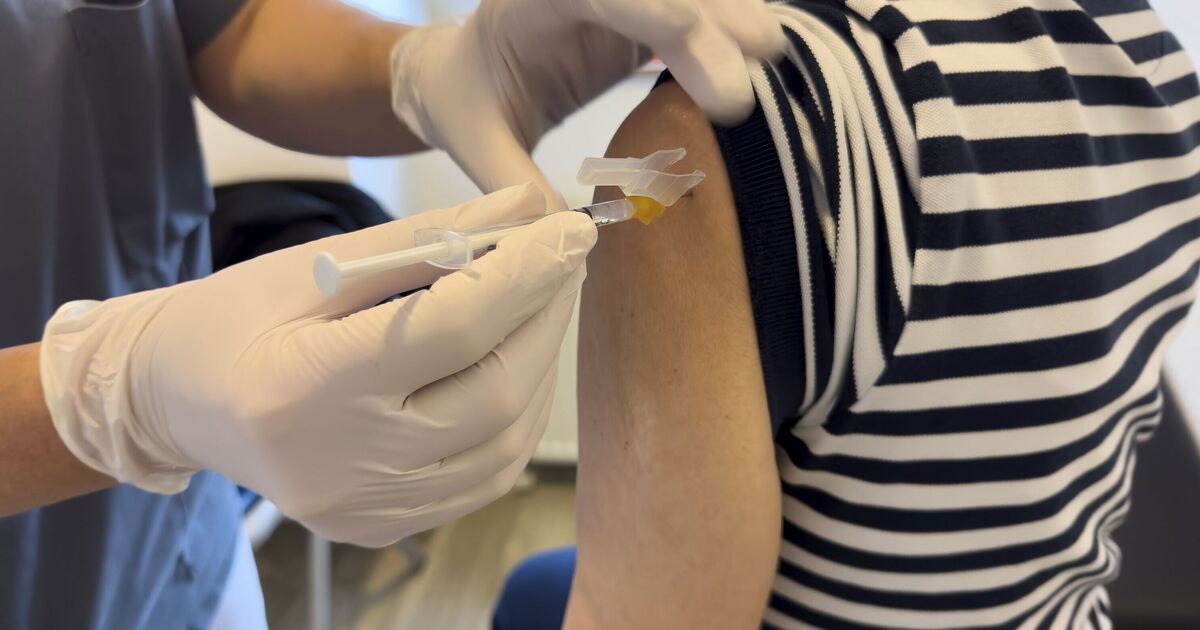
As spring arrives in the Northern Hemisphere, public health authorities across Europe and North America are intensifying efforts to protect older adults from COVID-19 through targeted vaccination campaigns. With immunity from prior doses waning and new variants continuing to circulate, health officials are urging individuals aged 75 and over to receive the latest updated vaccine formulation, designed to offer stronger protection against currently dominant strains.
The renewed push comes amid growing concern that older populations remain disproportionately vulnerable to severe outcomes from SARS-CoV-2 infection, even as broader societal restrictions have lifted. Data from the World Health Organization and national surveillance systems consistently demonstrate that age is the single strongest risk factor for hospitalization and death, with those over 75 facing significantly higher risks than younger age groups.
In response, countries including the United Kingdom, Germany, Canada, and the United States have expanded eligibility for spring booster doses, specifically recommending that adults aged 75 and older—along with immunocompromised individuals and residents of long-term care facilities—schedule their vaccinations as soon as possible. Health agencies emphasize that the updated vaccines, which target the XBB lineage of the virus and its subvariants, are safe, effective, and widely available through clinics, pharmacies, and mobile outreach programs.
“Vaccination remains our most effective tool to prevent severe illness, hospitalization, and death from COVID-19, especially for those at highest risk,” said Dr. Hans Kluge, WHO Regional Director for Europe, in a recent statement. “We urge all eligible older adults to take advantage of the spring booster offer—not just for their own protection, but to reduce pressure on health systems and protect those around them.”
Why the Over-75s Are Being Prioritized
Older adults face a unique combination of biological and social factors that increase their vulnerability to severe COVID-19. Age-related decline in immune function, known as immunosenescence, reduces the body’s ability to mount a strong defense against new infections. Here’s often compounded by underlying health conditions such as heart disease, diabetes, or chronic respiratory illness, which are more prevalent in this age group.
According to data from the UK Health Security Agency, individuals aged 75 and over accounted for more than half of all COVID-19-related deaths in England during the winter of 2023–2024, despite representing less than 10% of the population. Similar trends have been observed in the United States, where the Centers for Disease Control and Prevention (CDC) reports that adults aged 75 and older have experienced hospitalization rates up to 10 times higher than those aged 18–49 during recent waves.
These disparities have prompted public health leaders to frame the spring booster campaign not only as a medical intervention but as an equity issue. “Ensuring equitable access to vaccines for our oldest residents is a moral imperative,” said Dr. Rochelle Walensky, former CDC Director, in a March 2024 briefing. “We understand that barriers—whether related to mobility, digital access, or vaccine hesitancy—can prevent older adults from getting protected. That’s why we’re working with community partners to bring vaccines directly to senior centers, homes, and places of worship.”
What the Updated Vaccine Offers
The spring booster doses being administered in 2024 are based on the Omicron XBB.1.5 variant, which was dominant globally during late 2023 and early 2024. Unlike earlier booster formulations, these updated vaccines are monovalent, meaning they target a single, recent strain to improve immune recognition and response.
Clinical data submitted to regulatory agencies show that the XBB.1.5-adapted mRNA vaccines (Pfizer-BioNTech and Moderna) generate significantly higher neutralizing antibody levels against current circulating variants compared to original or bivalent boosters. A study published in The Lancet Infectious Diseases in February 2024 found that recipients of the XBB.1.5 mRNA booster had, on average, a 3.5-fold increase in antibody titers against XBB-lineage viruses one month after vaccination.
Real-world effectiveness data from Israel and Qatar, where XBB.1.5 boosters were rolled out early, indicate strong protection against symptomatic infection and severe disease in older adults. In Israel, individuals aged 65 and over who received the XBB.1.5 booster had a 72% lower risk of hospitalization due to COVID-19 compared to those who received only prior doses, according to a March 2024 analysis by the Clalit Research Institute.
Safety monitoring continues to show that the updated vaccines have a favorable safety profile. Common side effects—such as soreness at the injection site, fatigue, headache, and mild fever—are typically short-lived and resolve within a few days. Serious adverse events remain extremely rare, with ongoing surveillance by the European Medicines Agency (EMA) and the U.S. Food and Drug Administration (FDA) detecting no new safety concerns linked to the XBB.1.5 formulations.
How to Access the Spring Booster
Eligible individuals can schedule their spring COVID-19 vaccination through national health service portals, local pharmacy chains, or by contacting their primary care provider. In the United Kingdom, the NHS invites eligible patients directly via letter or text message, with booking available through the NHS website or by calling 119. In the United States, vaccines are available at no cost through pharmacies participating in the CDC’s Bridge Access Program, as well as state and local health departments.
For those facing mobility challenges, many countries offer home vaccination services. In Canada, provinces such as Ontario and Alberta provide in-home vaccination for homebound seniors upon request through public health units. Similarly, in Germany, mobile vaccination teams regularly visit assisted living facilities and senior residences to administer doses on-site.
Public health officials stress that timing matters. While the vaccine can be administered at any point, receiving it now—before potential increases in transmission during late spring and summer—maximizes protection during periods of heightened risk. There is no required waiting period after a recent SARS-CoV-2 infection; individuals can receive the booster as soon as they have recovered and feel well enough.
Addressing Hesitancy and Building Trust
Despite clear evidence of benefit, vaccine uptake among older adults varies significantly between and within countries. Surveys by the Kaiser Family Foundation in the U.S. Found that while over 80% of adults aged 65 and older had received at least one booster dose by early 2024, confidence in the need for additional shots declined among some groups, particularly those who believed the pandemic was “over” or doubted the necessity of frequent vaccinations.
To counter misinformation and rebuild trust, health agencies are partnering with trusted community figures—including faith leaders, primary care physicians, and local elders—to deliver clear, culturally appropriate messaging. In France, the national public health agency Santé Publique France launched a campaign featuring testimonials from octogenarians who described getting vaccinated as “an act of love for my grandchildren.”
Experts emphasize that transparency about both benefits and risks is key. “We don’t dismiss concerns—we listen to them,” said Dr. Annelies Wilder-Smith, professor of emerging infectious diseases at the London School of Hygiene & Tropical Medicine. “Then we provide clear, evidence-based answers. For most older adults, the benefits of boosting immunity far outweigh the minimal risks.”
Looking ahead, health authorities continue to monitor viral evolution and vaccine performance. The next major review of COVID-19 vaccine recommendations is expected in September 2024, when the WHO’s Technical Advisory Group on COVID-19 Vaccine Composition (TAG-CO-VAC) will assess whether further updates are needed based on circulating variants.
For now, the message to those over 75 is clear: getting the spring booster is a simple, safe, and powerful step toward staying healthy and independent. As one 82-year-old recipient in Manchester put it after her vaccination: “I’ve lived through wars and winters. This is just another way to look after myself—and the people I love.”
Readers are encouraged to consult their national health service website or speak with a healthcare provider for personalized advice. To share your experience or ask questions about the spring booster campaign, please leave a comment below.
Related reading