The Ingenious Architecture of Squirrels: Unveiling the Secrets of “Dreys”
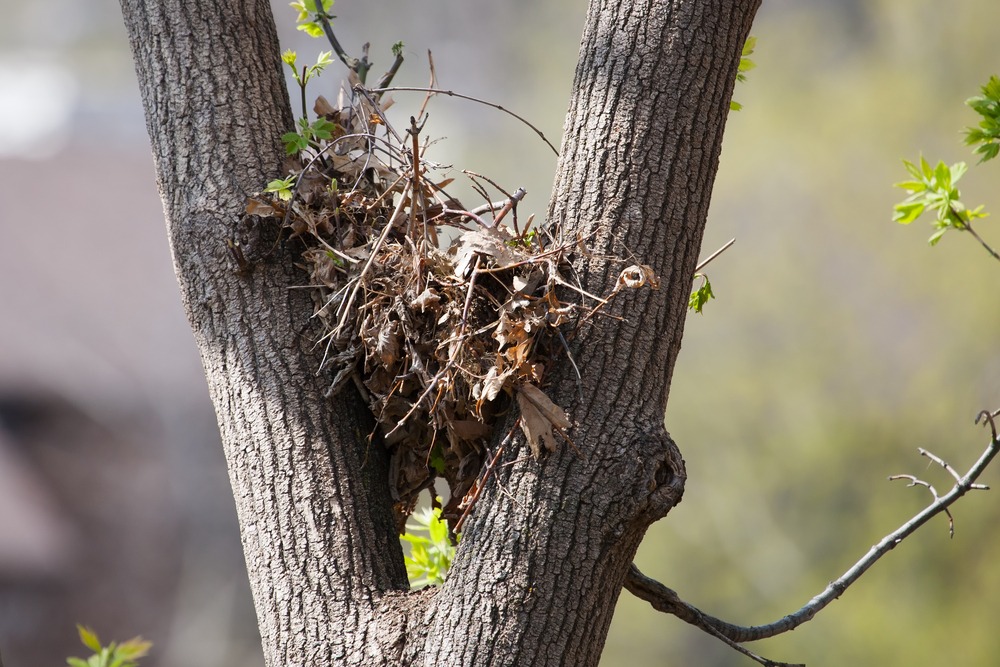
For those who wander through the parks and forests of North Carolina, a curious sight often catches the eye: compact, seemingly haphazard collections of leaves and branches high in the trees. Often mistaken for avian nests, these structures are, in fact, the remarkable handiwork of squirrels. These skillfully constructed homes, known as “dreys,” represent a fascinating example of animal ingenuity and adaptation, providing shelter from the elements and a safe haven for raising young. Understanding the construction and purpose of these arboreal dwellings offers a glimpse into the complex lives of these often-overlooked creatures.
The North Carolina Wildlife Resources Commission has identified these structures as essential components of the local ecosystem, highlighting their importance to squirrel populations. Beyond simply providing shelter, dreys demonstrate a level of architectural planning and resourcefulness that challenges common perceptions of animal behavior. As spring approaches, these structures turn into increasingly visible as squirrels actively maintain and prepare them for the breeding season, showcasing a dedication to ensuring the survival of their offspring.
A Refuge Built of Branches and Leaves
Dreys are primarily constructed from twigs and dry leaves, meticulously woven together to create a robust and insulated shelter. Unlike the open-cup shape typical of most bird nests, dreys form a more enclosed sphere or cavity, offering significantly greater protection from inclement weather and potential predators. This closed structure is a key feature distinguishing dreys from other types of animal nests found in the trees. The construction process is ongoing, with squirrels continually adding to and reinforcing their dreys, adapting them to changing environmental conditions.
Typically situated amongst the high branches of trees, dreys provide squirrels with a secure vantage point for resting, sleeping, and nurturing their young. The height offers a degree of safety from ground-based predators, while the dense foliage provides camouflage, and concealment. The strategic placement of dreys demonstrates a clear understanding of environmental risks and a proactive approach to minimizing vulnerability. The North Carolina Wildlife Resources Commission notes that the specific tree species chosen for drey construction can vary depending on availability and the squirrel’s individual preferences.
The Detail That Reveals Mother Squirrels
During the nesting season, female squirrels take extraordinary measures to ensure the comfort and warmth of their dreys. They line the interior with fur plucked from their own bodies, creating a soft and insulating layer for their young. This behavior, while seemingly self-sacrificing, is crucial for maintaining a stable temperature within the drey, particularly during colder months.
Interestingly, this fur-lining practice can result in temporary patches of hair loss on the mother squirrel’s back, sometimes appearing as a minor “saddle mark.” This distinctive feature serves as a visible sign of a mother actively engaged in raising her young. The fur grows back over time, but the temporary bald spot is a testament to the dedication and maternal instincts of these animals. This unique adaptation highlights the lengths to which squirrels will go to ensure the survival of their offspring.
The construction of dreys isn’t a solitary endeavor. While individual squirrels may initiate the building process, they often collaborate with other members of their community, sharing resources and contributing to the overall structural integrity of the drey. This cooperative behavior underscores the social dynamics within squirrel populations and their ability to work together for mutual benefit. The North Carolina Wildlife Resources Commission emphasizes the importance of preserving forested habitats to support these complex social structures and ensure the continued availability of resources for drey construction.
Beyond Shelter: The Ecological Significance of Dreys
Dreys are not merely shelters; they play a vital role in the broader ecosystem. They contribute to nutrient cycling as leaves and branches decompose within the structure, enriching the surrounding soil. Abandoned dreys can provide temporary shelter for other small animals, creating a cascading effect of ecological benefits. The presence of dreys also indicates a healthy and diverse forest ecosystem, serving as an indicator of environmental quality.
The North Carolina Wildlife Resources Commission actively promotes responsible wildlife management practices, including habitat preservation and public education. Their website, www.ncwildlife.gov, provides valuable information on squirrel biology, habitat requirements, and conservation efforts. The commission also offers collectible, credit-card style licenses, known as “Hard Cards,” for outdoor enthusiasts, promoting responsible engagement with the state’s natural resources.
Recent news from the commission, dated March 6, 2026, highlights the suspension of the striped bass season by hook-and-line in the Roanoke River, demonstrating their commitment to managing fish populations and protecting aquatic ecosystems. On March 3, 2026, the commission announced it was seeking public comments for a proposed temporary rule change for sheepshead, showcasing their dedication to transparency and public involvement in conservation decisions. These actions underscore the broader context of wildlife management in North Carolina and the importance of understanding the interconnectedness of different species and habitats.
Squirrel Species and Drey Variations
While the general structure of a drey remains consistent, variations can occur depending on the squirrel species and the available materials. The most common squirrel species found in North Carolina, including the Eastern Gray Squirrel (Sciurus carolinensis) and the Fox Squirrel (Sciurus niger), both construct dreys, though subtle differences in size and construction techniques may be observed. The Eastern Gray Squirrel, known for its adaptability, often builds larger and more complex dreys, while the Fox Squirrel may favor simpler, more streamlined designs.
Beyond dreys, squirrels also utilize tree cavities as dens, particularly during the winter months. However, dreys offer a more flexible and readily available shelter option, allowing squirrels to quickly establish a home in a variety of locations. The ability to construct dreys efficiently is a key factor in the squirrel’s success as a widespread and adaptable species.
Looking Ahead: Continued Research and Conservation
Ongoing research into squirrel behavior and habitat requirements is crucial for informing effective conservation strategies. The North Carolina Wildlife Resources Commission continues to monitor squirrel populations and assess the impact of environmental changes on their habitat. Interactive maps and resources are available through the commission’s ArcGIS platform, ncwrc.maps.arcgis.com, providing valuable insights into wildlife distribution and conservation areas.
As human development continues to encroach upon natural habitats, It’s increasingly important to protect forested areas and promote responsible land management practices. Supporting organizations like the North Carolina Wildlife Resources Commission and advocating for policies that prioritize wildlife conservation are essential steps in ensuring the long-term survival of squirrels and the preservation of their remarkable dreys. The future of these ingenious structures, and the creatures that build them, depends on our collective commitment to protecting the natural world.
The North Carolina Wildlife Resources Commission is scheduled to hold a special webinar commission meeting via Zoom on March 24, 2026, to discuss ongoing conservation initiatives. Further details can be found on their website. We encourage readers to share their observations and experiences with squirrels and their dreys in the comments below, and to share this article with others interested in learning more about the fascinating world of wildlife.
Worth a look