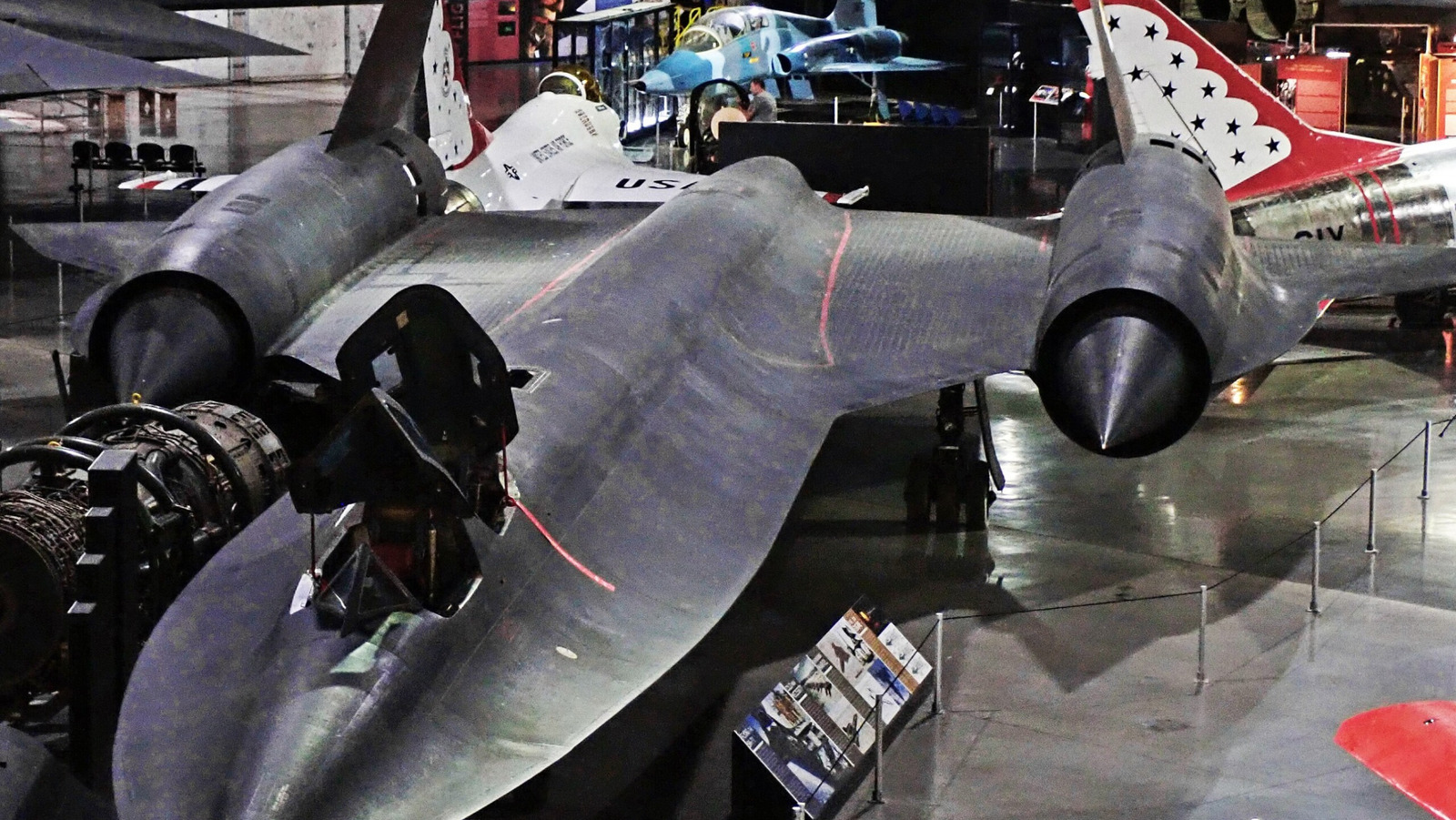
The SR-71 Blackbird: A Deep Dive into the Fuel, Engine, and Unrivaled Performance
The SR-71 Blackbird remains an enduring symbol of aviation innovation, pushing the boundaries of speed and reconnaissance. But behind its sleek, black exterior lies a fascinating story of specialized fuel and a revolutionary engine – both critical to its unprecedented performance. Let’s explore the engineering marvels that allowed this aircraft to dominate the skies.
The Challenge of Hypersonic Flight
Reaching and sustaining speeds exceeding Mach 3 (three times the speed of sound) presents immense challenges. Traditional jet fuels simply couldn’t withstand the extreme temperatures generated at those velocities. You need a fuel that remains stable, resists breakdown, and doesn’t leave behind damaging deposits within the intricate fuel system.
This led to the progress of advanced fuels like JP-7 (PWA 535) and PWA 523E. These weren’t just about energy density; they were engineered for thermal stability and to tolerate higher levels of sulfur impurities. Maintaining fuel integrity was paramount to reliable operation.
Igniting the Impossible: Triethylborane
Even with a suitable fuel, ignition at hypersonic speeds proved difficult. conventional ignition systems struggled to maintain a consistent flame. The solution? Triethylborane.
This highly effective chemical igniter ensures a steady flame, even under the most extreme conditions. It dramatically improved engine performance and allowed the Blackbird to consistently achieve its incredible speeds.
The Heart of the Beast: The Pratt & whitney J58 Turbojet
Raw power alone wasn’t enough.The SR-71 needed an engine capable of withstanding immense heat and delivering sustained thrust. Enter the Pratt & Whitney J58 turbojet, entering production in 1964.
This engine wasn’t just powerful; it was intelligently designed. Engineers utilized the superalloy Waspaloy to withstand the scorching temperatures generated during flight.
A Clever Cooling System
The J58 incorporated a unique system to manage heat and maximize efficiency.Hear’s how it worked:
* Bypass valves bled air from the fourth stage of the engine.
* Six ducts routed this air around critical components – the compressor, combustor, and turbine.
* The cooled air then re-entered the turbine exhaust, providing increased thrust and crucial cooling.
This innovative design allowed the Blackbird to maintain its incredible speeds without overstressing the engine. Remarkably, engine power itself only accounted for about one-fifth of the total thrust at speeds exceeding Mach 3.
A Legacy of Innovation
The J58 wasn’t exclusive to the SR-71.Its predecessors, the A-12 and YF-12 interceptors, also benefited from its power. While the A-12 technically holds the record for the fastest speed,the SR-71 remains the most iconic aircraft powered by this remarkable engine.
Despite its retirement in the late 1990s, the SR-71 blackbird continues to inspire awe and represents a pinnacle of aerospace engineering. It stands as a testament to human ingenuity and the relentless pursuit of pushing boundaries.
You can still appreciate the legacy of this incredible machine,a symbol of American innovation and a reminder of what’s possible when we dare to dream big.