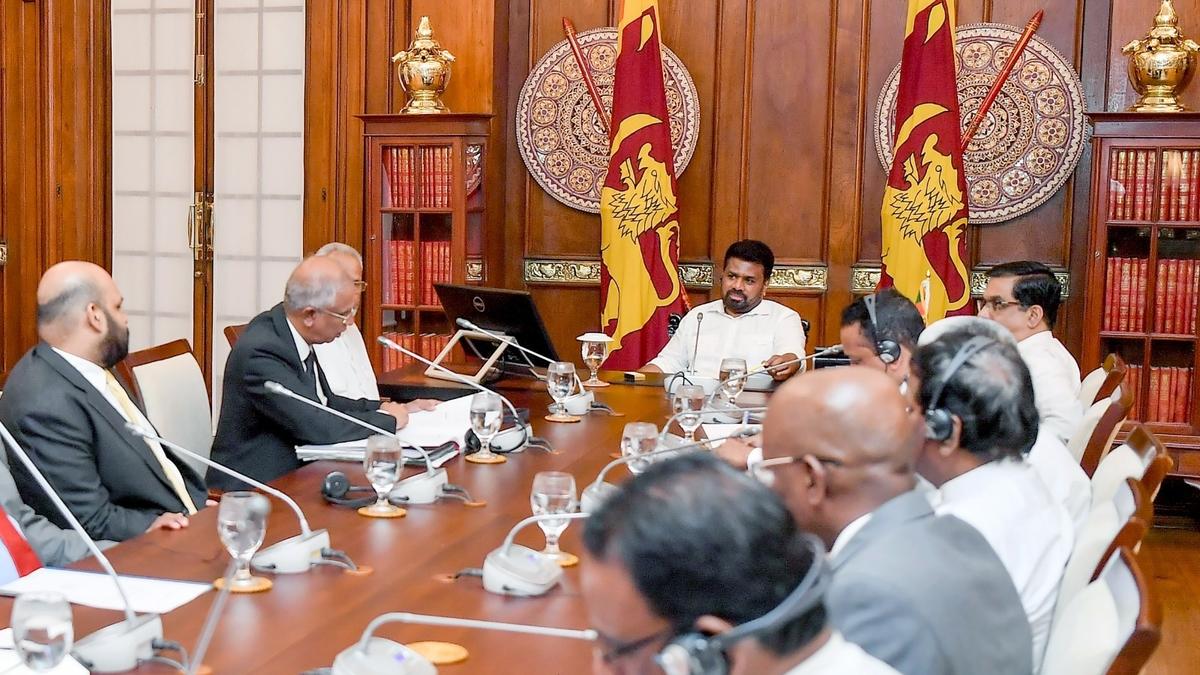
A Delicate Balance: Sri Lanka’s President Dissanayake Navigates Tamil Aspirations and National Unity
Sri Lanka finds itself at a pivotal moment. President Ranil Wickremesinghe’s successor, Anura Dissanayake, is attempting to forge a path toward lasting peace and reconciliation, particularly concerning the long-standing grievances of the Tamil community. Recent meetings between Dissanayake and representatives from the Illankai Tamil Arasu Kachchi (ITAK) signal a potential shift, but meaningful hurdles remain.
This article will delve into the complexities of this situation, examining the progress made, the challenges ahead, and what these developments mean for the future of Sri Lanka.
A New Approach, Rooted in Past Efforts
dissanayake, leading the National People’s Power (NPP) coalition, has pledged to revisit the stalled process of drafting a new Constitution. He wisely recognizes the value of building upon previous work, stating, “We don’t have to re-invent the wheel. We will build on that effort.” This pragmatic approach is a positive sign, suggesting a willingness to learn from past attempts at constitutional reform.
The ITAK representatives used their meeting to highlight existing proposals aimed at resolving the “Tamil national question” – the core issue fueling Sri lanka’s decades-long ethnic conflict, even 16 years after the end of the civil war.
Early Signs of Constructive Engagement
Initial reactions to the talks have been cautiously optimistic. Shanakiyan rasamanickam, a parliamentarian from Batticaloa, noted Dissanayake’s “vrey good understanding of Tamil aspirations.” He emphasized the need for a clear timeline and demonstrable confidence-building measures from the government.
Rasamanickam also pointed to a notable evolution within Dissanayake’s party, the Janatha Vimukthi Peramuna (JVP). The JVP has historically held different positions on economic policy and relations with India. Rasamanickam expressed hope that Dissanayake can successfully navigate a similar shift within his party regarding the Tamil question.
Navigating Immediate Tensions
These discussions unfold against a backdrop of ongoing tensions. A recent dispute in the Trincomalee district, involving the placement of a Buddha statue, reignited concerns among Tamils. They fear authorities are leveraging departments like archaeology and forestry to seize land and alter the demographic makeup of tamil areas.
Dissanayake addressed the situation in Parliament, characterizing those exploiting the incident as “opportunistic groups” attempting to revive ”old racist dramas.” However, the underlying legal issues remain unresolved, and the concerns of the Tamil community are very real.
A Path Forward: Balancing Rights and Reconciliation
ITAK representatives voiced their support for Dissanayake’s call to prevent the exploitation of tensions by extremist elements. However, they stressed that preventing racism cannot come at the expense of Tamil rights. substantive action from the government is crucial.
While the discussions were described as “having many positives,” Dissanayake did not commit to immediate action on either constitutional reform or the holding of Provincial Council elections. This hesitation is understandable, given the political sensitivities involved, but it underscores the need for continued pressure and constructive dialog.
Here’s what’s at stake, and what you should be watching for:
* Constitutional Reform: A new Constitution is seen as vital for addressing the root causes of the ethnic conflict and ensuring equitable power-sharing.
* Provincial Council Elections: Empowering Provincial Councils would allow for greater regional autonomy and responsiveness to local needs.
* Land Rights: Resolving land disputes and ensuring the security of land tenure for Tamil communities is paramount.
* Confidence-Building Measures: Concrete steps to address Tamil concerns, such as investigations into alleged land grabs and the release of political prisoners, are essential for building trust.
* Addressing Past Grievances: Acknowledging and addressing past injustices is crucial for genuine reconciliation.
The NPP’s Rise and its Implications
Dissanayake’s NPP achieved a surprising level of support from ethnic minorities in the recent parliamentary election. This suggests a growing desire for change and a willingness to consider alternatives to conventional political parties.
Though, maintaining this support will require Dissanayake to demonstrate a genuine commitment to addressing the concerns of all communities.
Looking Ahead
President
Keep reading