Potential Property Tax Overhaul: What Homeowners Need to Know
Teh UK housing market is once again under scrutiny, with potential shifts in how property is taxed gaining traction within government circles. Several think tanks are proposing alternatives to the current Council Tax system, sparking debate about fairness, economic impact, and the future of homeownership. Here’s a breakdown of the key proposals and what they could mean for you.
The Problem with Council Tax
Council Tax, established in 1993, is facing increasing criticism. Revenues are declining as a proportion of property values, creating funding gaps for local authorities. This has prompted exploration of more modern and possibly equitable systems.
Emerging Proposals: A Closer Look
Several options are being considered, each with its own implications:
1.The TBI (Tax Policy Institute) Report:
This report suggests a tiered system based on property value:
* Minimum Payment: £1,350 for properties under £270,000.
* Maximum Payment: £6,250 for properties exceeding £1.25 million.
* Impact: Approximately 4.1 million homeowners in larger, more valuable properties would likely see an increase in their annual property tax bill. Conversely, 12 million could experience a decrease.
* Rationale: The TBI argues this could incentivize downsizing among older homeowners in high-value properties, potentially freeing up housing stock.
2. The Onward Think Tank Proposal:
Onward proposes a proportional annual payment system applicable to properties valued up to £500,000. Here’s how it breaks down:
* £0 – £500,000: 0.44% annual charge.Minimum annual payment of £800.
* £500,000 – £1 million: 0.54% annual charge on the portion of value above £500,000.
* Above £1 million: 0.81% annual charge on the portion of value above £1 million.
* Financial Neutrality: Onward suggests this system could be revenue-neutral for the government. Exempting those who’ve already paid stamp Duty could initially create a deficit.
3.Abolishing Stamp Duty & Introducing a New Annual Tax:
Sources indicate the Treasury is exploring abolishing Stamp Duty altogether, replacing it with a new annual tax on more expensive properties.This is part of a broader reform of housing taxation. However, the timeline for implementation, particularly before the November 26th Budget, remains uncertain.
What Does This Mean for You?
The potential changes could significantly impact your household finances.
* Homeowners in Lower-Valued Properties: You could potentially see a reduction in your annual property tax burden under both the TBI and Onward proposals.
* Homeowners in Higher-Valued Properties: Expect to pay more. The extent of the increase will depend on the specific system adopted and the value of your home.
* Potential First-Time Buyers: Abolishing Stamp Duty could make getting on the property ladder more accessible, but the introduction of an annual property tax could offset those savings.
Beyond the Headlines: Other Considerations
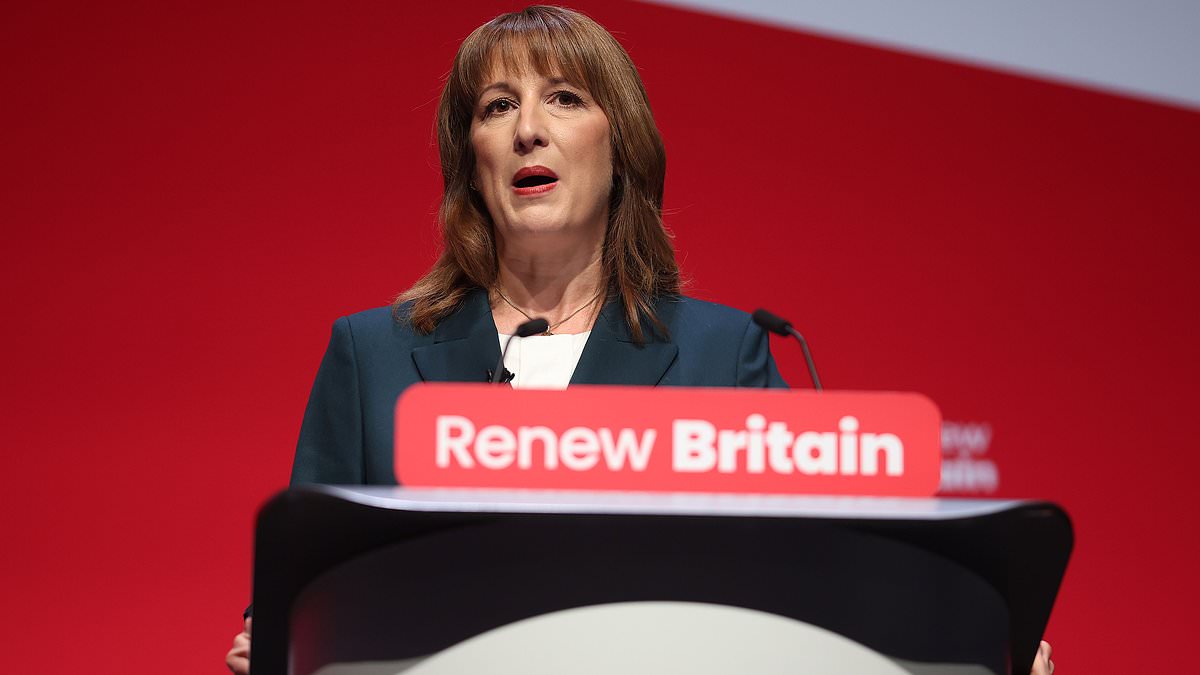
* Labour’s Previous Proposals: Shadow Chancellor Rachel Reeves previously discussed replacing council Tax with a “broad-based property tax,” but the idea was shelved. The current discussions suggest a renewed interest in this approach.
* Existing Banding systems: Some local authorities, like those in Wales, have already introduced additional Council Tax bands for the most expensive properties.
* Political Opposition: Conservative MP Harriet Baldwin has criticized the proposals as “growth-destroying” and indicative of a broader trend towards increased taxation.
The Road Ahead
The future of property taxation in the UK remains fluid. The government is weighing various options, considering economic impacts, and responding to political pressures. It’s crucial to stay informed about these developments, as they could have a considerable effect on your financial well-being.
Where to Find More Information:
* [Onward](https