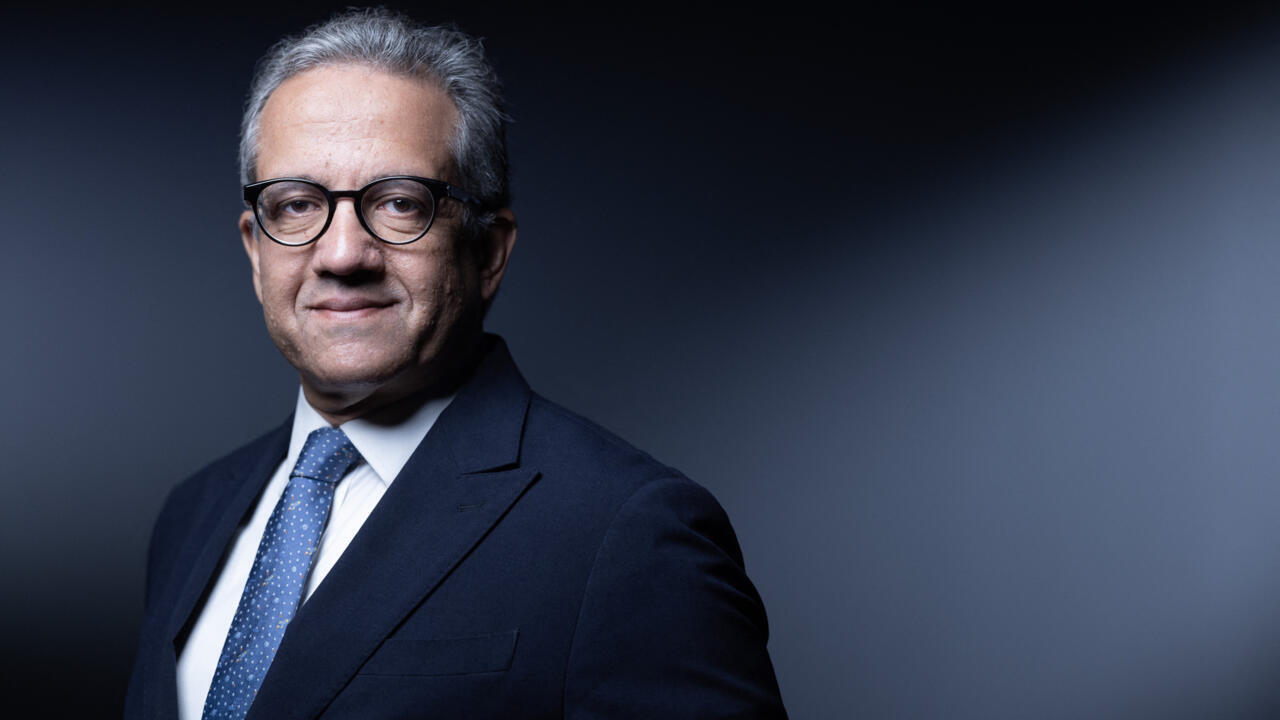
Egypt‘s Khaled El-Enany set to Lead UNESCO Amidst Challenges adn Change
A new era is dawning for the United nations Educational, Scientific and Cultural Institution (UNESCO). The organization’s executive board recently voted to appoint former Egyptian Minister of Antiquities and Tourism, Khaled El-Enany, as its next Director-General. This pivotal decision comes as UNESCO navigates accusations of bias and the significant impact of the United States’ planned withdrawal.
A Strong Mandate for el-Enany
El-Enany secured a resounding victory, garnering 55 out of 57 votes cast. This overwhelming support signals confidence in his leadership as UNESCO confronts a period of considerable transition. Vera Lacoeuilhe, the board’s chair, announced the outcome on Monday.
The appointment now requires ratification by UNESCO’s General Assembly, scheduled to meet in Uzbekistan on November 6th. Historically, the General Assembly has always affirmed the Executive Board’s recommendations, making El-Enany’s confirmation highly probable.
Facing a Complex Landscape
El-Enany, a 54-year-old Egyptologist, will succeed Audrey Azoulay, who completed two four-year terms. He steps into the role at a notably challenging time for UNESCO. The United States announced its intention to withdraw from the organization in June, citing concerns over bias toward Israel and the promotion of what it deems “divisive” causes.
This withdrawal, effective at the end of 2026, poses a substantial financial threat to UNESCO, as the U.S. contributes eight percent of its total budget. Nicaragua has also announced its departure, following UNESCO’s recognition of a Nicaraguan newspaper forced into exile with its annual press prize.
El-Enany’s Vision and Experience
Throughout his campaign,spanning over two and a half years and encompassing visits to 65 countries,El-Enany has articulated a clear vision for UNESCO’s future. He served as Egypt’s Minister of Antiquities from 2016 to 2022,later expanding his portfolio to include tourism.
If confirmed, El-Enany will be the first Director-General from an Arab country and the second from Africa, following Senegal’s Amadou Mahtar Mbow, who led the organization from 1974 to 1987.He has already expressed his commitment to addressing the concerns that led to the U.S. withdrawal and actively seeking to bring Washington back into the fold.
Key challenges Ahead:
* Financial Stability: Mitigating the impact of the U.S. and Nicaragua’s withdrawal will be paramount.
* Addressing Bias Concerns: Rebuilding trust and demonstrating impartiality will be crucial for maintaining international cooperation.
* Maintaining UNESCO’s Core Mission: Continuing to safeguard world heritage sites and promote education, science, and culture remains central.
* Navigating Geopolitical Tensions: UNESCO must operate effectively amidst complex global political dynamics.
A Historic Opportunity
El-Enany’s appointment represents a historic opportunity for both UNESCO and the Arab world. His extensive experience in cultural preservation and tourism, coupled with his demonstrated commitment to international engagement, positions him well to lead the organization through these turbulent times. You can expect a renewed focus on inclusivity and a proactive approach to addressing the challenges facing UNESCO as it strives to fulfill its vital mission on the global stage.
Related reading