
The venture capital landscape has long operated behind a veil of opaque performance metrics and anecdotal success stories. For decades, the industry has functioned on the “power law”—the widely accepted, if stark, reality that a tiny fraction of investments accounts for the vast majority of returns. In the startup ecosystem, it is often cited that roughly 5 percent of venture-backed companies generate 90 percent of the total value, leaving the remaining 95 percent to scramble for the scraps or face liquidation. Now, a prominent academic effort from Stanford University aims to bring much-needed quantitative rigor to this sector by attempting to rank global venture capital investors based on empirical performance data.
Ilya Strebulaev, a professor of finance at the Stanford Graduate School of Business and the founder of the Stanford Venture Capital Initiative, is spearheading this push for transparency. For years, Strebulaev has studied the mechanics of innovation finance, documenting how the Stanford Venture Capital Initiative uses proprietary data to analyze the performance of startups and their backers. By shifting the focus from reputation-based prestige to data-driven rankings, the initiative seeks to answer a fundamental question: which investors actually deliver consistent alpha and which are merely riding the wave of market trends?
This initiative arrives at a critical juncture for the tech industry. As global interest rates have fluctuated and the era of “easy money” has receded, limited partners (LPs)—the institutional investors who fund venture firms—are increasingly demanding accountability. The move to rank global VC investors is not merely an academic exercise; it is a signal that the “black box” of private equity and venture capital is being forced open by the tools of modern data science.
The Power Law and the Quest for Transparency
The “power law” is more than just a theory in Silicon Valley; it is the mathematical foundation of the venture model. Investors accept that most of their bets will fail, provided that at least one becomes a “unicorn” or a “decacorn” capable of returning the entire fund. According to research published by the National Bureau of Economic Research, the distribution of returns in venture capital is highly skewed, making the selection of the right general partner (GP) the single most important decision for institutional portfolios.

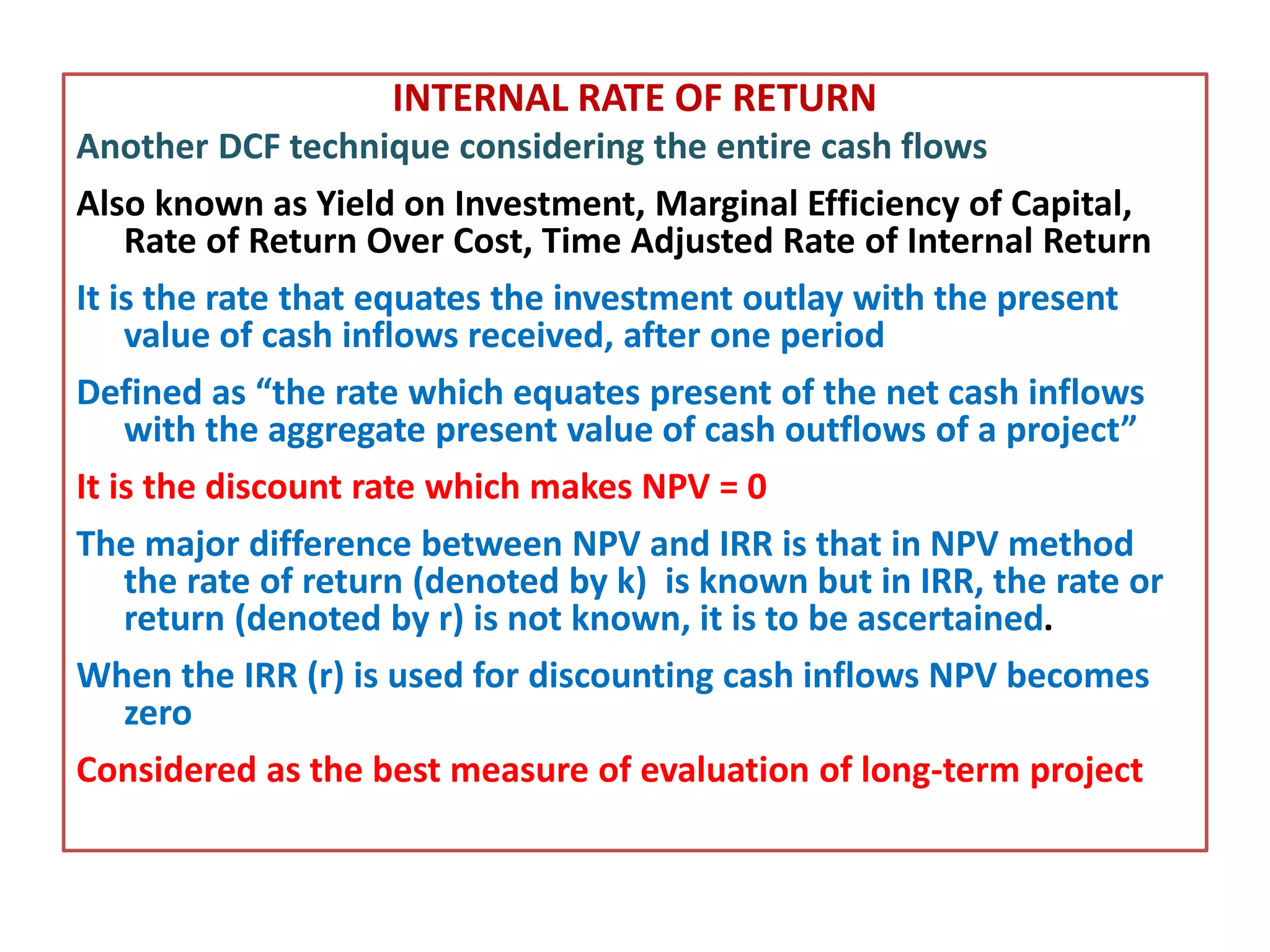
Historically, ranking these firms has been difficult due to the lack of public disclosure requirements. Unlike public equity markets, where quarterly reports and audited financials are mandatory, venture capital firms operate in relative secrecy. Strebulaev’s methodology aims to bypass these limitations by leveraging large-scale datasets that track historical funding rounds, exit valuations, and survival rates across thousands of companies. This comprehensive approach allows for a more nuanced look at performance, moving beyond the simple “Internal Rate of Return” (IRR) that firms often use in marketing materials.
By analyzing the data, researchers can identify “serial winners”—firms that consistently demonstrate the ability to pick winners across different economic cycles. This is particularly important for global investors, who often struggle to differentiate between top-tier firms and those that simply benefited from a lucky market environment in high-growth years like 2021.
Why Institutional Investors Are Demanding Better Metrics
The pressure for standardized ranking is coming from the top down. Large pension funds, university endowments, and sovereign wealth funds are the primary fuel for the venture engine. For these entities, the ability to benchmark performance is not just a preference; it is a fiduciary duty. As reported by Reuters, institutional investors are increasingly questioning the high management fees associated with private markets, especially when performance transparency remains elusive.
Strebulaev’s work provides a framework that could eventually lead to a standardized “scorecard” for the industry. If successful, this could change how capital is allocated globally. Firms that fail to perform consistently against their peers may find it harder to raise subsequent funds, while smaller, data-backed firms that have been overlooked by traditional gatekeepers might finally attract the institutional capital they deserve.
However, the transition to a data-first industry is not without its critics. Some within the venture capital community argue that the “art” of investing—identifying founders with vision before they have any traction—cannot be captured by algorithms. They contend that ranking firms based on past performance ignores the qualitative impact of mentorship, network effects, and strategic guidance that top-tier VCs provide to their portfolio companies.
What This Means for the Future of Tech Investment
For founders and entrepreneurs, the potential ranking of venture firms represents a shift in power dynamics. When investors are ranked, they are incentivized to prove their value-add to startups, not just their ability to write checks. This could lead to a more competitive market where firms must differentiate themselves through expertise and support systems rather than just brand name recognition.
the data-driven approach could help democratize access to capital. If empirical evidence shows that certain types of investors—perhaps those focused on specific geographic regions or underrepresented founder demographics—are performing better than the status quo, it could force a re-evaluation of systemic biases in the industry. As the U.S. Securities and Exchange Commission (SEC) continues to push for increased transparency in private fund reporting, the academic work being done at institutions like Stanford aligns with a broader regulatory trend toward openness.

The next phase for these rankings will involve refining the data models to account for the “vintage year” effect—the idea that the timing of a fund’s launch has a massive impact on its ultimate performance. Stanford’s team is expected to release updated insights and methodology refinements in the coming months as they continue to aggregate data from global markets. Investors and founders alike should watch for these updates, as they will likely set the standard for how the industry measures success in the decade to come.
Key Takeaways
- Data Over Anecdote: The initiative aims to replace reputation-based prestige with empirical performance metrics.
- Fiduciary Responsibility: Institutional investors are pushing for greater transparency to justify capital allocations in private markets.
- Market Efficiency: Standardized rankings could lead to more efficient capital flow, favoring firms that deliver consistent alpha.
- Regulatory Alignment: The effort mirrors broader global trends toward stricter disclosure requirements for private investment vehicles.
As the venture capital industry moves toward a more transparent future, the Stanford Venture Capital Initiative remains a focal point for those looking to understand the underlying mechanics of innovation finance. For those interested in tracking these developments, the Stanford Graduate School of Business provides periodic updates on their research findings and methodology. I encourage you to share your thoughts on whether you believe data-driven rankings will truly change the venture capital landscape in the comments section below.
Keep reading