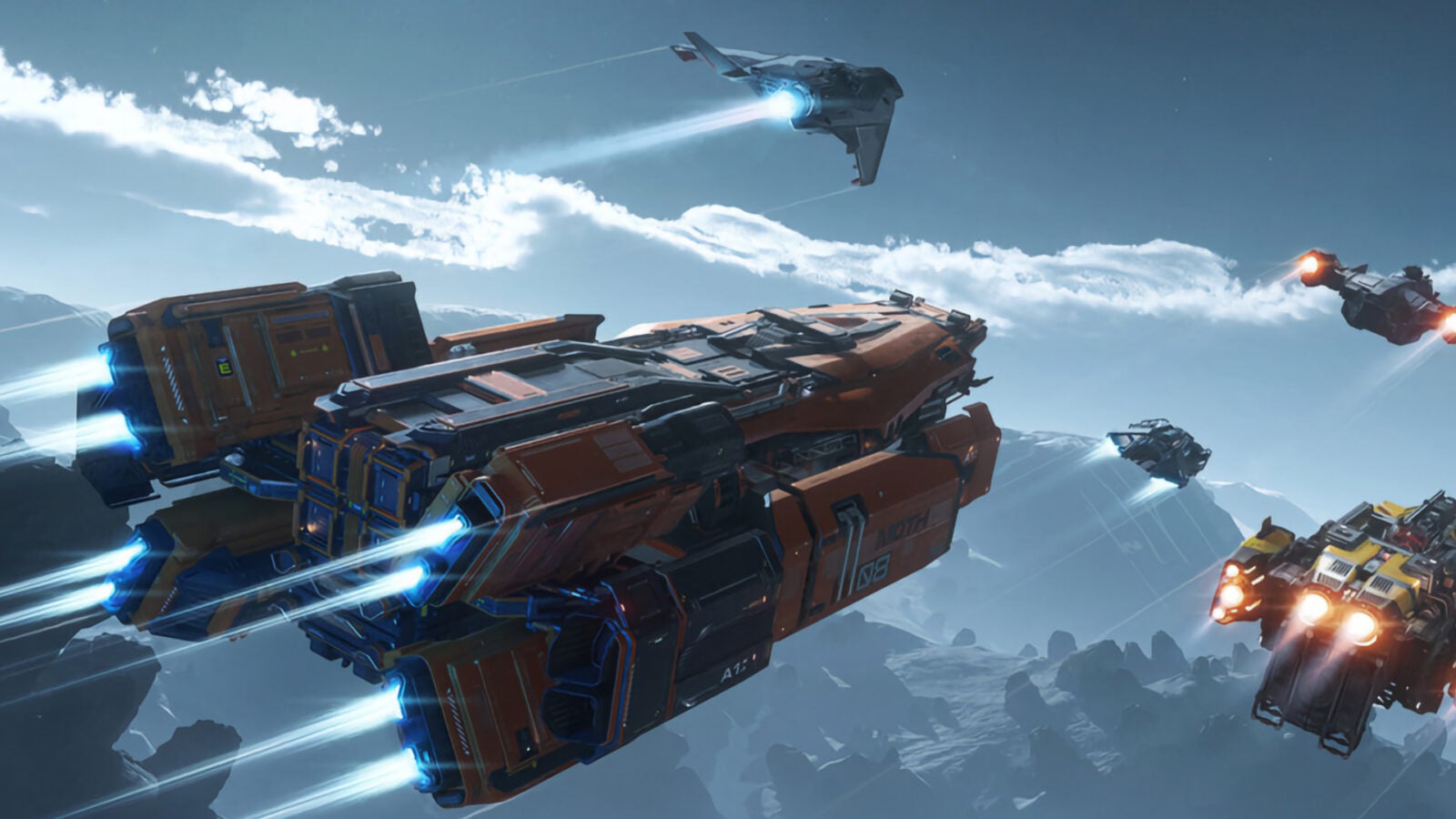
Few projects in gaming history have matched the scale—or the controversy—of Star Citizen. Now in its 14th year of development, the space simulation game has shattered crowdfunding records, amassing over $1 billion from backers worldwide. Yet despite its staggering financial success, the game remains unreleased, sparking debates about transparency, development timelines, and the future of crowdfunded projects in an industry where patience is often tested to its limits.
The latest milestone—crossing the $1 billion threshold—underscores both the ambition of Star Citizen and the challenges of delivering a project of its magnitude. Created by Robert Briscoe, the game blends hardcore flight simulation with expansive sandbox elements, all built on the CIG (Cloud Imperium Games) engine. Its development has been marked by frequent delays, shifting feature sets, and a virtual economy that has become a topic of discussion among backers and industry observers alike.
For players who have backed the project since its early days, the wait has been a mix of anticipation and frustration. The game’s alpha phases have offered glimpses of its potential, but the lack of a definitive release date continues to fuel speculation. Meanwhile, the game’s virtual economy—where players can buy and sell in-game assets like ships and real estate—has become a self-sustaining ecosystem, raising questions about its long-term viability and whether Star Citizen will ever deliver on its promises.
The $1 Billion Crowdfunding Milestone
Star Citizen’s funding model is unique in the gaming industry. Unlike traditional triple-A titles financed by publishers, Star Citizen relies entirely on pre-orders and in-game purchases from its community. This approach has allowed it to accumulate $1.02 billion as of May 2026, according to data from Cloud Imperium Games. The milestone was achieved through a combination of pre-orders, expansion packs, and microtransactions within the game’s virtual economy.
The game’s crowdfunding success is a testament to its dedicated fanbase, which has grown alongside its development. Early backers who contributed as little as $50 have seen their investments compound over the years, with some players treating their purchases as long-term investments. The game’s virtual economy, which includes player-driven markets for ships, modules, and even real estate, has become a microcosm of supply and demand, with some rare items fetching thousands of dollars in real-world value.
However, the lack of a clear release date has led to criticism. While Briscoe and the CIG team have emphasized the game’s scope—comparing it to a “living world” that will evolve over time—some backers argue that the project has become a victim of its own ambition. The game’s alpha phases, which began in 2012, have provided incremental updates, but the absence of a final release has left many wondering if Star Citizen will ever reach completion.
Why Has Development Taken So Long?
The timeline for Star Citizen reflects the challenges of building a game that blends simulation, sandbox exploration, and multiplayer elements. Unlike traditional games with fixed release windows, Star Citizen is designed to be an ongoing experience, with new content and updates planned for years to come. This approach has led to delays, as the development team prioritizes quality over rigid deadlines.

Briscoe has repeatedly stated that the game’s development is a marathon, not a sprint. In interviews, he has compared the project to building a city, where each feature—from flight physics to NPC interactions—requires meticulous attention to detail. The game’s engine, developed in-house, is also a significant factor in its delays. The CIG team has had to innovate solutions for challenges like physics, AI, and procedural generation, which have required years of refinement.
the game’s scope has expanded over time. Features that were once considered “stretch goals” have become core elements of the final product. For example, the Anvil Odin, a massive capital ship announced in 2025, was initially teased as a premium upgrade but has since been integrated into the game’s lore and economy. The ship, priced at $5,000, is just one example of how Star Citizen‘s virtual economy continues to evolve alongside its development.
The Virtual Economy: A Double-Edged Sword
One of Star Citizen‘s most unique—and controversial—aspects is its virtual economy. Players can buy, sell, and trade in-game assets, creating a secondary market that operates independently of CIG’s control. Some items, such as limited-edition ships or rare modules, have appreciated in value over time, turning Star Citizen into a speculative investment for some backers.
However, this economy is not without risks. The lack of a final release date means that the value of these assets is tied to an uncertain future. While some players treat their purchases as long-term holds, others have sold their items for a profit, creating a dynamic market that mirrors real-world trading. CIG has attempted to stabilize the economy through measures like “market corrections,” but these actions have sometimes sparked backlash from players who see them as interference.
For example, the introduction of the Anvil Odin has had ripple effects across the game’s economy. The ship’s high price point and limited availability have made it a status symbol among players, but it has also raised questions about whether CIG is prioritizing revenue over gameplay balance. The debate highlights the tension between commercial success and player satisfaction in crowdfunded projects.
What’s Next for Star Citizen?
As of May 2026, Star Citizen remains in its alpha phase, with no official release date announced. Briscoe has suggested that the game will eventually transition to a “beta” phase, followed by a full launch, but the timeline remains fluid. The development team continues to add content, with updates focusing on new ships, missions, and systems.
In recent months, CIG has emphasized transparency, releasing more detailed roadmaps and development updates. However, the lack of a fixed release date continues to frustrate some backers, particularly those who have waited over a decade for the game to reach completion. The company has also faced scrutiny over its handling of player feedback, with some arguing that the development process lacks the community-driven iteration seen in other crowdfunded projects.
Despite these challenges, Star Citizen remains a cultural phenomenon in the gaming world. Its success has inspired other crowdfunded projects, while its delays serve as a cautionary tale about the risks of overpromising in an industry where patience is often rewarded. For now, the game’s future hinges on whether CIG can balance its ambitious vision with the expectations of its backers.
Key Takeaways
- $1.02 billion raised from backers, making it one of the most successfully crowdfunded games in history.
- Development began in 2012, with no official release date announced as of May 2026.
- The game’s virtual economy includes player-driven markets for ships, modules, and real estate.
- Recent additions like the Anvil Odin ($5,000 ship) highlight the game’s evolving scope and economy.
- Transparency and player communication remain ongoing concerns for the project.
Where to Follow Updates
For the latest news on Star Citizen, players can follow official channels:

- Cloud Imperium Games (CIG) Official Site
- Reddit Community (r/StarCitizen)
- Star Citizen YouTube Channel
The next major checkpoint for Star Citizen will likely be the release of additional alpha content, including new missions and systems. While Briscoe has hinted at a potential beta phase in the coming years, the exact timeline remains unclear. Until then, the game’s community continues to speculate, trade, and wait for the day when Star Citizen finally takes off.
What do you think about Star Citizen‘s development journey? Share your thoughts in the comments below, or join the discussion on our social media channels.
Keep reading