The 2025 ”christmas Star”: why Jupiter Will Dominate December Nights
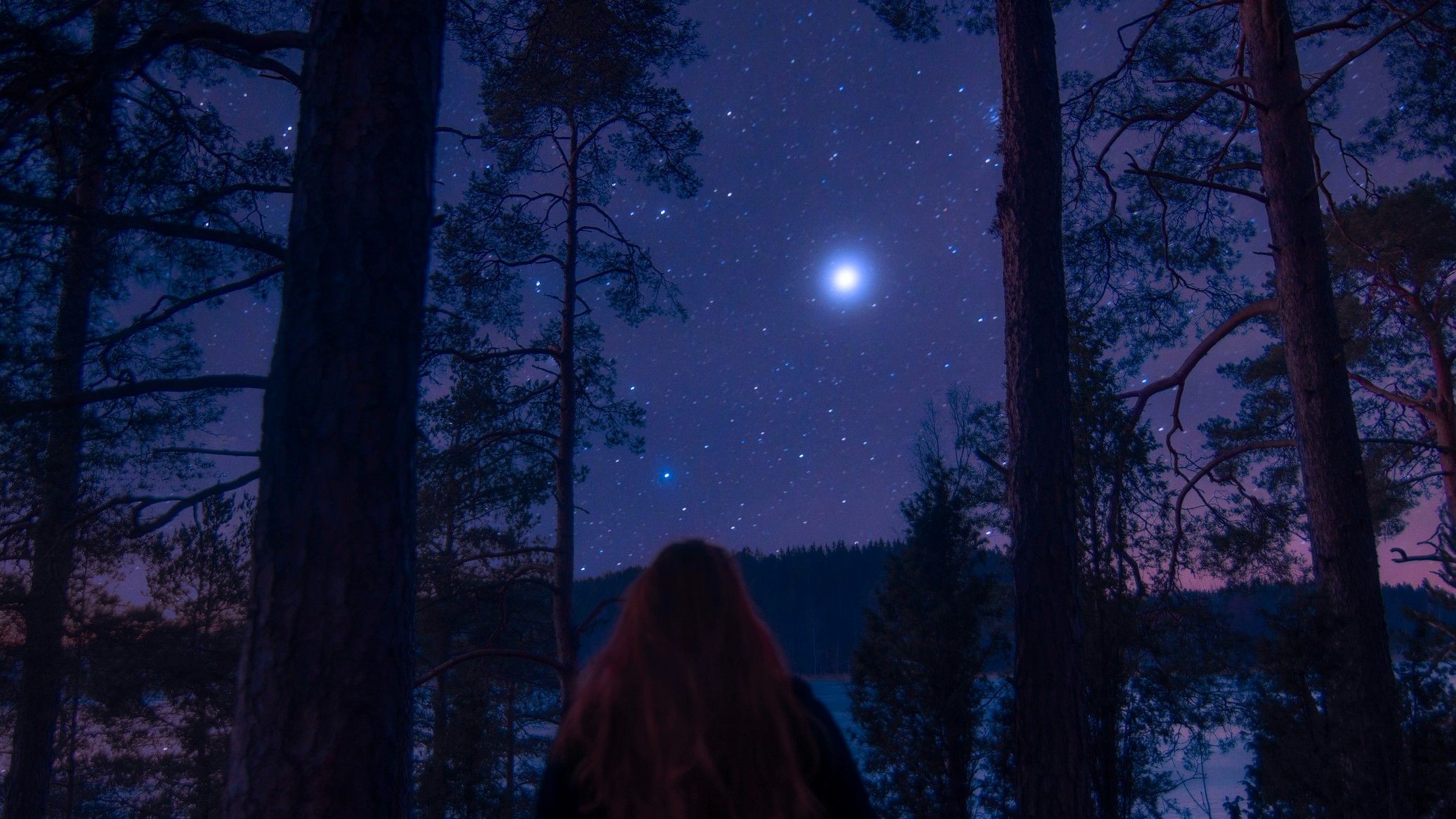
As December unfolds, keep your gaze eastward after dark. While the celestial calendar lacks dramatic events like comets or supernovas this year, a brilliant beacon will grace our night sky: jupiter. This isn’t just any planetary sighting; it’s a prelude to a stunning showing, earning it the nickname “Christmas Star.”
What Makes This Jupiter Viewing Special?
typically, December doesn’t offer particularly striking astronomical events. However, this year is different.Jupiter is steadily rising in prominence, becoming visible shortly after sunset and dominating the night sky for hours. This is due to a phenomenon called opposition, which we’ll explore shortly.
Understanding Planetary Opposition
Planetary opposition occurs when Earth passes between an outer planet (like Jupiter, Mars, or Saturn) and the Sun. This alignment has several key effects:
* Brightness: the planet appears considerably brighter as it’s fully illuminated from our outlook.
* Closeness: It’s at its closest approach to Earth, enhancing its visibility.
* Visibility: The planet rises in the east at sunset, reaches its peak around midnight, and sets in the west at sunrise – making it visible throughout the entire night.
Jupiter reaches opposition on January 10, 2026, but the effects are already noticeable in December 2025. Currently, it’s rising roughly two hours after sunset. Because of the early sunsets in the Northern Hemisphere during December, this means you’ll have ample chance to observe it.
A Recurring Celestial Event – But Still Special
You might wonder if a bright Jupiter is unusual. Jupiter reaches opposition approximately every 13 months. This is as Jupiter takes nearly 12 Earth years to orbit the sun, and Earth “catches up” to it for alignment roughly once a year. As Sky & Telescope explains, Jupiter completes about one-twelfth of its orbit each earth year, leading to this consistent 13-month cycle.
However, each opposition is unique. Jupiter is steadily growing brighter as it approaches its 2026 opposition.
* Early December 2025: Shining at a magnitude of -2.4.
* End of 2025: Expected to reach an even brighter magnitude of -2.5.
(Remember, in astronomy, lower magnitudes indicate brighter objects. negative magnitudes signify exceptionally bright celestial bodies.)
The “Star of Bethlehem” Connection
Throughout history, people have sought astronomical explanations for the Star of Bethlehem, the celestial event described in the Nativity story. While a direct link to Jupiter is unlikely – given its regular oppositions – its brilliance in December 2025 certainly evokes the image of a prominent, guiding star.
Whether Jupiter was the original Star of Bethlehem remains a mystery. But its upcoming display offers a gorgeous and inspiring sight, a worthy stand-in for a celestial wonder.
how to Observe Jupiter:
You won’t need any special equipment to enjoy this spectacle. Jupiter will be easily visible to the naked eye as a bright, steady point of light in the eastern sky.
* Timing: Look after 8 p.m. local time.
* Location: Focus on the eastern horizon.
* Enhancement: Binoculars can reveal Jupiter’s four largest moons (io, Europa, Ganymede, and callisto) as tiny points of light surrounding the planet.
don’t miss this opportunity to witness the grandeur of our solar system. The “Christmas Star” of 2025 promises a dazzling display, reminding us of the wonders that lie beyond our world.