
The Ballroom and Beyond: How Dance Competitions Spark Relationship Scrutiny
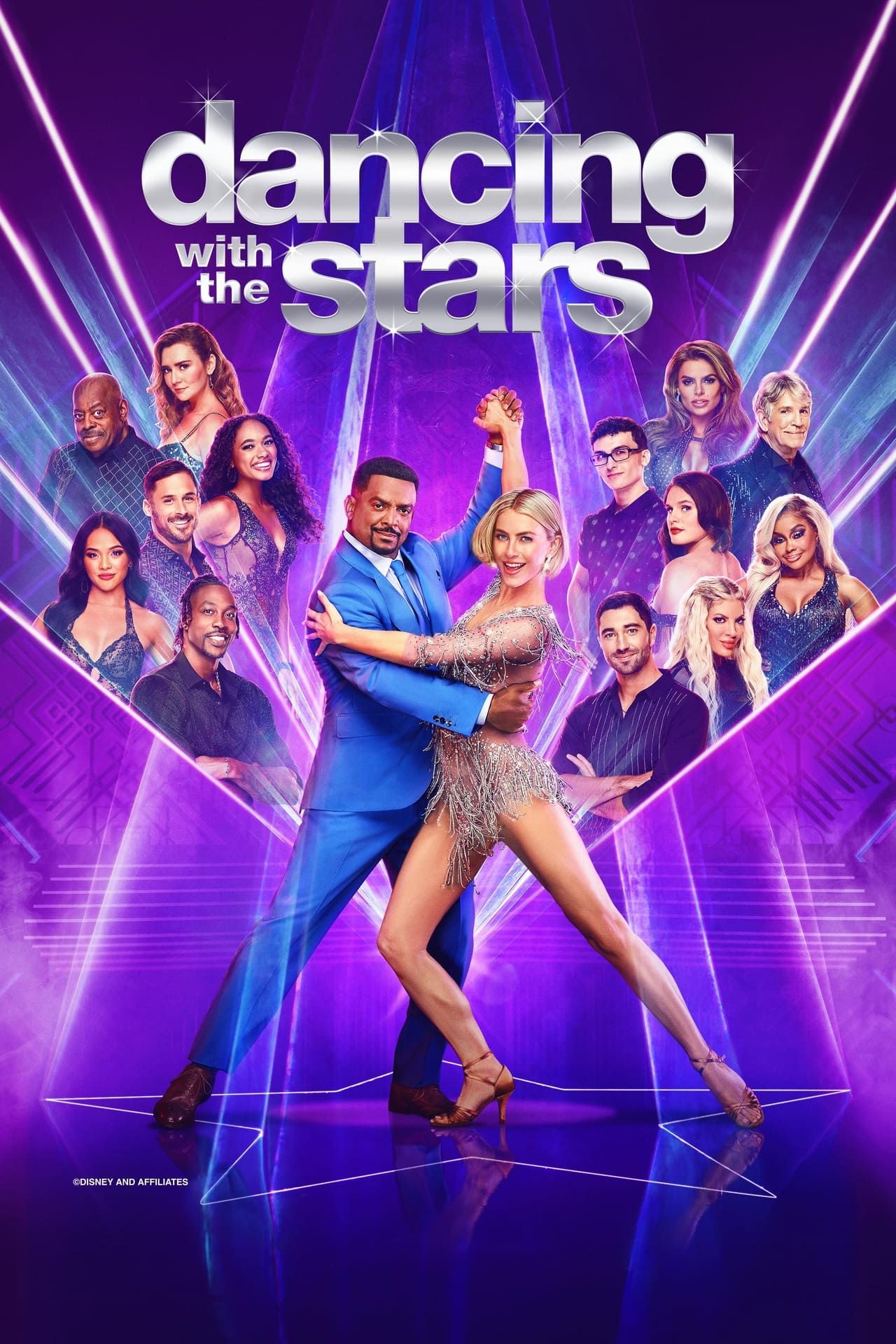
The allure of the ballroom, the intensity of competition, and the close physical proximity inherent in partner dancing have long fueled speculation about romance among contestants on shows like “Dancing with the Stars.” Although often dismissed as “showmances,” these connections can ripple beyond the dance floor, impacting existing relationships and sparking public debate. Recent events involving professional dancers and celebrities alike demonstrate that the lines between performance and personal life can become blurred, leading to both heartwarming unions and complex personal challenges. The phenomenon isn’t limited to the United States; similar discussions are unfolding internationally, as evidenced by recent coverage in Slovak media regarding the impact of the reveal *StarDance* on relationships.
The dynamic of intense training and emotional vulnerability within these competitions creates a unique environment where bonds can form quickly. Partners spend countless hours together, relying on each other for support and encouragement. This intimacy, coupled with the adrenaline of performance, can easily be misinterpreted or, in some cases, evolve into genuine affection. The public fascination with these relationships stems from a desire to witness authentic human connection, but it also raises questions about fidelity, trust, and the pressures of fame.
The scrutiny surrounding these relationships is often amplified by social media, where every interaction is dissected and analyzed. Flirtatious comments, lingering glances, and even seemingly innocent gestures can quickly become fodder for gossip and speculation. This constant public attention can set a significant strain on both the contestants involved and their existing partners, leading to jealousy, insecurity, and relationship breakdowns. The impact extends beyond the individuals directly involved, often captivating audiences and generating widespread media coverage.
Recent Developments in Professional and Celebrity Partnerships
Several high-profile relationships have emerged from the world of competitive dance in recent years. In April 2025, Emma Slater and Alan Bersten, both professional dancers on “Dancing with the Stars,” confirmed months of romance rumors with a kiss onstage during the final night of the show’s 2025 tour. A fan’s video of the kiss quickly went viral, with colleague Ezra Sosa commenting “FINALLY” in response, signaling the relationship had been an open secret within the show’s inner circle. This confirmation followed a period of speculation fueled by their chemistry on and off the dance floor.

Another recent pairing involved Gleb Savchenko and Brooks Nader, who dated for approximately seven months between 2024 and spring 2025 after being partnered on season 33 of “Dancing with the Stars.” Their relationship, described as a “real deal” romance, demonstrates the potential for genuine connections to blossom during the competition. Still, not all showmances translate into lasting relationships. Gabby Windey and Vinny Guadagnino, who sparked dating rumors during season 31 of the show, ultimately did not pursue a romantic relationship. Windey subsequently married comedian and TV writer Robby Hoffman in January 2025, after initially forming a friendship with Guadagnino during the competition.
Similarly, Britt Stewart and Daniel Durant confirmed their romance in February 2023, months after placing fifth in season 31. Their connection deepened after the show, leading to an engagement in December 2023 and a wedding in August 2025, attended by several “Dancing with the Stars” professionals. These examples illustrate the diverse outcomes of relationships forged within the competitive dance environment – from fleeting flirtations to enduring partnerships.
The Impact on Existing Relationships: Jealousy and Trust
The close partnerships required in dance competitions can inevitably lead to feelings of jealousy and insecurity among existing partners. The intimate nature of the training process, which often involves physical touch and emotional vulnerability, can be particularly challenging. The constant public attention and speculation surrounding the contestants only exacerbate these feelings. The situation is further complicated by the fact that dance partners often portray romantic roles during their performances, blurring the lines between reality and fiction.
The case of *StarDance*, as reported in Slovak media, highlights these challenges. While specific details regarding the couples involved were not available, the coverage indicates that the show has sparked discussions about the potential for infidelity and the strain placed on existing relationships. The article suggests that the intense emotional connection between dance partners can create a sense of distance between contestants and their spouses, leading to feelings of isolation and resentment. This dynamic is not unique to *StarDance*; it is a recurring theme in reality television shows that involve close physical and emotional interaction between participants.
Maintaining trust is paramount in navigating these challenges. Open communication, mutual respect, and a willingness to address concerns are essential for couples to weather the storm. Some couples may choose to establish clear boundaries and expectations before or during the competition, while others may rely on their existing foundation of trust to navigate the complexities of the situation. However, even the strongest relationships can be tested by the pressures of fame and the allure of a new connection.
The Psychology of Attraction and the “Intimacy Hypothesis”
The phenomenon of romantic connections forming during dance competitions can be explained, in part, by psychological principles related to attraction and intimacy. The “intimacy hypothesis” suggests that proximity, similarity, and shared experiences increase the likelihood of attraction. Dance partners spend a significant amount of time together, share a common goal, and often develop a deep understanding of each other’s strengths and weaknesses. This shared experience fosters a sense of intimacy and connection, which can easily be misinterpreted as romantic interest.
the physical contact inherent in partner dancing releases endorphins, which are neurochemicals associated with pleasure and bonding. These endorphins can create a sense of euphoria and enhance feelings of attraction. The adrenaline rush of performance also plays a role, heightening emotions and increasing vulnerability. These physiological and psychological factors combine to create a potent cocktail that can facilitate the formation of romantic connections.
It’s important to note that not all connections formed during dance competitions are romantic in nature. Many contestants develop strong friendships and supportive relationships with their partners. However, the unique circumstances of the competition – the intense training, the emotional vulnerability, and the constant public scrutiny – create an environment where romantic feelings can easily emerge. Understanding these psychological factors can help both contestants and viewers navigate the complexities of these relationships with greater empathy and insight.
Navigating the Future: Transparency and Boundaries
As dance competitions continue to captivate audiences worldwide, the issue of relationships between contestants will likely remain a topic of public fascination. Moving forward, transparency and clear boundaries will be crucial for navigating these challenges. Contestants should be encouraged to openly communicate with their partners about their feelings and expectations, and to prioritize the health and well-being of their existing relationships.
Production companies also have a responsibility to create a supportive environment that minimizes the potential for conflict and encourages responsible behavior. This could involve providing counseling services to contestants and their partners, establishing clear guidelines regarding appropriate conduct, and avoiding sensationalizing romantic relationships for entertainment value. The goal should be to foster a culture of respect and integrity, both on and off the dance floor.
The ongoing discussions surrounding relationships on shows like *StarDance* and “Dancing with the Stars” serve as a reminder that the human heart is often unpredictable. While the allure of the ballroom may spark romance, it is ultimately the choices individuals make – and the boundaries they establish – that determine the outcome of these connections. The next step in this ongoing narrative will be to observe how future seasons of these shows address the complexities of relationships and prioritize the well-being of all involved. We invite readers to share their thoughts and experiences in the comments below.
Worth a look