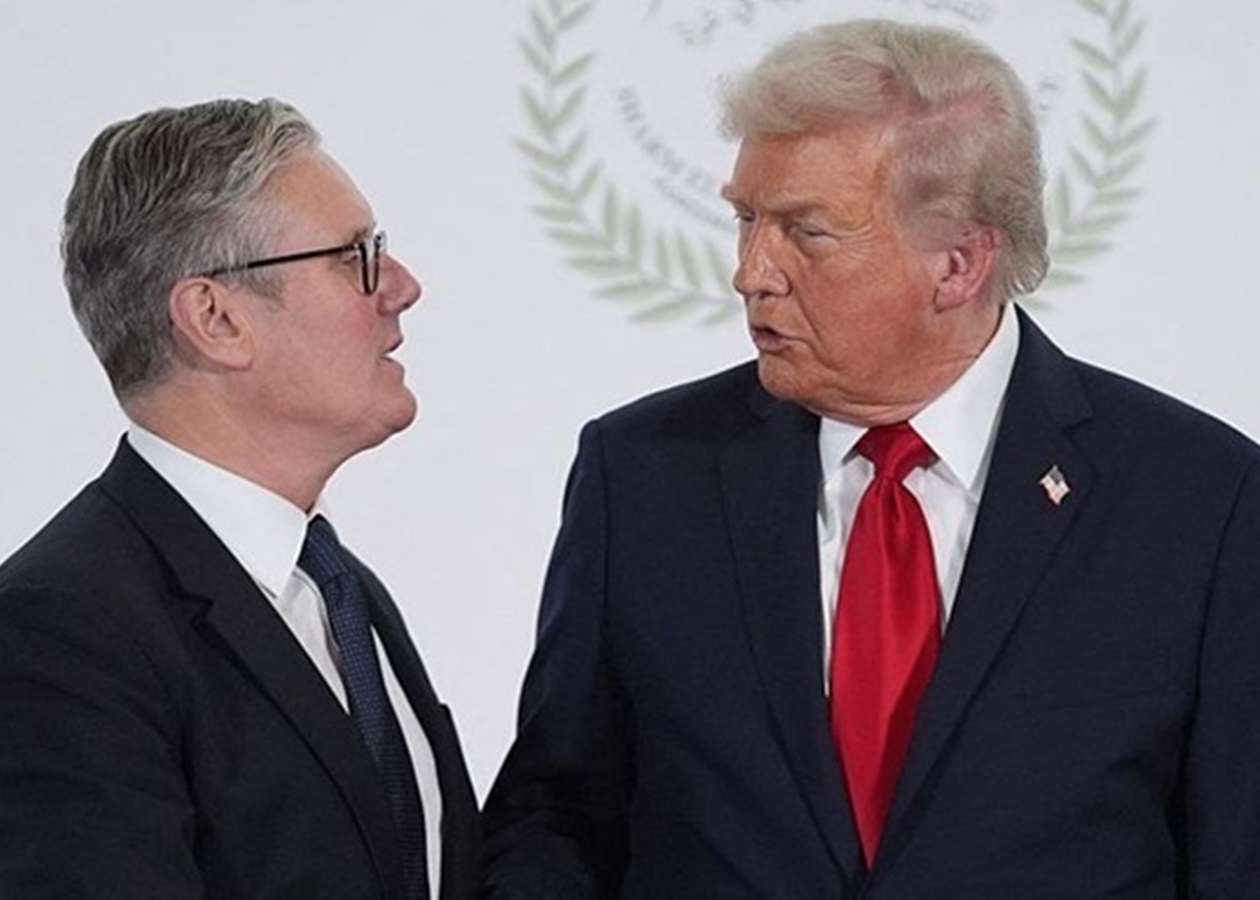
The relationship between the United States and the United Kingdom faced a moment of public strain this weekend, as President Donald Trump sharply criticized British Prime Minister Kier Starmer’s approach to international security. The exchange followed Trump’s assertion that the UK’s potential involvement in addressing escalating tensions with Iran was unnecessary, sparking a diplomatic response from Downing Street and a subsequent phone call between the two leaders on Sunday, March 8th. This incident underscores the evolving dynamics of transatlantic alliances in a rapidly changing geopolitical landscape.
The initial friction arose from comments made by Trump on March 7th, where he suggested the United States and Israel were nearing a resolution to conflicts involving Iran, rendering further assistance from allies like the UK superfluous. “The U.S. And Israel have almost finished winning the war with Iran,” Trump reportedly stated, adding, “We don’t need people joining wars after we’ve already won!” This rhetoric, as reported by multiple news outlets, including 7 Kanal, prompted a swift reaction from Starmer and his government. The remarks were also reportedly made during a private dinner, where Trump allegedly referred to Starmer as a “loser,” according to The Telegraph, as cited in various reports.
Diplomatic Response and Bilateral Talks
In response to Trump’s criticisms, Prime Minister Starmer engaged in direct communication with the U.S. President on Sunday. According to a statement released by the British government, the conversation focused on the “latest situation in the Middle East and military cooperation between the UK and US through the apply of UK air bases to support collective self-defense of partners in the region.” Eurointegration.com.ua reports that Starmer also extended condolences to Trump and the American people following the recent deaths of six U.S. Service members. The Guardian also reported on the conversation, noting the leaders expressed a willingness to continue dialogue in future meetings.
The timing of the phone call coincides with a significant deployment of U.S. Military assets to the UK. Four B-1 Lancer bombers arrived at Royal Air Force Fairford in Gloucestershire on Friday and Saturday, March 6th and 7th, respectively. The UK Ministry of Defence confirmed the deployment is linked to “special defensive operations” aimed at deterring Iran from launching missile attacks. This move demonstrates a continued level of military cooperation between the two nations, despite the recent public disagreement. The use of RAF bases for supporting collective self-defense highlights the ongoing strategic importance of the UK to U.S. Security interests in the region.
Underlying Tensions and Shifting Alliances
The public spat between Trump and Starmer reflects a broader trend of strained relations between the U.S. And some of its traditional allies under the current administration. Trump’s “America First” foreign policy has often prioritized bilateral deals and questioned the value of long-standing multilateral alliances. This approach has led to friction with European partners on issues ranging from trade and defense spending to climate change and the Iran nuclear deal. The current situation with Iran appears to be another flashpoint in this evolving dynamic.
The core of the disagreement appears to center on differing assessments of the threat posed by Iran and the appropriate response. While the Trump administration has adopted a hard-line stance towards Tehran, advocating for maximum pressure and a willingness to use military force, the UK has generally favored a more diplomatic approach, emphasizing the importance of de-escalation and adherence to international agreements. Starmer’s government has signaled its commitment to working with allies to address regional instability, but also stressed the need for a comprehensive and sustainable solution.
The Role of UK Military Assets in the Region
The potential deployment of British aircraft carriers to the Middle East, which reportedly prompted Trump’s initial criticism, underscores the UK’s commitment to regional security. While the specifics of any such deployment remain unclear, it would likely involve vessels from the Royal Navy’s Queen Elizabeth-class aircraft carrier strike group. These carriers are capable of projecting significant military power and could play a role in deterring Iranian aggression, protecting shipping lanes, and supporting counter-terrorism operations. The UK’s military presence in the region is also linked to its obligations to international partners and its commitment to upholding maritime security.
Still, Trump’s suggestion that the UK’s assistance is no longer needed raises questions about the future of the transatlantic alliance. His comments could be interpreted as a deliberate attempt to undermine Starmer’s leadership and pressure the UK to align more closely with U.S. Policy. Alternatively, they could reflect a genuine belief that the U.S. Is capable of handling the situation in Iran without significant external assistance. Regardless of the motivation, Trump’s rhetoric has undoubtedly created a sense of uncertainty and unease within the UK government.
Looking Ahead: Continued Dialogue and Regional Stability
The phone call between Starmer and Trump represents a crucial step towards de-escalating tensions and reaffirming the importance of the U.S.-UK relationship. While disagreements may persist, the willingness of both leaders to engage in direct dialogue suggests a desire to find common ground and avoid a further deterioration in relations. The focus on military cooperation and collective self-defense indicates a shared commitment to addressing regional security challenges, even if approaches differ.
The situation remains fluid and unpredictable. The deployment of U.S. Bombers to the UK and the potential for a British naval deployment to the Middle East underscore the heightened level of alert in the region. The coming weeks will be critical in determining whether the U.S. And its allies can successfully deter Iranian aggression and prevent a wider conflict. Continued diplomatic engagement, coupled with a robust military posture, will be essential to achieving this goal. The outcome will have significant implications for regional stability and the future of transatlantic alliances.
The next key development to watch will be any further statements from either the U.S. Or UK governments regarding specific plans for military deployments or diplomatic initiatives in the Middle East. Readers can stay informed through official government websites and reputable news organizations like The Guardian and Reuters.
What are your thoughts on the evolving relationship between the US and the UK? Share your comments below and let us know what you think.
Worth a look