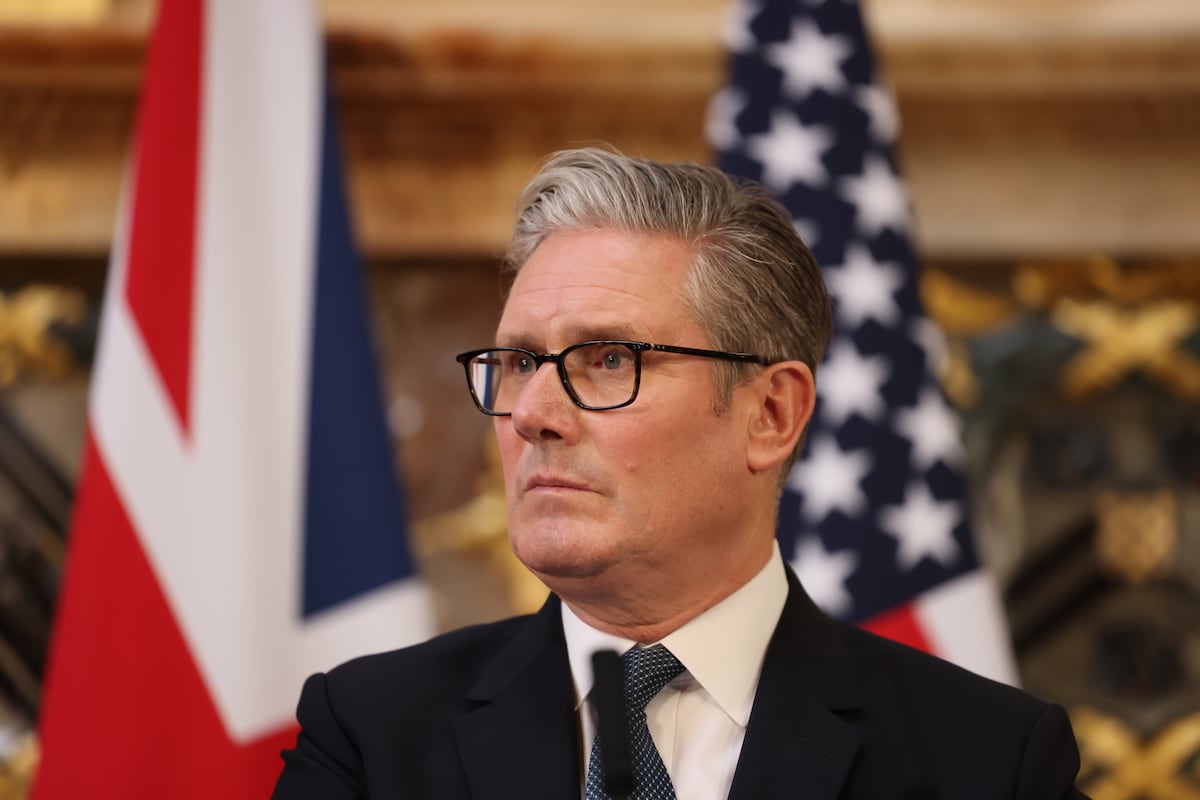
A Shift in UK Policy: Recognizing palestinian Statehood
The United Kingdom is poised to formally recognize the state of palestine, marking a significant departure from its long-held position on the Israeli-Palestinian conflict.This decision,announced by Prime Minister Keir Starmer,arrives amidst a growing international movement acknowledging Palestinian statehood and represents a calculated response to the evolving dynamics in the region.
For decades, the UK maintained that recognition of Palestine should be reserved as a final step within a thorough peace negotiation process. However, the current trajectory of events, coupled with the actions of other nations, appears to have prompted a reassessment of this strategy. You’re likely aware that Spain, Ireland, and Norway have already taken this step, with france, Portugal, and Australia signaling their intent to follow suit.
Historical Context & The Balfour Declaration
It’s crucial to understand the historical weight of this moment. The 1917 Balfour Declaration, originating from the UK, initially encouraged the establishment of a “national home for the Jewish people” in Palestine. Now, over a century later, the UK is contributing to a counter-narrative, one that acknowledges the legitimate aspirations of the Palestinian people.
This isn’t simply a symbolic gesture. It reflects a growing international frustration with the stalled peace process and a desire to create a more balanced framework for future negotiations.
Timing and Diplomatic Considerations
Interestingly, Starmer deliberately delayed the announcement until after the state visit of former U.S. President Donald Trump. This careful timing demonstrates a desire to avoid immediate friction with a key ally, while still asserting the UK’s self-reliant foreign policy.During a joint press conference, both leaders acknowledged their disagreement on the matter, but skillfully avoided a public dispute.
Navigating a Complex Response
Understandably, this decision isn’t without its potential repercussions. The UK government anticipates strong reactions from several quarters, including:
* Conservative factions within the UK.
* Families of hostages still held by Hamas in Gaza.
* The Israeli government, which views recognition as a reward for terrorism.
* The United States,a staunch ally of Israel.
To mitigate these concerns, Starmer is emphasizing the UK’s unwavering condemnation of Hamas. He’s reiterating demands for the immediate and unconditional release of all hostages and a cessation of hostilities.
A Firm Stance Against Hamas
Let’s be clear: the UK maintains that Hamas has no role in any future Palestinian government. This position was firmly communicated to Trump during his visit and will be reiterated publicly. The government believes a lasting solution requires a Palestinian leadership committed to peace and renouncing violence.
What This Means for You and the Future
This shift in policy doesn’t represent an abandonment of the two-state solution. Instead, it’s an attempt to create a more equitable foundation for future negotiations. By recognizing Palestinian statehood, the UK hopes to empower Palestinian representatives and strengthen their position at the negotiating table.
Ultimately, this decision underscores the UK’s commitment to a just and lasting peace in the region. It’s a complex issue with no easy answers, but this move signals a willingness to explore new avenues toward a resolution that respects the rights and aspirations of both Israelis and Palestinians. You can expect continued diplomatic efforts and a focus on de-escalation as the situation unfolds.
Keep reading