Spain Invests in Bioeconomy Innovation with Third Edition of StartBEC Program
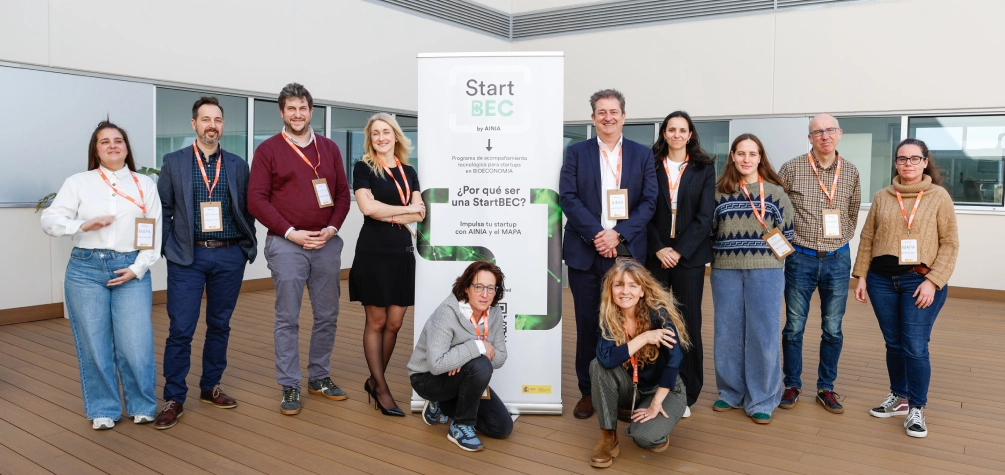
Valencia, Spain – A collaborative initiative between the Spanish Ministry of Agriculture, Fisheries and Food (MAPA) and the technology center AINIA is poised to further bolster the nation’s burgeoning bioeconomy sector. The third edition of the StartBEC program, designed to accelerate the development and market entry of innovative startups in the field, was recently launched at AINIA’s facilities in the Valencia Technology Park. This program underscores a growing global recognition of the bioeconomy’s potential to drive sustainability, economic growth and transform the agrofood system.
The StartBEC program provides crucial technological support and mentorship to emerging companies focused on bio-based solutions. This support is particularly vital for navigating the complex challenges inherent in bringing novel, sustainable products to market. The initiative aims to bridge the gap between groundbreaking research and practical application, fostering a more resilient and environmentally responsible economy. According to AINIA, the program offers access to infrastructure, expert knowledge, and scaling capabilities, addressing key needs identified by startups and established businesses alike.
Isabel Bombal, Director-General for Rural Development, Innovation and Training at MAPA, emphasized the program’s effectiveness in connecting innovation, entrepreneurship, and public policy. She stated that StartBEC “consolidates itself as an effective tool to connect innovation, entrepreneurship and public policy, facilitating that bioeconomy-based solutions can advance from the idea to their technological validation and real application in the market.” This sentiment highlights the Spanish government’s commitment to fostering a thriving bioeconomy ecosystem.
The Rise of the Bioeconomy and Spain’s Strategic Position
The bioeconomy, encompassing the production of food, chemicals, energy, and advanced materials from biological resources, is gaining prominence worldwide as a key component of sustainable development. The European Commission has identified the bioeconomy as a central pillar in achieving its climate neutrality goals, recognizing its potential to reduce reliance on fossil fuels and promote circular economy principles. Spain, with its rich agricultural heritage and growing technological capabilities, is strategically positioned to become a leader in this evolving landscape.
Cristina Del Campo, Director-General of AINIA, underscored the maturity of the StartBEC program and the value of its differentiated technological support model. She noted that the program’s success lies in its ability to respond to the real needs of startups and the business sector by providing access to infrastructure, expert knowledge, and industrial scaling capabilities. This tailored approach is designed to maximize the impact of the program and accelerate the commercialization of innovative bio-based technologies.
European Collaboration and the Future of Bioeconomy Agrofood
The launch event also featured insights from Guillermo Gea, a representative of the European Commission’s Directorate-General for the Environment – Bioeconomy and Sustainable Materials. Gea addressed the novel European Bioeconomy Strategy, outlining the Commission’s vision for a more sustainable and circular bioeconomy. The strategy emphasizes the importance of research and innovation, sustainable biomass sourcing, and the development of bio-based products and processes.
A roundtable discussion involving Bombal, Gea, and Andrés Pascual, AINIA’s Director of Innovation, focused on the future opportunities within the bioeconomy agrofood sector for companies, startups, and entrepreneurs. The discussion highlighted the potential for innovation in areas such as sustainable agriculture, food processing, and the development of bio-based packaging materials. This collaborative dialogue underscores the importance of cross-sectoral partnerships in driving the bioeconomy forward.
Startups Selected for the 2024-2025 Program
The third edition of StartBEC will support a diverse cohort of seven startups, each pioneering innovative approaches within the bioeconomy and sustainability sectors. These companies include:
- Blauver: Details regarding Blauver’s specific focus were not available in the provided sources.
- CarbonX: Details regarding CarbonX’s specific focus were not available in the provided sources.
- Clic Recycle: Details regarding Clic Recycle’s specific focus were not available in the provided sources.
- Fourstrain Labs: Details regarding Fourstrain Labs’ specific focus were not available in the provided sources.
- ODS Protein: Details regarding ODS Protein’s specific focus were not available in the provided sources.
- Omix Circular: Details regarding Omix Circular’s specific focus were not available in the provided sources.
- Organic Sanna: Details regarding Organic Sanna’s specific focus were not available in the provided sources.
Ruth Manzanares, AINIA’s Head of Open Innovation and the StartBEC Program, explained that the selected startups will receive personalized technological support to accelerate the maturation of their solutions, minimize risks during initial stages, and align their offerings with real market needs. This customized approach is designed to maximize the chances of success for these promising ventures.
A Commitment to Innovation and Sustainability
With this third edition, StartBEC solidifies its position as a leading program in the bioeconomy, reinforcing the commitment of AINIA and MAPA to fostering an innovative ecosystem capable of generating economic, environmental, and social impact. The program’s focus on supporting early-stage companies aligns with broader efforts to promote sustainable development and address pressing global challenges such as climate change and resource scarcity.
The bioeconomy represents a paradigm shift in how we produce and consume goods, moving away from a linear “take-make-dispose” model towards a more circular and regenerative system. By harnessing the power of biological resources, the bioeconomy offers the potential to create a more sustainable and resilient future for all. The StartBEC program is playing a vital role in unlocking this potential within Spain and beyond.
The program’s success is a testament to the power of collaboration between government, research institutions, and the private sector. By working together, these stakeholders can create an environment that fosters innovation, supports entrepreneurship, and drives the transition to a more sustainable bioeconomy.
Further information regarding the program’s progress and future initiatives will be released by AINIA and MAPA in the coming months. Interested parties are encouraged to monitor their respective websites for updates.
Key Takeaways:
- The StartBEC program is a collaborative initiative between AINIA and MAPA designed to support bioeconomy startups.
- The program provides technological support, mentorship, and access to resources to accelerate the development and market entry of innovative bio-based solutions.
- The European Commission’s new Bioeconomy Strategy emphasizes the importance of research, sustainable biomass sourcing, and the development of bio-based products.
- The third edition of StartBEC will support seven startups working on diverse applications within the bioeconomy.
The continued success of programs like StartBEC will be crucial in realizing the full potential of the bioeconomy and building a more sustainable future. We encourage readers to share their thoughts and experiences with bio-based innovations in the comments below.