
Chicago Cubs outfielder Ian Happ continues to demonstrate elite offensive production, a trend underscored by high-velocity metrics captured during recent appearances. On June 13, 2026, Statcast data highlighted the mechanics behind Happ’s latest home run, providing granular insight into the exit velocity, launch angle, and distance that characterize his current hitting profile. These advanced analytics, managed by Major League Baseball’s tracking systems, confirm that Happ remains a central figure in the Cubs’ offensive strategy as the team navigates the mid-season schedule.
The integration of Statcast technology into live broadcasts has transformed how fans and analysts evaluate individual performances. By tracking every pitch and batted ball via high-resolution optical cameras and radar, the league provides objective data on player performance. According to official MLB player statistics, Happ’s ability to generate consistent power is reflected in his seasonal slugging percentage and hard-hit ball rates, which remain among the most reliable indicators of his value to the Chicago lineup.
Understanding the Mechanics of a Statcast Home Run
When Ian Happ connects for a home run, the data points captured by Statcast—specifically exit velocity and launch angle—offer a precise explanation of the ball’s flight path. Exit velocity measures the speed of the baseball as it leaves the bat, while the launch angle determines the trajectory. A “sweet spot” combination of these two variables typically results in an extra-base hit or a home run, depending on the park dimensions and wind conditions at Wrigley Field or on the road.
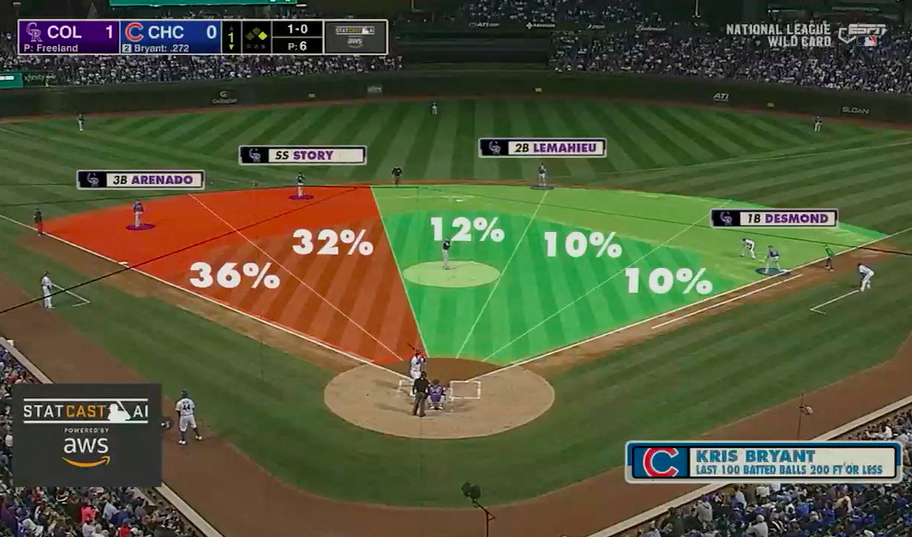
The MLB Statcast glossary defines these metrics as the foundation of modern baseball analysis. For a hitter like Happ, maintaining an optimal launch angle is essential to avoiding ground-ball outs and maximizing the frequency of fly balls that clear the fence. During the June 13 game, the data visualization tools provided a frame-by-frame breakdown of the swing, allowing observers to see exactly how Happ’s bat speed translated into the resulting distance of the home run.
Impact on the Chicago Cubs Offensive Strategy
Ian Happ’s performance is a critical component of the Cubs’ broader offensive approach. As a switch-hitter, he provides managerial flexibility, allowing the team to maintain platoon advantages throughout a game. According to the Cubs’ official team roster and statistics page, Happ’s ability to drive the ball consistently is a primary reason for his consistent presence in the top half of the batting order. His role goes beyond individual home runs; it involves setting the tone for the middle of the lineup and forcing opposing pitchers to navigate a high-on-base-percentage threat.
The reliance on data-driven decision-making has become standard across the National League. Managers utilize these Statcast outputs to determine when to challenge opposing pitchers or when to implement specific defensive shifts. For players like Happ, the feedback loop provided by these metrics allows for adjustments during practice sessions, ensuring that swing mechanics remain sharp throughout the demanding 162-game season.
The Role of In-Game Data Visualization
Modern sports broadcasting utilizes in-game data visualization to bridge the gap between complex analytics and viewer experience. By overlaying graphics that show the projected landing spot of a home run or the break of a curveball, broadcasters provide immediate context to the action on the field. These visualizations are not merely for entertainment; they are derived from the same data sets used by front-office personnel to evaluate player performance and contract value.
As the 2026 season progresses, the importance of this data will only increase. Fans can track updated metrics for all Chicago Cubs players through the Baseball Savant platform, which serves as the primary repository for all Statcast-related tracking. This transparency allows for a deeper appreciation of the physical requirements of professional baseball, highlighting the split-second decisions that separate a routine fly ball from a game-changing home run.
Future Benchmarks and Player Development
Looking ahead, the focus for Ian Happ and the Cubs organization remains on maintaining offensive consistency as the team approaches the second half of the season. Future performance will be measured against these current benchmarks, with coaches monitoring for any fluctuations in bat speed or contact quality. Official updates regarding player health, lineup changes, and upcoming game schedules are available through the official Chicago Cubs portal.
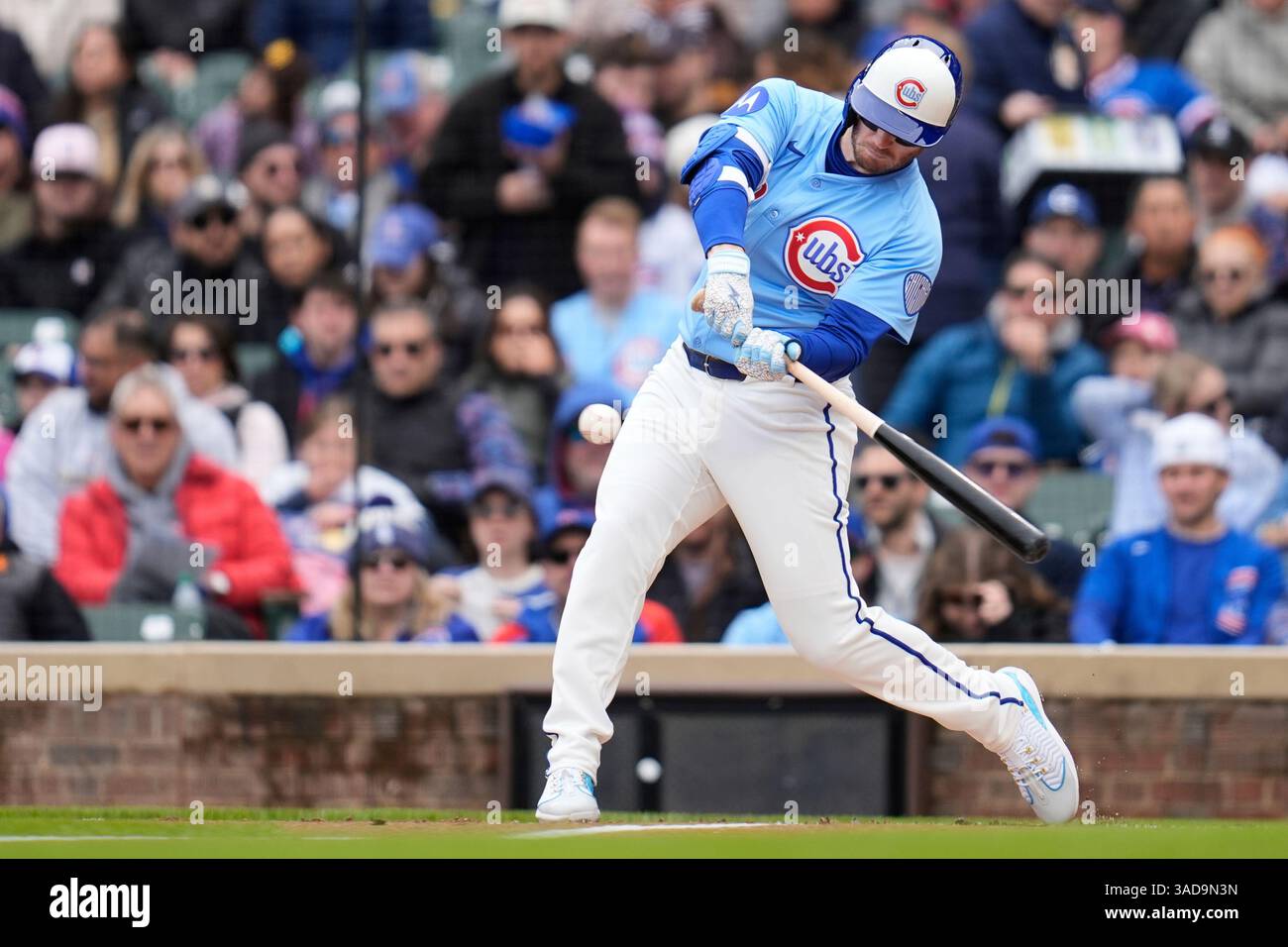
As the team continues its campaign, these analytical tools will remain essential for assessing the trajectory of the season. We encourage readers to share their thoughts on how modern analytics have changed their perspective on the game in the comments section below.
Keep reading