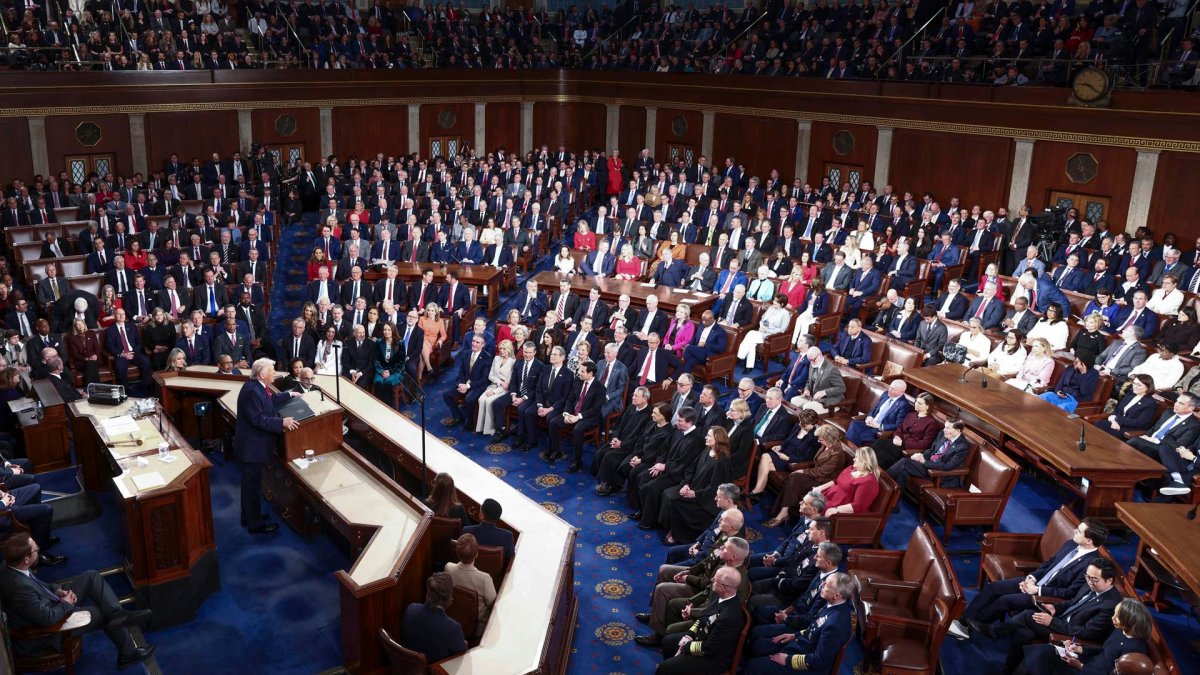
The annual State of the Union address, delivered by President Donald Trump on February 25, 2026, sparked a range of reactions from Illinois’ congressional delegation. The address, noted for its length, covered topics including economic performance, immigration policy, and the defense of existing tariffs. Even as Republican lawmakers largely praised the President’s vision, several Democrats voiced strong criticism, with some even choosing to leave the chamber during the speech. The responses highlight the deep partisan divisions that continue to shape the political landscape in Illinois and across the nation. Understanding the reactions of Illinois representatives provides insight into the state’s political priorities and the ongoing debate surrounding the President’s policies.
The President’s address touched upon a variety of issues, including economic gains and national security. However, it was the tone and content of his remarks on healthcare and immigration that proved particularly contentious, leading to visible displays of dissent from Democratic members of Congress. The responses from Illinois lawmakers underscore the challenges of finding common ground on key policy issues and the increasing polarization of American politics. This report details the specific reactions of Illinois representatives, offering a comprehensive overview of the state’s response to the President’s address.
Dissent and Disagreement: Democratic Reactions
Illinois Representative Lauren Underwood was among the most vocal critics, making the decision to walk out of the House Chamber during the President’s speech. In a video posted to social media following her departure, Underwood explained her reasoning, stating, “…I had to leave the State of the Union. After hearing him make light of the health care crisis that he created and then to not be even serious about prescription drugs, acting like Trump Rx is some real solution, give me a break. It’s outrageous and I couldn’t stay in there a moment longer.” This action underscored the deep concerns among Democrats regarding healthcare access and affordability, issues that have been central to their political platform. The “Trump Rx” plan, a reference to the administration’s efforts to lower prescription drug costs, was specifically targeted as insufficient by Underwood.
Representative Brad Schneider also expressed strong disapproval of the President’s address. Schneider acknowledged the positive moments of the evening, such as the recognition of the USA Men’s and Women’s Hockey Teams for their Olympic gold medals, but quickly pivoted to criticism of the President’s policy proposals. He argued that the address was filled with “tired old grievances and lies” and lacked a concrete plan to address the economic challenges facing American families. Schneider specifically highlighted concerns about rising grocery costs, housing affordability, and healthcare expenses, stating that the President’s policies were exacerbating these problems. He criticized the administration’s approach to food stamps, tariffs, and immigration, characterizing them as harmful and ineffective.
Governor JB Pritzker, in a statement released on February 24, 2026, condemned the President’s remarks as “lies” and “gaslighting.” Pritzker accused Trump of attempting to mislead the American public and outlined plans to “steal our elections.” This strong condemnation reflects the ongoing tension between the Governor and the President, and underscores the Democratic Party’s concerns about the integrity of the electoral process.
Representative Robin Kelly criticized the President for attaching his name to policies she believes have negatively impacted Americans, including “TrumpRx,” “Trump taxes,” and other initiatives. Kelly argued that these policies have contributed to higher healthcare costs, increased taxes, and a generally higher cost of living. Representative Sean Casten offered a particularly scathing critique, describing the President’s speech as lacking “joy” or “happiness” and characterizing him as an “angry, bitter, hateful” man. Representative Jan Schakowsky echoed these sentiments, asserting that the President presented “lies” and failed to address the struggles of working families. Congressman Bill Foster went so far as to state he had identified five “bald-faced lies” within the first hour of the speech, prompting him to leave the chamber.
Support and Alignment: Republican Perspectives
In contrast to the Democratic criticism, Republican representatives largely lauded the President’s address. Representative Darin LaHood praised the speech as a clear articulation of the administration’s accomplishments and a vision for the future. LaHood highlighted the administration’s efforts to secure the southern border, cut taxes, strengthen the economy, and restore American leadership on the world stage. He expressed confidence that the President’s policies would continue to deliver positive results for the American people.
Representative Mike Bost shared an image on X (formerly Twitter) on February 25, 2026, signaling his support for the President’s address. pic.twitter.com/wyP9r5HFCx. Nikki Budzinski, while acknowledging the struggles faced by many Americans, criticized the President for being “dangerously disconnected” from the issues affecting their lives.
The Broader Context: Economic Policies and Political Divisions
The reactions to the State of the Union address reflect the broader political and economic context in the United States. The President’s economic policies, including tax cuts and deregulation, have been credited by Republicans with stimulating economic growth. However, Democrats argue that these policies have disproportionately benefited the wealthy and exacerbated income inequality. The debate over tariffs, which the President defended in his address, also highlights the ongoing tensions between protectionist and free trade policies. According to the Bureau of Economic Analysis, the U.S. Economy experienced a growth rate of 2.5% in the fourth quarter of 2025, a figure that both parties have used to support their respective narratives.
The President’s immigration policies have also been a source of intense controversy. Democrats have criticized the administration’s policies as cruel and inhumane, while Republicans have defended them as necessary to secure the border and protect national security. The debate over immigration is likely to continue to be a major point of contention in the coming months and years. The Department of Homeland Security reported a 15% increase in border apprehensions in January 2026, further fueling the debate over immigration policy.
Key Takeaways
- The State of the Union address elicited sharply divided responses from Illinois lawmakers, reflecting the deep partisan divisions in American politics.
- Democratic representatives largely criticized the President’s policies, particularly on healthcare, immigration, and economic inequality.
- Republican representatives generally praised the President’s address, highlighting his accomplishments in securing the border, cutting taxes, and strengthening the economy.
- The reactions to the address underscore the ongoing debate over key policy issues and the challenges of finding common ground in a polarized political environment.
As the political landscape continues to evolve, the responses of Illinois lawmakers to the State of the Union address serve as a barometer of the state’s political priorities and the ongoing debate over the direction of the nation. The next key event to watch will be the upcoming budget negotiations in Congress, where the President’s proposals are likely to face further scrutiny and opposition from Democrats. Stay informed about these developments and share your thoughts in the comments below.
Worth a look