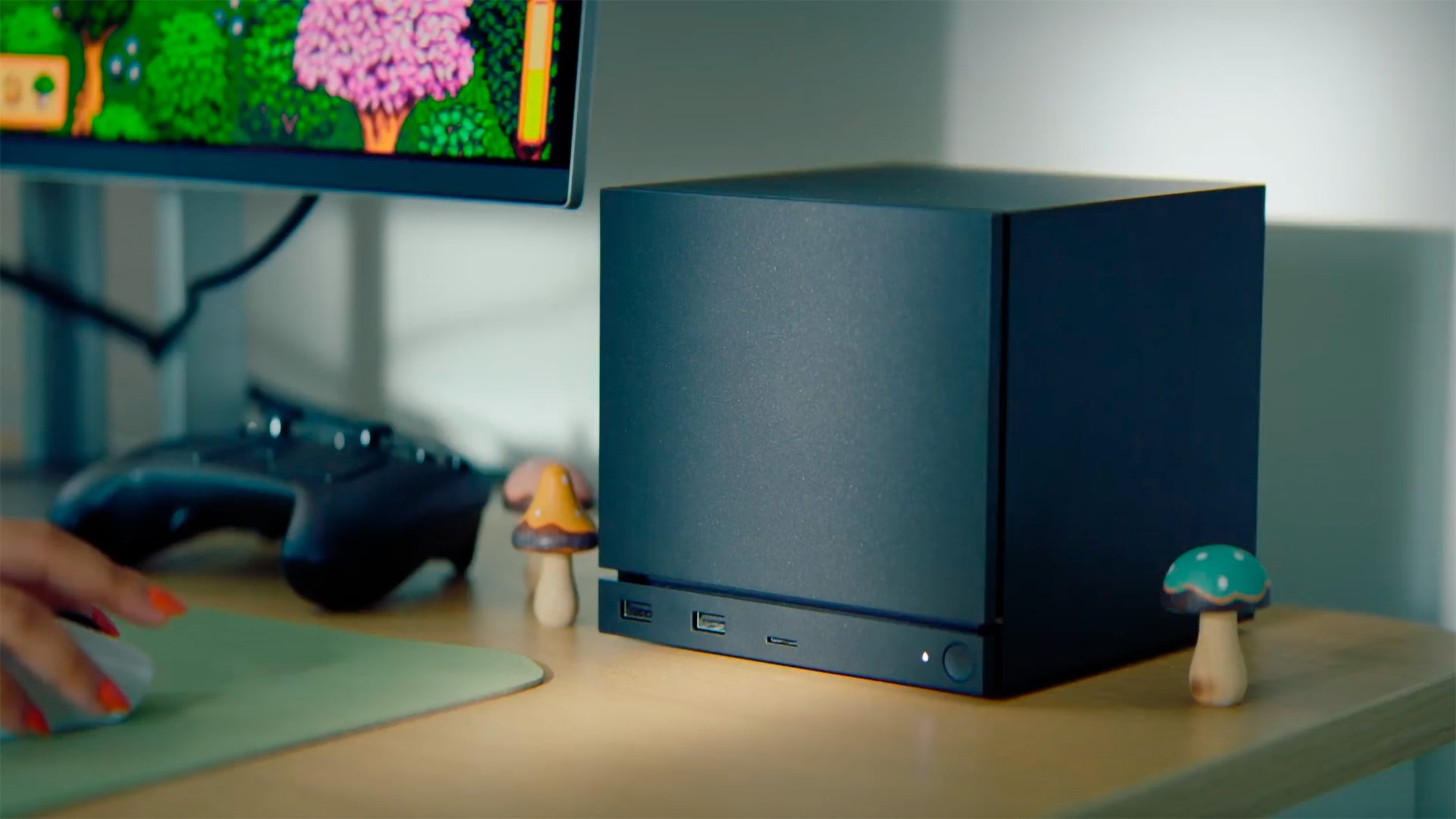
Valve has updated its official product page for the Steam Deck, removing a promotional claim that the handheld device is capable of “4K gaming at 60 FPS.” The change follows widespread community feedback regarding the hardware’s performance limitations when connected to external displays. While the Steam Deck remains a market leader in the handheld PC category, the adjustment reflects a move toward more precise marketing regarding its technical output capabilities.
The device, which utilizes a custom APU developed in collaboration with AMD, is natively designed to target a 1280×800 resolution. According to official specifications provided by Valve, the Steam Deck’s hardware is optimized for portable play rather than high-resolution output on large-format displays. Users who attempted to push the device to 4K resolutions via the USB-C dock reported significant drops in frame rates, often rendering modern, graphically intensive titles unplayable at that resolution.
Understanding the Steam Deck Performance Constraints
The primary conflict between consumer expectations and hardware reality stems from the device’s architecture. Designed as a mobile platform, the Steam Deck’s internal components prioritize power efficiency and thermal management over the raw graphical processing power required to render games at 4K resolution (3840×2160 pixels). While the device supports external display output through its dock, doing so requires the system to process four times the number of pixels compared to its native 800p screen.

Industry analysts have noted that handheld PCs often face challenges when scaling to higher resolutions. As reported by The Verge, the removal of the 4K marketing language serves to align consumer expectations with the actual gaming experience. For most users, the device is intended to provide a stable experience at 720p or 800p, with some titles capable of reaching higher fidelity through the use of FSR (FidelityFX Super Resolution), an upscaling technology that helps bridge the gap between performance and visual quality.
Marketing Adjustments and Consumer Transparency
Valve’s decision to revise its product copy is part of a broader trend of companies adjusting technical claims to avoid potential litigation or consumer dissatisfaction. In the gaming industry, marketing materials often highlight “peak” potential—such as the maximum output resolution of a display port—rather than the sustained performance a user can expect during gameplay. By removing the specific “4K at 60 FPS” reference, Valve has effectively narrowed the scope of its performance claims to reflect the device’s actual use cases.
The shift also highlights the importance of hardware literacy in an era where consumers are increasingly connecting mobile devices to high-end home theater setups. According to Digital Foundry, an outlet specializing in technical hardware analysis, the Steam Deck’s GPU is fundamentally limited by its memory bandwidth and power envelope. For users intending to play titles at 4K, the hardware is simply not designed to maintain the 60 frames-per-second benchmark that has become the industry standard for “smooth” gameplay.
What This Means for Current Steam Deck Owners
For existing owners, this change does not impact the device’s functionality. The Steam Deck remains fully capable of outputting to 4K displays for media consumption or less demanding indie titles, but it is not a 4K gaming machine in the traditional sense associated with high-end desktop PCs or current-generation home consoles like the PlayStation 5 or Xbox Series X. The update is primarily a refinement of marketing nomenclature to prevent confusion.
.jpg "What This Means for Current Steam Deck Owners")
Moving forward, prospective buyers are encouraged to consult the official Steam Deck news hub for the most accurate information regarding software updates, verified game compatibility, and hardware capabilities. Valve continues to release firmware updates that improve the stability of the SteamOS, which may yield incremental performance gains in specific scenarios, though these updates are unlikely to change the fundamental hardware limitations regarding high-resolution rendering.
Valve has not announced a specific date for any future hardware revisions. For now, the standard Steam Deck and the updated OLED model continue to be the primary offerings in the lineup. Readers are encouraged to share their experiences with Steam Deck display output in the comments below, or join the ongoing discussions on community forums regarding the latest software patches.
Related reading