The Steam Next Fest, a recurring digital showcase hosted by Valve, remains the primary venue for players to access hundreds of pre-release game demos and interact directly with independent developers. As the gaming industry continues to evolve, these seasonal events serve as a critical bridge between early-stage development and commercial launch, offering users a chance to test upcoming titles while providing studios with vital telemetry and community feedback. According to the official Steam event page, the festival features a curated selection of demos spanning nearly every genre, available to download and play at no cost for the duration of the event.
For players and industry observers, the Steam Next Fest represents a shift in how software is marketed. Rather than relying solely on trailers or scripted gameplay, the platform allows for direct user interaction with unfinished builds. This transparency helps manage player expectations while allowing developers to identify technical bugs and gameplay balance issues before a full release. The event is scheduled regularly, with Valve typically hosting three editions each year—often in February, June, and October—to align with the platform’s seasonal update cycles.
How to Access and Navigate the Next Fest Demos
Navigating the sheer volume of content during a Steam Next Fest can be challenging, as the platform often hosts hundreds of simultaneous demos. To manage the influx of titles, Valve provides a dedicated event hub where games are categorized by genre, visual style, and player preference. Users can filter by tags such as “Strategy,” “RPG,” “First-Person Shooter,” or “Co-op” to narrow down the selection. According to official Steamworks documentation, developers are required to submit their playable builds well in advance of the festival to ensure stability and compatibility with the Steam client.
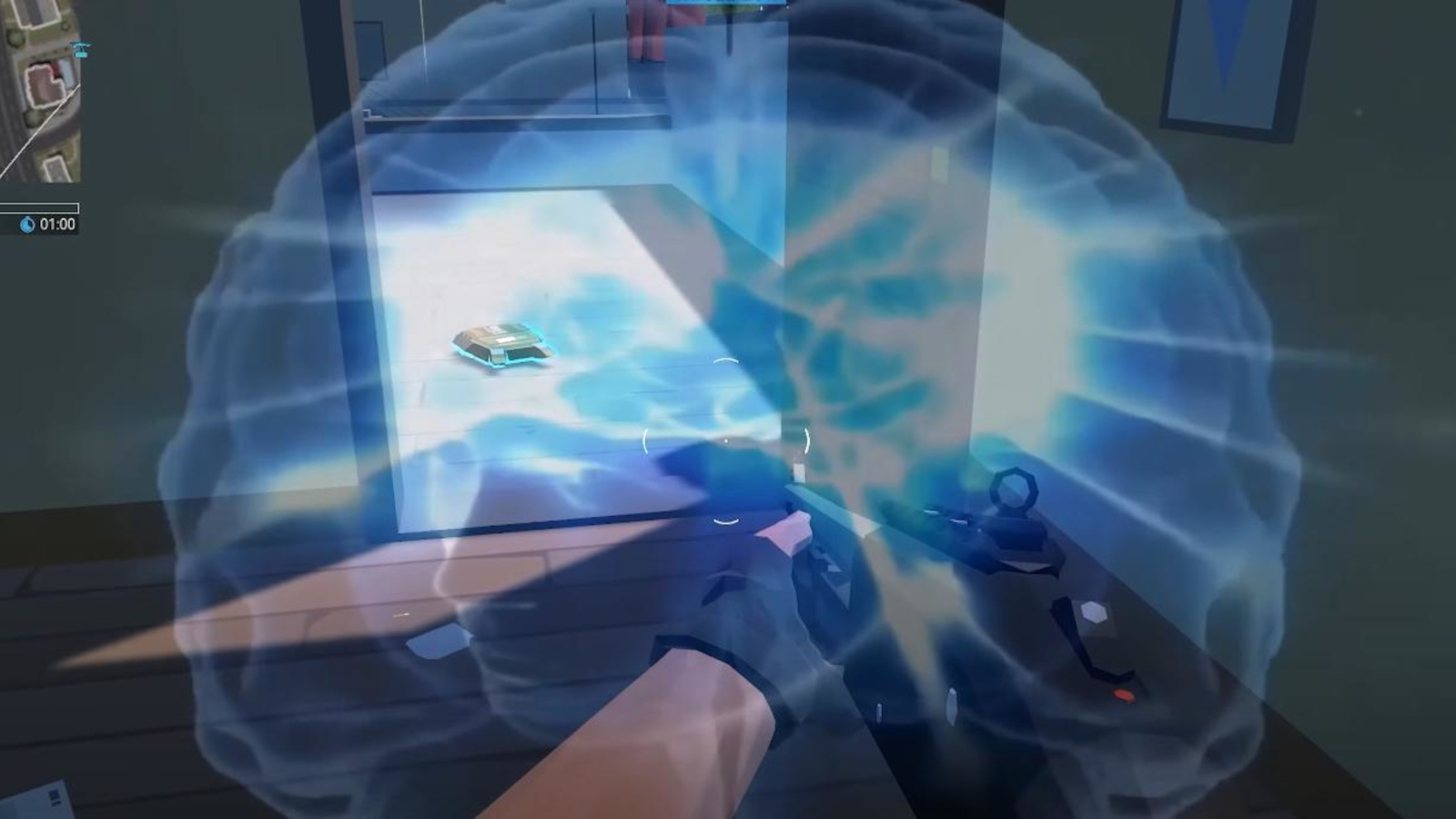
Beyond the simple download of demos, the festival is characterized by a series of live developer broadcasts. These streams are integrated directly into the game’s store page, allowing potential players to watch the developers play their own creations, ask questions in real-time, and gain insight into the game’s development history. This feature is particularly valuable for niche titles that may not receive significant traditional marketing support. Engaging with these broadcasts is often the best way to determine if a title aligns with one’s personal interests before committing the bandwidth to download a large file.
Why Seasonal Demos Matter for Independent Developers
The importance of the Steam Next Fest for independent studios cannot be overstated. For many small teams, the festival is the most effective way to drive “wishlists”—a metric that significantly impacts a game’s visibility on the Steam store algorithm upon its eventual launch. Data from various independent post-mortems indicates that high wishlist counts during the festival can determine whether a game gains traction on the store’s “Popular Upcoming” list. As noted by GamesIndustry.biz, the competition for consumer attention during these weeks is intense, forcing developers to polish their demo builds to a high standard to ensure a positive first impression.

This cycle of feedback and visibility has created a more professionalized approach to demo development. Developers no longer simply upload a “vertical slice” of their game; they often build specific introductory chapters designed to showcase the core mechanics while leaving players wanting more. This strategy is essential for converting a casual “demo player” into a “day-one buyer.” By observing player behavior through these demos, studios can make data-driven adjustments to difficulty curves, tutorial pacing, and user interface elements, which are often cited as the most common pain points in early-access feedback.
Identifying High-Potential Titles
With hundreds of games available, identifying which demos are worth the time requires a mix of curation and community sentiment. The most reliable indicator of a quality demo is often the “Trending” tab within the event hub, which aggregates data based on active downloads and player engagement. Furthermore, checking community hubs and third-party gaming forums can reveal if a demo has a specific technical flaw or if it offers a particularly polished experience. It is important to note that because these are pre-release builds, they may not reflect the final performance or feature set of the finished product.

Players should keep an eye on the “Scheduled Broadcasts” calendar, which is updated throughout the event. This allows users to plan their viewing and playing time efficiently. For those interested in tracking the broader trends of the industry, the diversity of games showcased at the Next Fest often highlights shifts in popularity—such as the recent rise in cozy simulation games or the enduring interest in complex deck-building mechanics. Observing these trends provides a clear picture of where the independent gaming sector is heading in the coming calendar year.
Future Updates and Participation
The next iteration of the Steam Next Fest is expected to follow the established annual cadence. While Valve typically announces the specific dates for each festival a few months in advance, users can monitor the Steam News Hub for official announcements regarding registration and start times. Participating in the event requires only a standard Steam account and the client software installed on a compatible PC or Steam Deck. As the platform continues to grow, the expectation is that the scale of these events will remain consistent, providing a reliable heartbeat for the PC gaming ecosystem.
Whether you are a developer looking to showcase your latest project or a player seeking the next hidden gem, the Steam Next Fest remains an essential fixture in the gaming calendar. Readers are encouraged to share their favorite finds from the latest festival in the comments section below or join the discussion on our social media channels to see what other community members are playing.
Worth a look