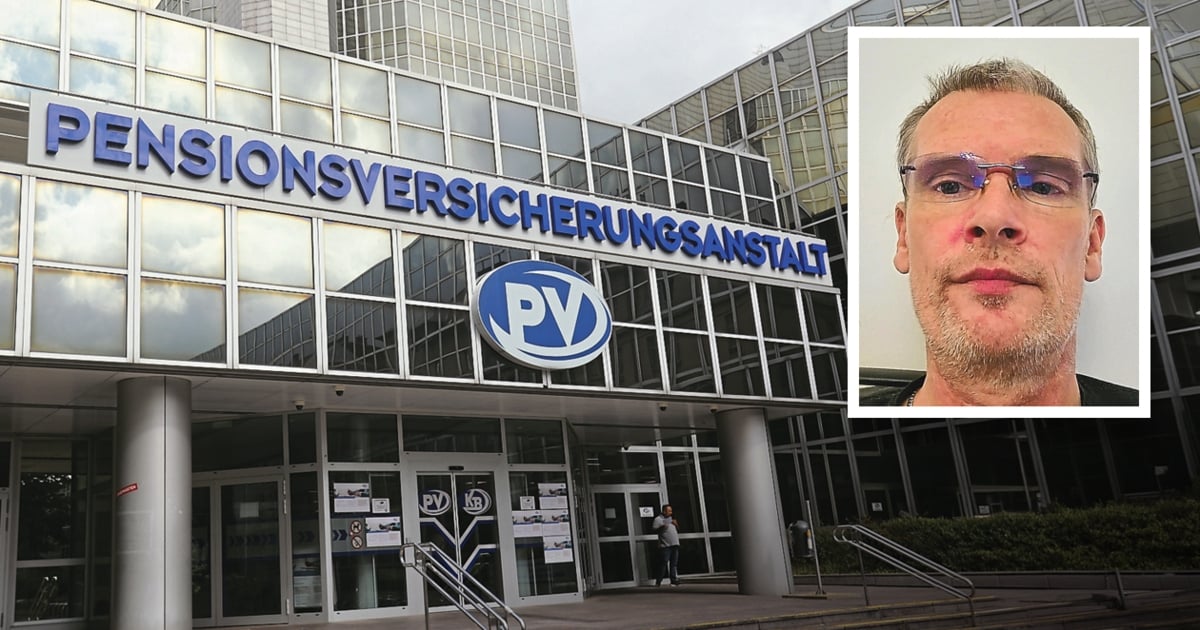
When Florian K., a 34-year-old triathlete from Austria, contracted COVID-19 in March 2022, he had no idea the infection would derail his life—or that his fight for recognition as disabled would become a high-stakes legal and medical battle. Three years later, his story underscores a growing crisis: the systemic challenges faced by Long COVID patients seeking disability benefits in Europe, where bureaucratic hurdles often outpace medical understanding.
Florian K. Was once a high performer—balancing a demanding doctoral program, 60–70 hours of work per week, and elite-level athletics, including preparations for his first Ironman competition. But after his COVID-19 diagnosis, his world collapsed. Despite multiple negative tests, his body refused to recover. “I wanted to return to training,” he later recounted, “but I couldn’t even get out of bed.” His condition, now classified as Post-COVID-19 syndrome (Long COVID), left him with severe fatigue, cognitive dysfunction, and physical limitations that defied conventional recovery timelines.
The Austrian Pensionsversicherungsanstalt (PVA)—the country’s public pension insurance provider—initially denied his application for a disability pension, citing insufficient evidence of permanent incapacity. Florian K. Is not alone: across Europe, Long COVID patients report similar rejections, often despite medical documentation of debilitating symptoms. His case, however, has taken on symbolic weight, exposing gaps in how national health systems classify and support chronic post-viral conditions.
Long COVID and the Disability Benefits Gap
Florian K.’s experience highlights a critical tension between medical science and administrative policy. Long COVID—defined by the World Health Organization (WHO) as symptoms persisting for at least two months after initial infection—lacks standardized diagnostic criteria. This ambiguity creates a “catch-22” for patients: they need official recognition to access benefits, but the criteria for recognition are often vague or nonexistent.
In Austria, the PVA’s decisions are guided by the Federal Social Insurance Act, which requires proof of “complete or partial inability to work” due to a medical condition. For Long COVID, this standard is problematic. Symptoms like brain fog, post-exertional malaise, and unpredictable flare-ups are poorly understood by insurers, who often demand objective biomarkers—tests that, as of 2026, do not yet exist for Long COVID.
A 2023 study published in The Lancet estimated that up to 65 million people worldwide may be living with Long COVID, yet fewer than 10% receive formal disability recognition in Europe. Florian K.’s case is now being reviewed by Austria’s Social Court, where legal experts argue that the PVA’s rejection fails to account for the progressive and fluctuating nature of Long COVID.
Why Florian K.’s Case Matters
Florian K. Is pursuing two parallel tracks: a legal challenge to the PVA’s decision and a request for the difference between his current income and the hardship allowance (Notstandshilfe) provided by Austria’s social welfare system. His lawyers argue that the PVA’s assessment was based on outdated criteria that do not reflect the European Centre for Disease Prevention and Control’s (ECDC) 2025 guidelines, which now acknowledge Long COVID as a chronic, multisystem disorder.

If successful, his case could set a precedent for how Austrian courts interpret Long COVID in disability claims. “The PVA was our greatest obstacle,” Florian K. Told reporters in July 2025. “They treated Long COVID as if it were a temporary condition, not a life-altering disability.” His story resonates with other patients, including a German study from 2024 that found 42% of Long COVID patients in that country reported being denied disability benefits initially.
Critics of the PVA’s approach point to a broader issue: many European pension systems were not designed to accommodate invisible disabilities. Long COVID symptoms—often invisible to outsiders—require a shift in how insurers evaluate “work capacity,” moving away from rigid, one-size-fits-all assessments toward more flexible, symptom-based evaluations.
What Happens Next?
Florian K.’s legal battle is far from over. His case is currently under review by Austria’s Social Court, with no confirmed hearing date as of June 2026. Legal observers suggest the outcome could influence how other European countries handle Long COVID disability claims, particularly in nations like Germany, where similar cases are pending.
In the meantime, Florian K. Continues to advocate for systemic change. He has partnered with Long COVID Austria, a patient-led organization pushing for policy reforms, including mandatory insurer training on recognizing Long COVID symptoms and faster approval processes for high-risk applicants.
For now, his story serves as a stark reminder: behind every statistic on Long COVID is a human being fighting for basic recognition—and the right to live with dignity.
Key Takeaways
- Long COVID as a disability: The WHO and ECDC now classify Long COVID as a chronic condition, yet many European insurers lack clear guidelines for evaluating it in disability claims.
- Legal precedents: Florian K.’s case could set a precedent for how Austrian courts interpret Long COVID symptoms in work capacity assessments.
- Systemic gaps: Over 65 million people globally may have Long COVID, but fewer than 10% receive disability recognition in Europe due to bureaucratic and medical uncertainties.
- Patient advocacy: Organizations like Long COVID Austria are pushing for policy changes, including faster approvals and insurer training on recognizing Long COVID.
- Next steps: Florian K.’s case is pending before Austria’s Social Court, with potential implications for regional disability benefit policies.
This story raises critical questions: How should national health systems adapt to recognize Long COVID as a disability? What can patients do if their claims are denied? Share your experiences or questions in the comments below—or connect with Long COVID advocacy groups in your region for support.
Related reading