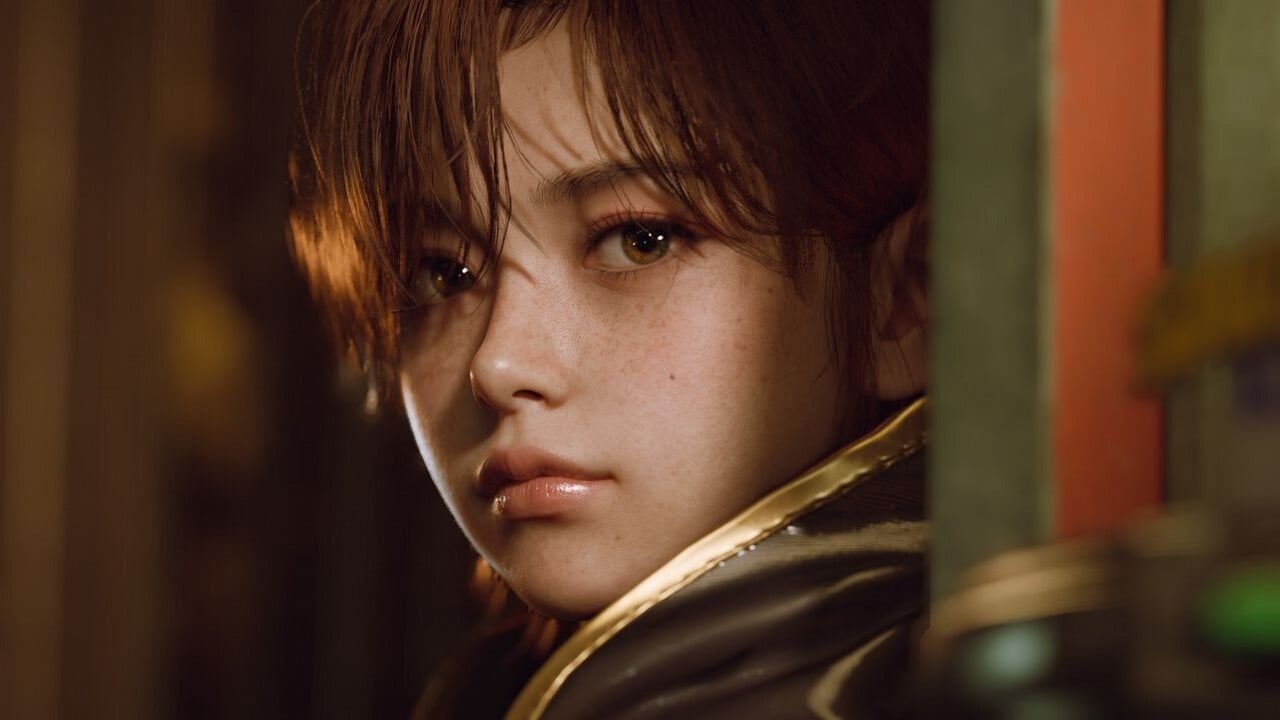
Shift Up, the South Korean developer behind the high-profile action title Stellar Blade, appears to be navigating a strategic shift in its creative direction. Following the commercial success and subsequent cultural debates surrounding the aesthetic choices of its first major release, the studio is reportedly looking to diversify the ways it engages its global audience. Recent discussions within the gaming community suggest that the studio’s future projects may move away from a primary reliance on character sex appeal, seeking instead to captivate players through expanded narrative depth and varied character archetypes.
This evolution comes at a critical juncture for the studio. While Stellar Blade established Shift Up as a significant player in the high-fidelity action genre, the game also became a lightning rod for intense discourse regarding character design and representation. As the studio prepares for what many believe to be the next chapter in its universe, the focus seems to be shifting toward a more multifaceted approach to character development.
How is Shift Up evolving its design philosophy?
For much of the discourse surrounding Stellar Blade, the visual design of the protagonist, Eve, was a central point of contention. While many players praised the high-quality animations and striking character models, others criticized the heavy emphasis on sexualized aesthetics. Industry analysts have noted that while this approach contributed to the game’s initial visibility, it also limited the scope of the conversation surrounding the game’s mechanical and narrative merits.
According to recent reports and community discussions, Shift Up is exploring a different path for its upcoming content. The goal appears to be a move toward “charm” and “depth” that transcends purely visual appeal. This does not necessarily imply a rejection of stylized character design, but rather a broadening of the studio’s toolkit to include characters that resonate through personality, complex backstories, and diverse visual identities.
This pivot mirrors a broader trend observed in the AAA gaming industry, where developers are increasingly balancing aesthetic distinctiveness with a desire to reach wider, more diverse demographics. By diversifying character archetypes, Shift Up may be attempting to insulate itself from the volatility of aesthetic-driven controversies while building more long-term brand loyalty through substance.
What sparked the controversy over character aesthetics?
The controversy surrounding Shift Up’s design choices has been multifaceted. On one side, a segment of the player base defended the studio’s right to pursue a specific stylistic vision, arguing that character aesthetics are a valid component of the gaming experience. On the other side, critics argued that the hyper-sexualization of female protagonists can be reductive and may alienate portions of the audience.
Adding complexity to this debate were recent, highly contentious discussions regarding the visual design of new characters. Some community members and critics have raised concerns over character models that they claim appear “child-like” in certain proportions or facial structures. These allegations have sparked significant backlash in online forums, leading to heated debates about the ethics of character modeling and the responsibilities of developers in creating relatable yet appropriate avatars.
Shift Up has not issued a formal, comprehensive rebuttal to every specific design critique, but the studio’s apparent shift in direction suggests that the impact of these controversies is being felt at a developmental level. Managing the balance between a studio’s creative identity and the evolving expectations of a global, highly vocal player base is one of the most significant challenges facing modern developers.
Speculation surrounding a potential sequel and “Blood Rain”
While Shift Up has not officially confirmed the details of its next major project, rumors regarding a follow-up to the Stellar Blade universe have intensified. Some reports have specifically mentioned a title or project phase referred to as Stellar Blade: Blood Rain. While the existence and official title of such a project remain unconfirmed by the studio, the name has become a focal point for speculation regarding the franchise’s expansion.
Much of this speculation is tied to the upcoming Summer Game Fest, where many industry observers expect major announcements. There is significant interest in whether a new title would continue to be published under the Sony Interactive Entertainment umbrella or if Shift Up will pursue a more independent publishing model. The relationship between Shift Up and Sony was a key component of the original game’s success, providing the technical and marketing support necessary for a global launch.
If a sequel or expansion like the rumored Blood Rain is indeed in development, the design philosophy shift mentioned above will likely be its most defining characteristic. If the studio succeeds in moving beyond the “sex appeal” framework, it could set a new precedent for how South Korean developers approach character-driven action games on the global stage.
Key Themes in Shift Up’s Potential Direction
- Narrative Complexity: Moving from character models as visual centerpieces to characters as narrative drivers.
- Aesthetic Diversification: Reducing reliance on hyper-sexualization to appeal to a broader demographic.
- Managing Controversy: Addressing community concerns regarding character proportions and design ethics.
- Platform Independence: Potential shifts in publishing partnerships and distribution models.
What does this mean for the future of the genre?
The decisions made by Shift Up will likely serve as a bellwether for other mid-to-large scale studios in the South Korean gaming sector. As these studios gain more international influence, their approach to character design, controversy management, and publishing partnerships will be closely watched by both players and investors.

If Shift Up can successfully transition from a studio known for “aesthetic-first” design to one recognized for “substance-driven” character development, it will demonstrate a level of maturity and strategic foresight that is highly valued in the current market. Conversely, if the studio struggles to balance its original identity with new design mandates, it may face continued friction with its existing fanbase.
For now, the industry remains in a state of anticipation. Whether the rumored Blood Rain project is a direct sequel, a standalone expansion, or an entirely different direction for the studio, the core question remains: can Shift Up redefine its identity without losing the visual flair that helped it rise to prominence?
We will continue to monitor official press releases from Shift Up and Sony Interactive Entertainment for confirmed details regarding upcoming titles and development roadmaps. Any official announcements regarding the Stellar Blade universe or Summer Game Fest presentations will be updated here immediately.
What are your thoughts on the evolving direction of character design in AAA games? Do you believe a shift away from aesthetic-driven marketing is necessary for the genre’s growth? Let us know in the comments below and share this article with your network.
Related reading