
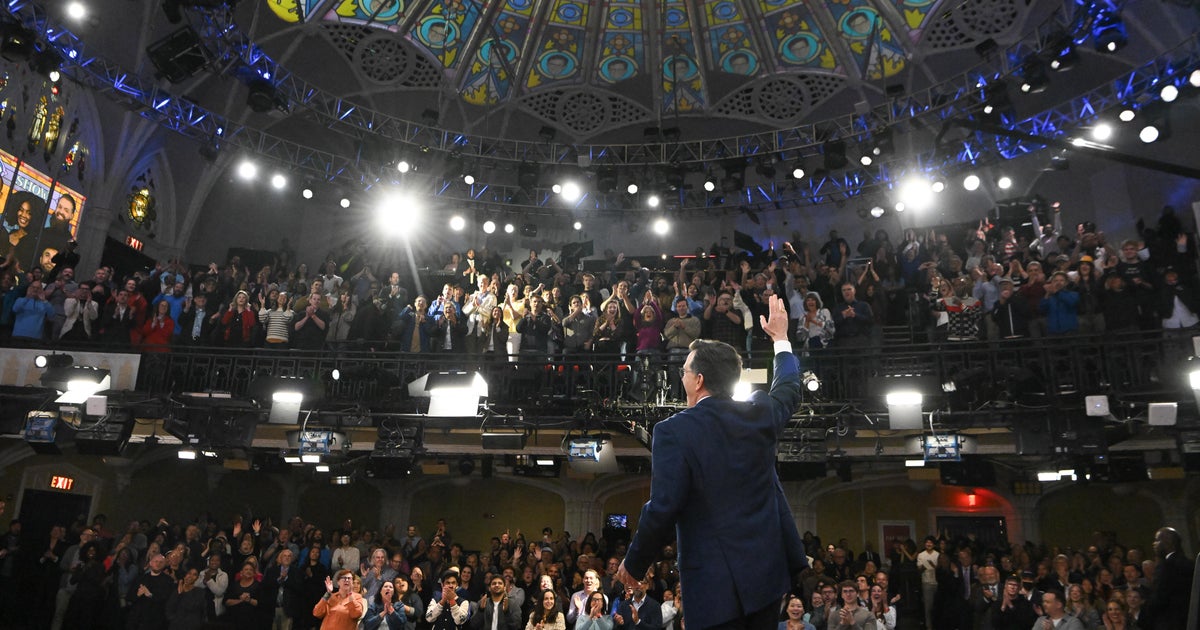
In a television landscape defined by rapid shifts and digital migration, the conclusion of a long-standing late-night franchise marks a significant transition in American media history. Stephen Colbert, the host who brought a distinct brand of political satire and intellectual curiosity to the late-night format, officially stepped away from the stage of “The Late Show” this past Thursday evening. His departure signals the end of a storied tenure that has served as a cultural touchstone for millions of viewers, reflecting the evolving relationship between audiences and nightly broadcast comedy.
The final broadcast served as a retrospective of a career that navigated the complexities of modern political discourse and cultural commentary. As noted by industry observers, the conclusion of the franchise—which has spanned over three decades in various iterations—underscores the shifting economic and creative priorities within the television industry. For many, this moment represents not merely the end of a program, but the closing of a chapter in the history of the CBS late-night lineup.
The Evolution of Late-Night Television
The departure of a host of Colbert’s stature prompts a broader discussion regarding the sustainability of the traditional late-night talk show model. Over the past several years, the media sector has faced intense competition for viewer attention, driven by the proliferation of streaming services and on-demand content. According to data from the Nielsen Corporation, broadcast television has seen a consistent migration of demographics toward digital platforms, challenging the reach of traditional nightly monologues.
Colbert’s approach to the medium was characterized by a synthesis of sharp journalistic inquiry and the theatricality of his earlier career. His ability to pivot between serious interviews with political figures and lighthearted comedy segments defined his approach to the “The Late Show” format. This duality was central to the program’s identity, providing a space where the day’s headlines were met with both scrutiny and levity. As the industry looks toward future programming strategies, the legacy of this approach remains a subject of study for media analysts and business strategists alike.
Assessing the Cultural and Economic Impact
From an economic perspective, the end of a long-running late-night staple involves complex considerations regarding advertising revenue and brand alignment. Late-night television has historically been a lucrative segment for networks, relying on consistent viewership numbers to attract premium advertising partners. However, the move toward digital-first engagement has forced networks to rethink how they monetize intellectual property beyond the linear broadcast slot. The conclusion of this specific franchise reflects a necessary adjustment to these macroeconomic pressures within the entertainment industry.
the departure of a high-profile host ripples through the talent ecosystem. The collaboration between the production team, the network, and the creative talent represents a significant investment of resources. As the industry moves forward, observers will be watching to see how networks adjust their programming schedules and talent acquisition strategies to maintain relevance in an increasingly fragmented digital marketplace. The transition away from the current format offers a clear example of how legacy media institutions are navigating the transition to a post-broadcast-dominant environment.
Key Takeaways on the Transition
- End of an Era: The conclusion of the franchise marks a pivotal moment for late-night broadcast television.
- Industry Realignment: Networks are actively navigating the shift from linear broadcast viewership to digital-first engagement models.
- Market Dynamics: Advertising and viewership trends continue to influence the longevity and structure of long-running entertainment properties.
- Cultural Legacy: The impact of the program on political discourse and cultural commentary remains a subject of analysis for media historians.
Looking Ahead: The Future of Late-Night
As the curtain falls on this iteration of “The Late Show,” the focus for network executives and stakeholders shifts to the future of the time slot. Historically, the transition between hosts is a period of intense creative and financial planning. While the network has yet to announce specific long-term strategies for the 11:35 p.m. Hour, the industry anticipates a period of experimentation and refinement. For viewers, the transition represents an opportunity for the network to redefine its voice and reach in a modern context.
The next confirmed checkpoint for the network involves the unveiling of future programming schedules and the potential announcement of new creative directions for the late-night block. Investors and media enthusiasts alike are encouraged to monitor official press releases from the network for updates regarding future scheduling. We invite our readers to share their thoughts on the evolution of late-night television in the comments section below, as we continue to track the developments within this dynamic sector of the global media economy.