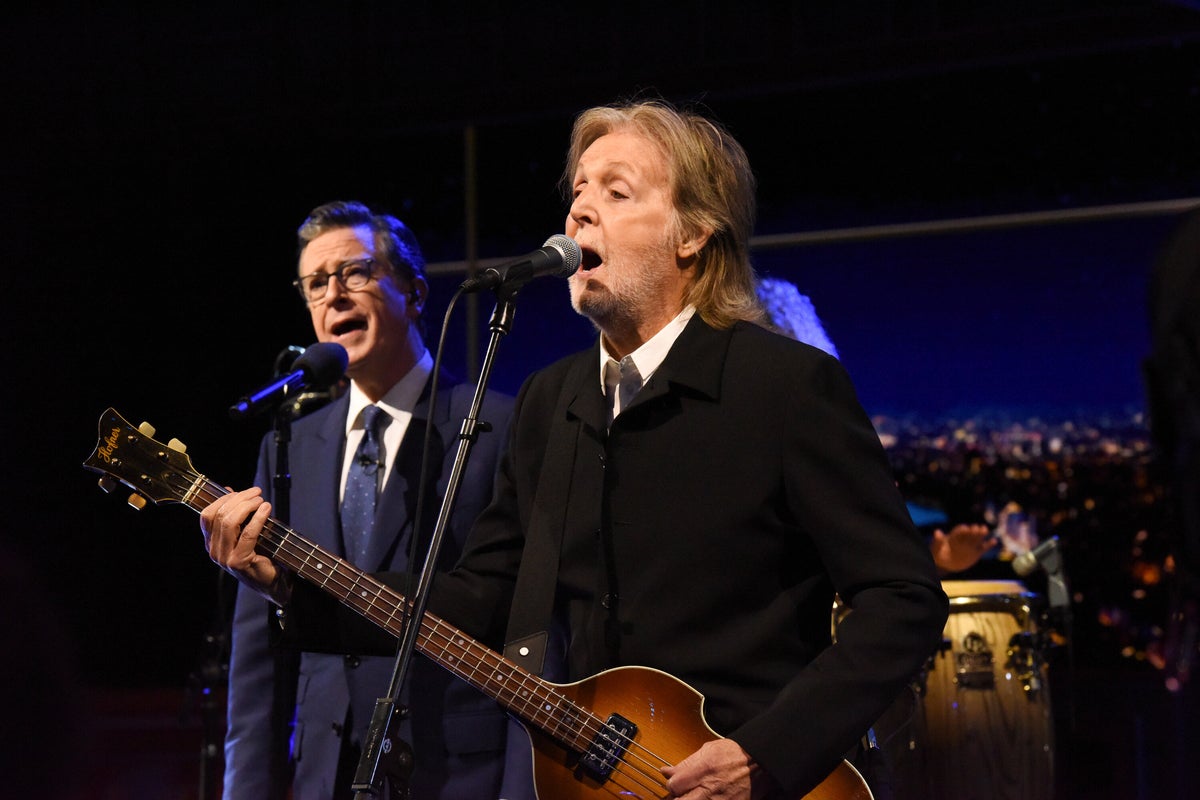
As the curtains close on a decade-long tenure in late-night television, Stephen Colbert has left an indelible mark on the landscape of American political satire. Following the broadcast of his final episode of The Late Show in May 2026, industry analysts and viewers alike have been reflecting on the cultural significance of his time at the helm of the CBS flagship program. Since taking over the hosting duties from David Letterman in September 2015, Colbert navigated a rapidly shifting media environment, balancing traditional talk-show formats with incisive commentary on the American political climate.
The conclusion of his run has sparked widespread conversation regarding the “golden age” of late-night political comedy. Throughout his 11-year tenure, Colbert’s approach—often characterized by a blend of theatrical performance and journalistic curiosity—provided a lens through which millions of viewers processed the complexities of contemporary governance and social discourse. His departure marks not just the end of a television cycle, but a moment for the industry to evaluate how satire functions in an increasingly polarized digital age.
A Decade of Evolution in Late-Night Television
Stephen Colbert’s transition to The Late Show represented a significant shift from his previous work on The Colbert Report, where he famously portrayed a satirical version of a right-wing pundit. While his earlier persona relied heavily on irony and character-driven humor, his role at CBS required him to step into the shoes of a traditional host. Over the course of his 11-year run, Colbert frequently spoke about the challenges of adapting to this format, noting that he had not initially envisioned himself as a long-term talk show host when he began the journey in 2015.
The late-night genre has faced mounting pressure as audience habits shift toward on-demand streaming and social media clips. Despite these challenges, Colbert’s program remained a fixture of the CBS lineup, consistently drawing significant viewership numbers throughout his tenure. The recent conclusion of his show has prompted a wave of tributes and critical analyses, highlighting the role he played in shaping the nightly discourse for a global audience.
The Future of Political Satire
A central theme in discussions surrounding Colbert’s exit is the evolving nature of political comedy. For many, his career serves as a case study in how entertainers can engage with “uncertainty”—a concept he frequently addressed during his broadcasts. By leaning into the unpredictability of the news cycle, Colbert maintained a connection with his audience, even as the political climate became increasingly volatile.

As the industry looks toward what comes next for the late-night format, many are asking whether the era of the “monologue-driven” political show is changing. While traditional networks continue to value the late-night slot, the rise of digital platforms has fundamentally altered how audiences consume comedy. Colbert’s ability to remain relevant across these changing mediums has been cited by media experts as a key component of his professional longevity.
Reflecting on a Cultural Legacy
The impact of The Late Show with Stephen Colbert extends beyond the television studio. By inviting a diverse array of guests—ranging from world leaders and scientists to prominent athletes and entertainers—Colbert facilitated conversations that bridged the gap between popular culture and serious political inquiry. This approach allowed the show to serve as a hub for both entertainment and public information.
For those interested in the history of the program, archival records and official statements from CBS provide further insight into the show’s development and its impact on the network’s prime-time strategy. As Colbert steps away from the nightly grind, the focus shifts to his future projects and the legacy he leaves behind for the next generation of satirists.
Looking Ahead
With the final episode of The Late Show having aired in May 2026, the industry is currently observing a transition period. CBS has not yet announced a permanent successor for the slot, keeping the future of the 11:35 p.m. Time period a subject of intense speculation within the broadcasting community. Fans and critics continue to share their perspectives on the show’s impact via social media and editorial columns, contributing to a robust public conversation about the future of late-night television.

For official updates regarding the network’s future programming and potential developments in the late-night space, viewers are encouraged to monitor statements from Paramount Global and CBS press releases. We invite our readers to join the conversation in the comments section below—what was your favorite moment from the show’s 11-year run, and what do you think the future holds for political satire?