
In the annals of the struggle against racial segregation, few figures loom as large or as tragically as Stephen Bantu Biko. A medical student turned revolutionary, Biko did not merely fight the laws of the South African state; he fought a war against the internalized inferiority that decades of systemic oppression had etched into the psyche of the Black population. His approach was not just political—it was psychological.
Operating during the 1960s and 1970s, Biko emerged at a critical juncture in South African history. With legendary leaders like Nelson Mandela and Robert Sobukwe imprisoned or silenced, the anti-apartheid movement faced a dangerous leadership vacuum. Biko stepped into this void, not by calling for immediate integration or relying on the benevolence of white liberals, but by championing a philosophy that demanded Black self-reliance and pride. This vision culminated in the Steve Biko Black Consciousness Movement, a catalyst for change that would eventually aid dismantle one of the 20th century’s most oppressive regimes.
Biko’s life was cut short at the age of 30, ending in a police cell in Pretoria. However, his death served as a global wake-up call, transforming him from a grassroots organizer into a worldwide symbol of martyrdom and resistance. To understand Biko is to understand the fundamental shift from seeking acceptance from an oppressor to finding power within one’s own identity.
The Genesis of Black Consciousness: From NUSAS to SASO
Born on December 18, 1946, in King William’s Town, Eastern Cape, Stephen Bantu Biko’s intellectual journey began in the halls of the Natal Medical School Wikipedia. Even as pursuing his medical degree, Biko became deeply involved in student politics. Initially, he operated within the National Union of South African Students (NUSAS), an organization that included both Black and white students.
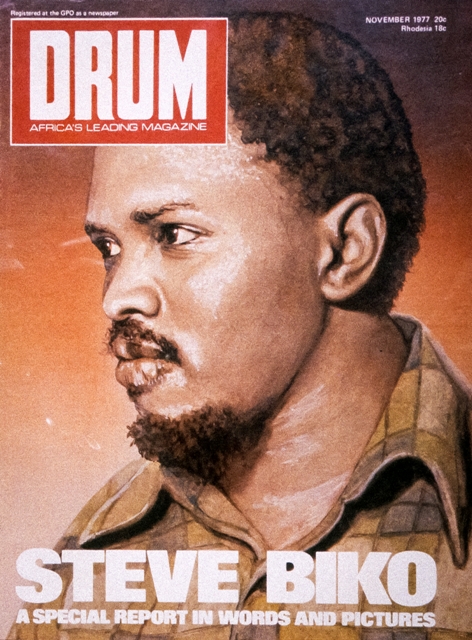
However, Biko soon recognized a fundamental flaw in the structure of NUSAS. He observed that the organization was largely steered by white liberals who, despite their opposition to apartheid, often dominated the discourse and dictated the terms of the struggle. Biko argued that as long as Black students relied on white leadership—even well-meaning leadership—they would remain psychologically dependent on the very system they were trying to overthrow.
Driven by the conviction that Black people needed to lead their own liberation, Biko broke away from NUSAS to form the South African Students’ Organisation (SASO). This move was a definitive statement of independence. By creating a space exclusively for Black students, Biko sought to foster a sense of unity and autonomy, arguing that the first step toward political freedom was the liberation of the mind.
“Black is Gorgeous”: The Philosophy of Psychological Liberation
The core of Biko’s mission was the Black Consciousness Movement (BCM). Unlike previous movements that focused primarily on legislative change or armed struggle, the BCM focused on the “consciousness” of the oppressed. Biko believed that the most potent weapon in the hands of the oppressor was the mind of the oppressed.
He championed slogans such as “Black is beautiful,” which served as more than just a phrase of empowerment; it was a direct challenge to the apartheid state’s narrative of Black inferiority. Biko’s philosophy was rooted in the idea that Black South Africans had to reject the “white” definition of themselves and instead embrace their own heritage, strength, and identity. He famously asserted, “Black man, you are on your own,” emphasizing that the struggle for dignity must be led and won by Black people themselves.
This focus on identity and self-worth resonated deeply with urban Black populations and students. By organizing community programs and promoting self-reliance, Biko helped a generation of South Africans realize that they did not require the permission of the white minority to define their value or their future. This psychological awakening laid the groundwork for the more militant and widespread protests that would characterize the late 1970s.
The Cost of Defiance: Arrest and Martyrdom
The apartheid regime viewed Biko’s influence with growing alarm. His ability to mobilize the youth and instill a sense of unapologetic pride made him a primary target for the security police. Biko was subjected to repeated banning orders, which restricted his movement and prohibited him from speaking to more than one person at a time or being quoted in the press.
The tragedy of Biko’s life reached its zenith in 1977. Following his arrest, he was held in police custody, where he was subjected to brutal torture. On September 12, 1977, Steve Biko died in a police cell in Pretoria Wikipedia. The state initially attempted to cover up the cause of death, but the subsequent inquest and international outcry revealed the horrific reality of his treatment.
Biko’s death did not silence the movement; instead, it amplified it. He became a martyr for the cause of human rights, and his death drew unprecedented international condemnation toward the South African government. The brutality of his killing exposed the visceral hatred and violence underpinning the apartheid system, galvanizing both domestic resistance and global sanctions against the regime.
An Enduring Legacy: From the Streets to the Ballot Box
The impact of Steve Biko extended far beyond his lifetime. While his approach sometimes clashed with the strategies of the African National Congress (ANC)—the primary liberation movement led by figures like Nelson Mandela—the ANC eventually recognized Biko as a hero of the oppressed. His emphasis on Black pride and psychological liberation complemented the ANC’s broader political and diplomatic efforts.
The depth of Biko’s influence was most visible during the transition to democracy. In 1994, when South Africa held its first-ever democratic general election, the image and legacy of Steve Biko were utilized as symbols by the ANC, cementing his place as a foundational figure in the birth of the “Rainbow Nation.”
Today, Biko is remembered not only as a victim of state violence but as a visionary who understood that true freedom is impossible without self-respect. His life serves as a reminder that the most enduring revolutions are those that begin within the human spirit.
Key Takeaways on Steve Biko’s Impact
- Psychological Liberation: Biko shifted the focus of the anti-apartheid struggle from purely political goals to the psychological liberation of Black people.
- Institutional Independence: By founding SASO, he broke the dependency of Black student activists on white liberal leadership.
- Cultural Pride: The “Black is beautiful” movement helped dismantle the internalized inferiority complex created by systemic racism.
- Global Catalyst: His death in police custody in 1977 became a turning point that increased international pressure on the apartheid regime.
- Symbol of Unity: His legacy was eventually embraced by the ANC, symbolizing the collective struggle for a democratic South Africa.
The story of Steve Biko remains a vital case study in the intersection of identity, psychology, and political resistance. As the world continues to grapple with systemic inequality, Biko’s insistence on self-definition and dignity remains profoundly relevant.
The legacy of the Black Consciousness Movement continues to be studied and honored globally, particularly in movements advocating for racial justice and indigenous rights. For those seeking more information on the history of apartheid and the liberation struggle, official archives from the South African government and human rights organizations provide extensive records of the era’s legal and social transformations.
World Today Journal encourages readers to share their thoughts on the enduring relevance of Black Consciousness in today’s global climate. Please leave your comments below or share this article to keep the conversation on human rights alive.
Keep reading