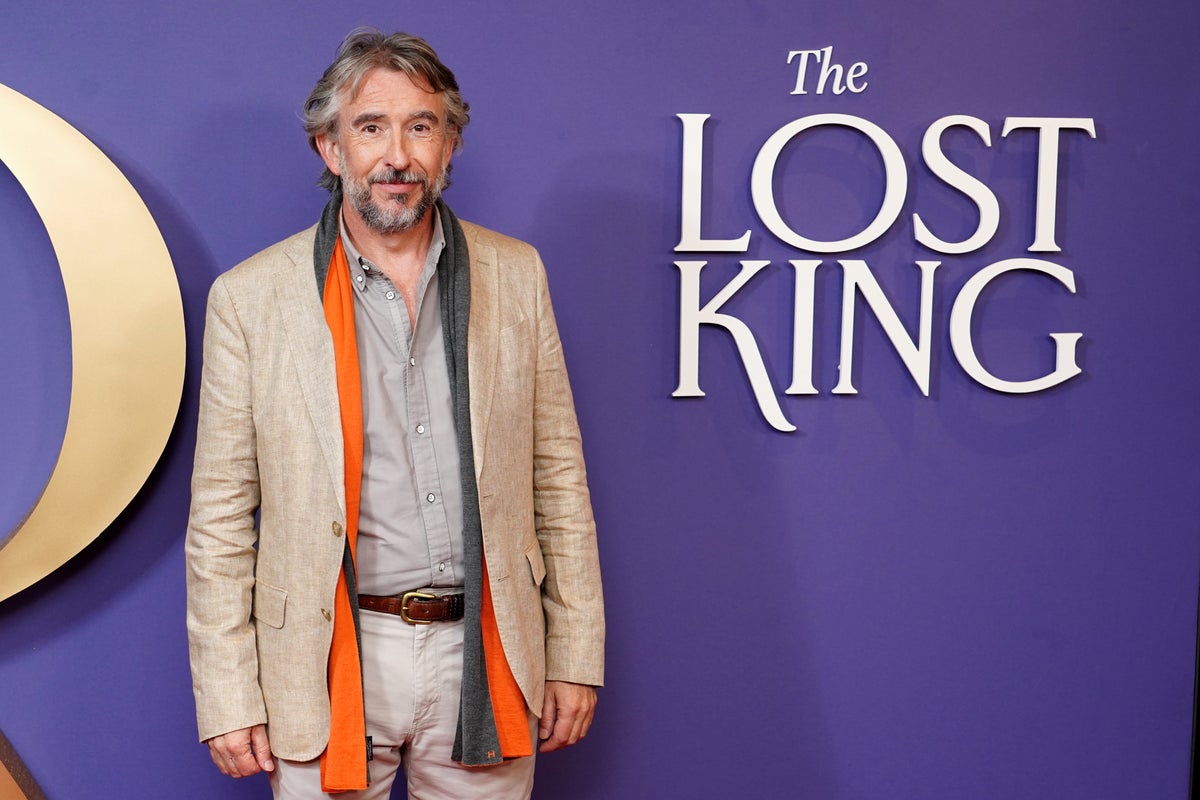
Historian Wins Legal Battle Over Portrayal in “Teh lost King” film
A university historian has successfully concluded a legal dispute concerning his depiction in the film ”The Lost King,” which chronicles the discovery of the remains of King Richard III. the settlement brings closure to a three-year battle initiated after the film’s release, which the historian felt misrepresented his crucial role in the project.
the Discovery & University Involvement
The story began in 2012 with the remarkable unearthing of skeletal remains beneath a Leicester car park.these remains were later confirmed to be those of King Richard III, a pivotal moment in British history. The university of Leicester was instrumental in the endeavor, providing both funding and vital academic expertise.
Specifically, the historian served as the key coordinator for the university’s involvement, a role he felt was unfairly minimized and distorted in the film. He expressed feeling “cross” and “entirely helpless” upon seeing the final portrayal.
The core of the Dispute
The film,starring sally Hawkins,sparked controversy for its narrative choices. The historian argued that the movie inaccurately presented his contributions and the collaborative nature of the archaeological work. He felt the film leaned heavily into a narrative that diminished the extensive academic research and teamwork involved.
Here’s a breakdown of the key points of contention:
* Academic Rigor: The discovery wasn’t solely driven by intuition, as the film suggested, but by meticulous research and collaboration.
* Teamwork: The project involved a vast network of experts, including volunteers, members of the Richard III Society, and academics from numerous international universities.
* University’s Role: The University of Leicester‘s contribution was far more substantial than depicted,providing essential resources and oversight.
A vindication After a Grueling Battle
Following the settlement, the historian described the outcome as a ”success and vindication.” He acknowledged moments of doubt during the legal process, questioning whether he shoudl have initially dismissed the film’s proposal. Ultimately,he believes his decision to support the project was the right one.
“It was a fantastic piece of academic work,” he stated, emphasizing the collaborative spirit and the remarkable nature of the discovery. “I think it’s a truly remarkable discovery, a realy strong piece of teamwork.”
Implications of the Case
The legal victory is being hailed as a “defamation David and goliath moment.” Legal representatives for the historian emphasized the importance of individuals standing up against powerful corporations and personalities when faced with untrue and damaging portrayals.
They noted that the film’s depiction was not only inaccurate but also detracted from the festivity of a meaningful archaeological achievement. This case serves as a reminder that even in the face of substantial resources, truth and accuracy matter.
This outcome underscores the importance of responsible storytelling, particularly when dealing with historical events and the contributions of those involved. It also highlights the power of individuals to challenge misrepresentation and protect their reputations.
Keep reading