
Steven Spielberg’s most successful films share a common thematic anchor: the exploration of the fractured family unit and the quest for reconciliation. While his filmography spans genres from science fiction to historical drama, industry data from Box Office Mojo consistently places his highest-grossing projects—such as E.T. the Extra-Terrestrial and Jurassic Park—within this narrative framework. By centering spectacles on domestic vulnerability, Spielberg has maintained a consistent appeal that has yielded billions in global ticket sales over his five-decade career.
The director’s ability to ground high-concept premises in relatable family dynamics serves as the primary driver for his consistent commercial performance. According to a retrospective analysis by the Academy of Motion Picture Arts and Sciences, this focus allows audiences to process large-scale events, such as alien contact or dinosaur encounters, through the lens of individual emotional stakes. This approach transforms global blockbusters into personal stories, a technique that remains a hallmark of his directorial style.
The Domestic Foundation of Blockbuster Success
At the core of Spielberg’s highest-earning films, including the 1982 classic E.T. the Extra-Terrestrial, is the depiction of a family in transition. In E.T., the narrative focuses on a young boy, Elliott, attempting to process his parents’ separation while forming a bond with an extraterrestrial visitor. This emotional resonance helped the film earn over $792 million worldwide, according to official The Numbers box office archives. The film prioritizes the child’s perspective, a recurring motif that Spielberg has utilized to secure generational appeal.
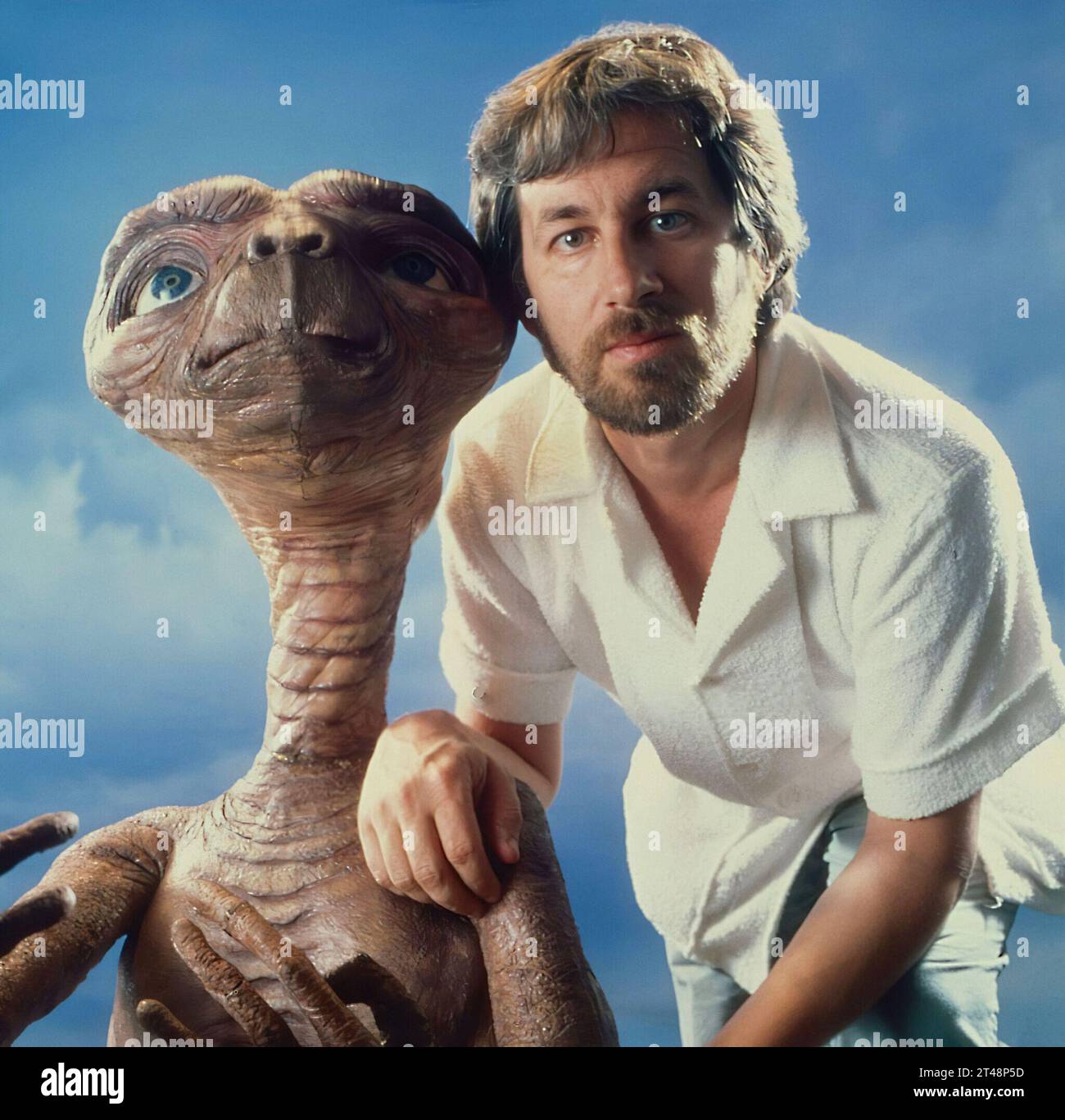
Similarly, 1993’s Jurassic Park, which grossed over $1 billion globally throughout its various theatrical releases, centers on Dr. Alan Grant’s evolving relationship with two children, Lex and Tim, as they navigate a survival scenario. Critics and film historians often note that the “adventure” serves as a backdrop for the characters’ internal development. By placing the stakes within the context of protecting the next generation, Spielberg ensures that the audience’s emotional investment remains high, regardless of the genre’s technical complexity.
Evolving the Father Figure
Beyond the child’s perspective, the “absent or flawed father” figure is a constant in Spielberg’s most lucrative works. This theme is prominently featured in Close Encounters of the Third Kind and Hook, where the protagonist must reconcile his personal responsibilities with his professional or existential pursuits. According to the British Film Institute, these characters often mirror the director’s own experiences with his parents’ divorce, providing a sense of authenticity that resonates with viewers globally.

This recurring trope functions as a bridge between the fantastic and the real. In Catch Me If You Can, a film that earned over $352 million, the entire plot is driven by the protagonist’s desire to reunite his parents and regain the approval of his father. Because these motivations are universally understood, they allow the audience to remain engaged even when the film’s premise deviates from reality. The financial success of these projects suggests that audiences prioritize character-driven conflict over pure spectacle.
Technological Spectacle as Emotional Vehicle
While the family unit provides the emotional core, Spielberg’s mastery of pacing and tension—often referred to as “Spielbergian” in industry vernacular—enhances the scale of his hits. The director’s collaboration with composer John Williams and cinematographer Janusz Kamiński has been instrumental in creating the immersive environments that define these box office successes. As documented by the American Film Institute, the marriage of high-stakes visual effects and intimate character moments creates a unique viewing experience that encourages repeat audiences.
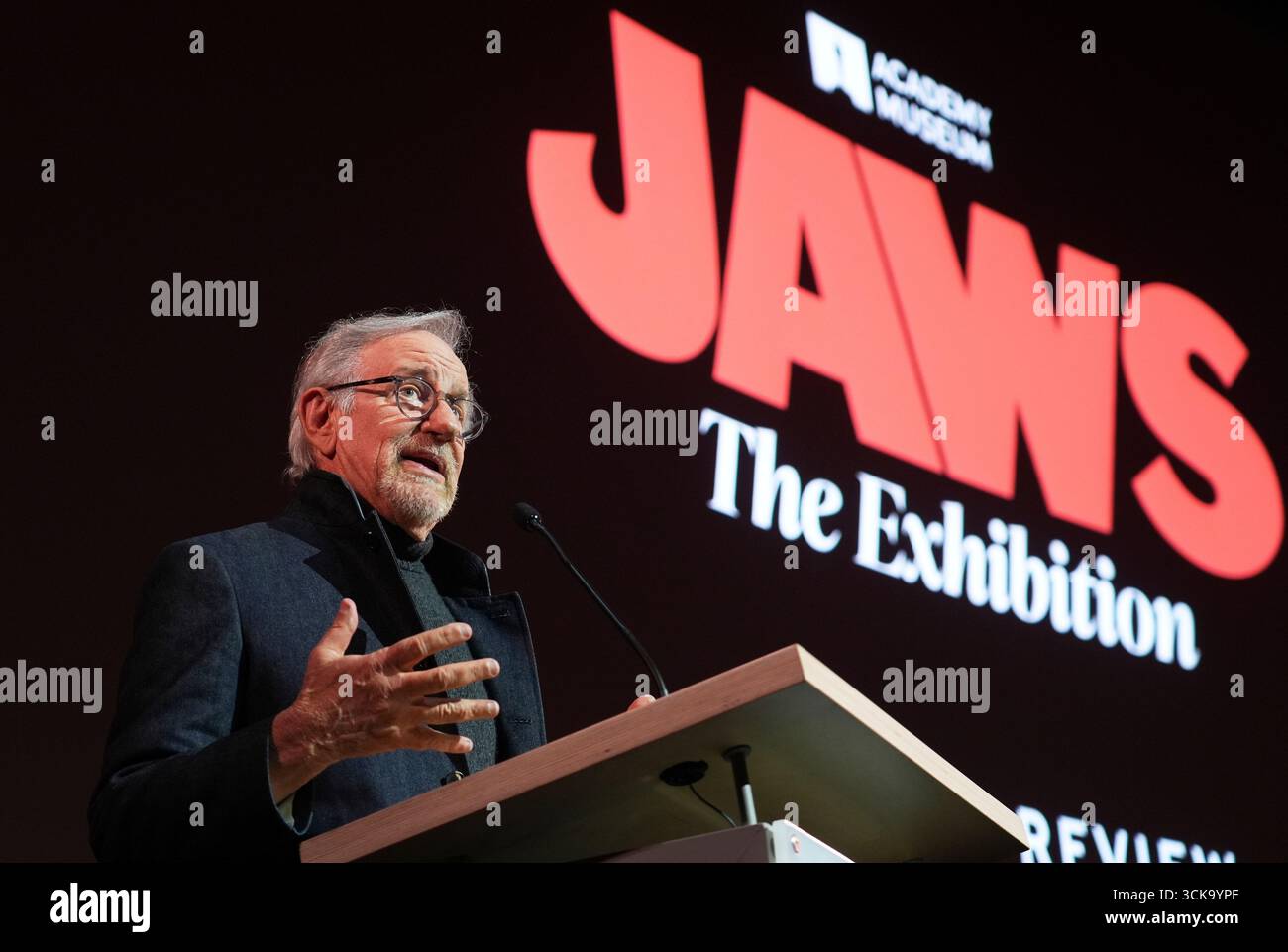
The impact of this strategy is evident in the performance of his later works as well. Even in films like War of the Worlds, which grossed over $600 million, the alien invasion serves as a catalyst for a father, played by Tom Cruise, to reconnect with his estranged children. The reliance on this specific narrative structure demonstrates that Spielberg’s commercial longevity is not solely due to his technical prowess, but his unwavering commitment to the domestic experience. For audiences, the “Spielberg brand” has become synonymous with a specific type of cinematic journey: one where the world may be ending, but the family remains the primary focus.
Future Projections and Industry Impact
As the film industry shifts toward franchise-based content, Spielberg’s influence continues to be analyzed by studios and independent filmmakers alike. The success of his recent projects, including his 2021 adaptation of West Side Story, indicates that his focus on character-driven narratives remains a viable commercial strategy in a changing marketplace. According to The Los Angeles Times, the director’s recent pivot to more autobiographical work, such as The Fabelmans, reflects his ongoing interest in the family unit as the ultimate source of drama and inspiration.
Investors and analysts monitoring the box office will look to the director’s upcoming projects for further evidence of this trend. While no specific release date for his next feature has been finalized as of this week, industry reports suggest he remains in active development on multiple scripts. Readers interested in following updates on his upcoming film slate can monitor the Academy of Motion Picture Arts and Sciences official announcements or major trade publications for the latest production filings. Your thoughts on the evolution of the Spielberg family dynamic are welcome in the comments section below.
Keep reading