Global Markets Rally Amidst Tentative Calm in the Strait of Hormuz
Following a period of heightened anxiety surrounding potential disruptions to global oil supplies, stock markets across Europe and the United States experienced a second consecutive day of gains. Investor sentiment, whereas still cautious, appears to be buoyed by indications of limited, albeit covert, traffic continuing through the strategically vital Strait of Hormuz. The initial shockwaves from recent US-Israel military actions have begun to subside, though the underlying geopolitical risks remain substantial. This cautious optimism is unfolding against a backdrop of fluctuating macroeconomic data and ongoing concerns about the potential for escalating conflict in the Middle East, creating a complex landscape for investors.
The recent volatility underscores the interconnectedness of global markets and the sensitivity to events in key geopolitical hotspots. While the immediate threat to oil shipments appears to have lessened, the situation remains fluid and subject to rapid change. Analysts suggest that market movements are anticipating potential future disruptions, rather than reacting solely to current conditions. This proactive positioning, coupled with attractive valuations, is drawing some investors back into the market, creating a potential entry point for new capital. The delicate balance between geopolitical risk and economic opportunity is currently defining market behavior.
Strait of Hormuz: A Critical Chokepoint
The Strait of Hormuz, a narrow waterway separating Iran and Oman, is one of the world’s most important energy transit routes. Approximately one-fifth of global seaborne crude oil, one-fifth of liquefied natural gas (LNG) shipments, and roughly one-third of global urea fertilizer trade pass through this critical chokepoint. Disruptions to this vital artery could have severe consequences for the global economy, potentially leading to significant price increases for energy and fertilizer, exacerbating existing cost-of-living pressures.
Recent reports indicate that while shipping through the Strait of Hormuz has effectively closed following the US-Israel attacks, some vessels are attempting to navigate the waterway, often disabling their transponders to avoid detection. This suggests a degree of Iranian control over the strait, but also a willingness to allow limited passage. The Commonwealth Bank of Australia’s head of global economics, Joseph Capurso, warned that the situation is likely to escalate before it de-escalates, and that Iran’s military capabilities, though reportedly degraded, still pose a significant threat to global oil supplies.
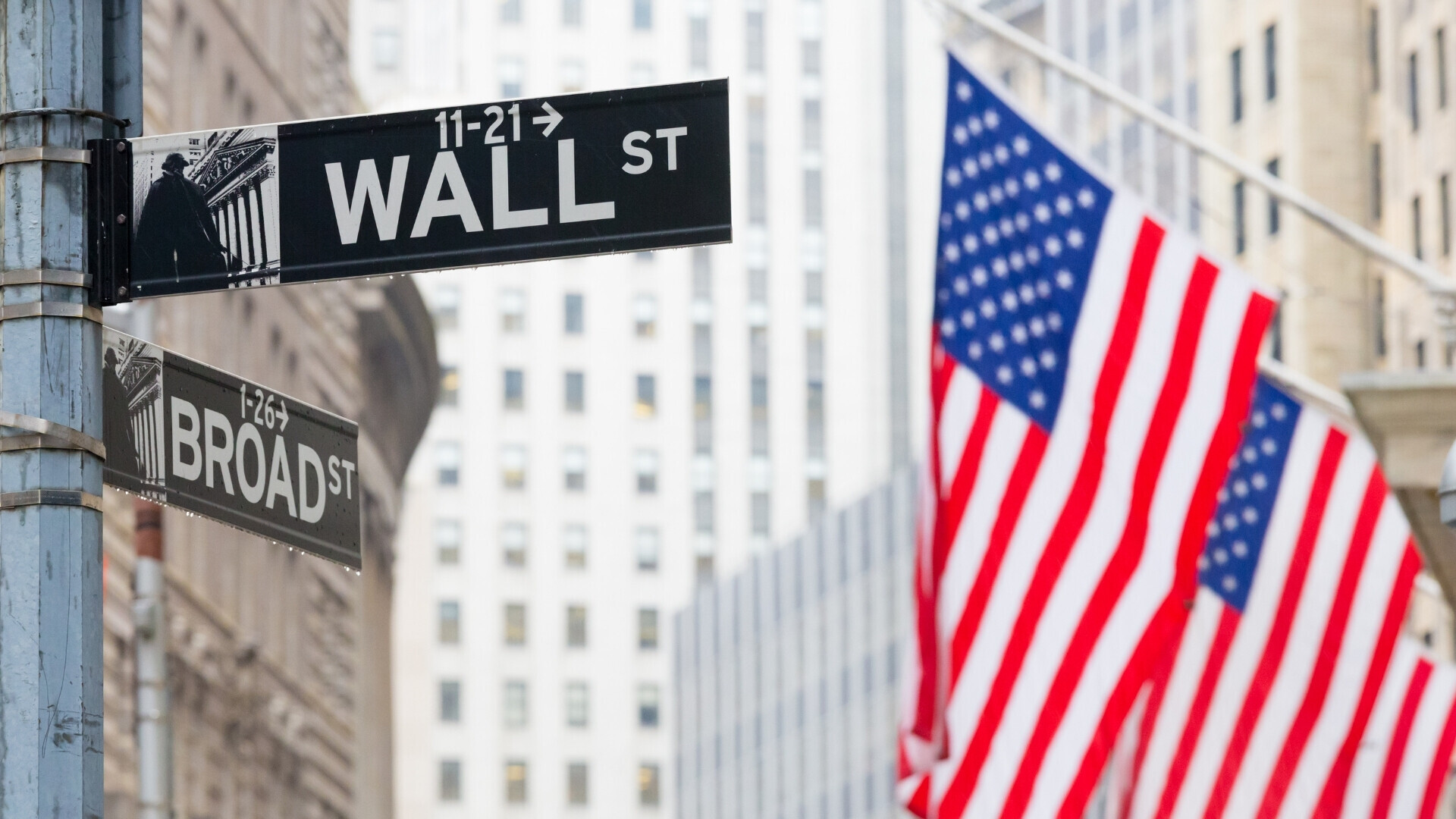
Wall Street and European Markets Respond
Despite the ongoing geopolitical tensions, both Wall Street and European markets demonstrated resilience on Tuesday, March 17, 2026. The Nasdaq Composite rose by 0.3%, while the S&P 500 also gained 0.3%. In Europe, the Stoxx 600 index increased by 0.7%, with utility and energy companies leading the gains, rising by 1.4% and 2.2% respectively. The automotive sector also performed well, increasing by 1.4%.
The FTSE Mib index in Milan saw a more substantial increase, climbing 1.4%. Leading the gains were Tenaris (+4%), Eni (+3.7%), and Stellantis (+3.7%). However, Amplifon experienced a significant downturn, with trading suspended after a drop of approximately 8.4%, reaching a ten-year low. This highlights the uneven impact of geopolitical events on individual companies and sectors.
Macroeconomic Factors and Market Influences
Market movements are not solely driven by geopolitical events. Macroeconomic data also plays a crucial role. Last week, the US private sector added 9,000 jobs, a figure lower than the previously reported 14,750. This suggests a potential slowdown in the US labor market, which could influence the Federal Reserve’s monetary policy decisions.
Bond yields also experienced slight shifts. The yield on the 10-year US Treasury note fell by 1 basis point to 4.20%, while the yield on the Italian BTP (Buoni del Tesoro Poliennali) decreased from 3.72% to 3.67%. Commodity prices also saw movement, with West Texas Intermediate (WTI) crude oil rising by 2% to $95.50 per barrel and European gas prices increasing by 2%. Gold remained relatively stable, trading above $5,000. The Euro strengthened against the dollar, reaching 1.153, while Bitcoin experienced a slight decline of 0.4%.
Individual Stock Movements
Several individual stocks experienced notable movements. Delta Air Lines saw a 5% increase after raising its revenue growth forecast for the first quarter. Eli Lilly, however, declined by 1.7% following a downgrade from HSBC, which cited concerns about the overall valuation of the obesity drug market. Honeywell International fell by 1.5% after its CEO, Vimal Kapur, cautioned that a potential US-Iran conflict could negatively impact first-quarter revenues.
Mastercard announced the acquisition of BVNK, a stablecoin infrastructure startup, for approximately $1.8 billion. Nvidia continues to attract investor attention, with CEO Jensen Huang predicting that orders for Blackwell and Vera Rubin chips could reach $1 trillion by 2027. Qualcomm rose by 2% following the announcement of a share buyback program and an increased dividend. Finally, Uber experienced a 5% gain after announcing a partnership with Nvidia on robotaxi technology.
Looking Ahead
The situation in the Strait of Hormuz remains highly volatile and unpredictable. The recent statement from Mojtaba Khamenei, Iran’s Supreme Leader, following the death of Ali Larijani, indicating that the US and Israel must be defeated, underscores the potential for further escalation. Investors are closely monitoring developments in the region, and market sensitivity is likely to remain high in the coming days and weeks.
The next key event to watch will be any further statements from Iranian officials regarding their intentions for the Strait of Hormuz, as well as any potential responses from the US and Israel. Market participants will also be closely scrutinizing upcoming economic data releases, particularly inflation figures and employment reports, for clues about the future direction of monetary policy.
We encourage our readers to share their perspectives on these developments and to engage in constructive discussion in the comments section below. Your insights are valuable as we navigate this complex and evolving global landscape.
Worth a look