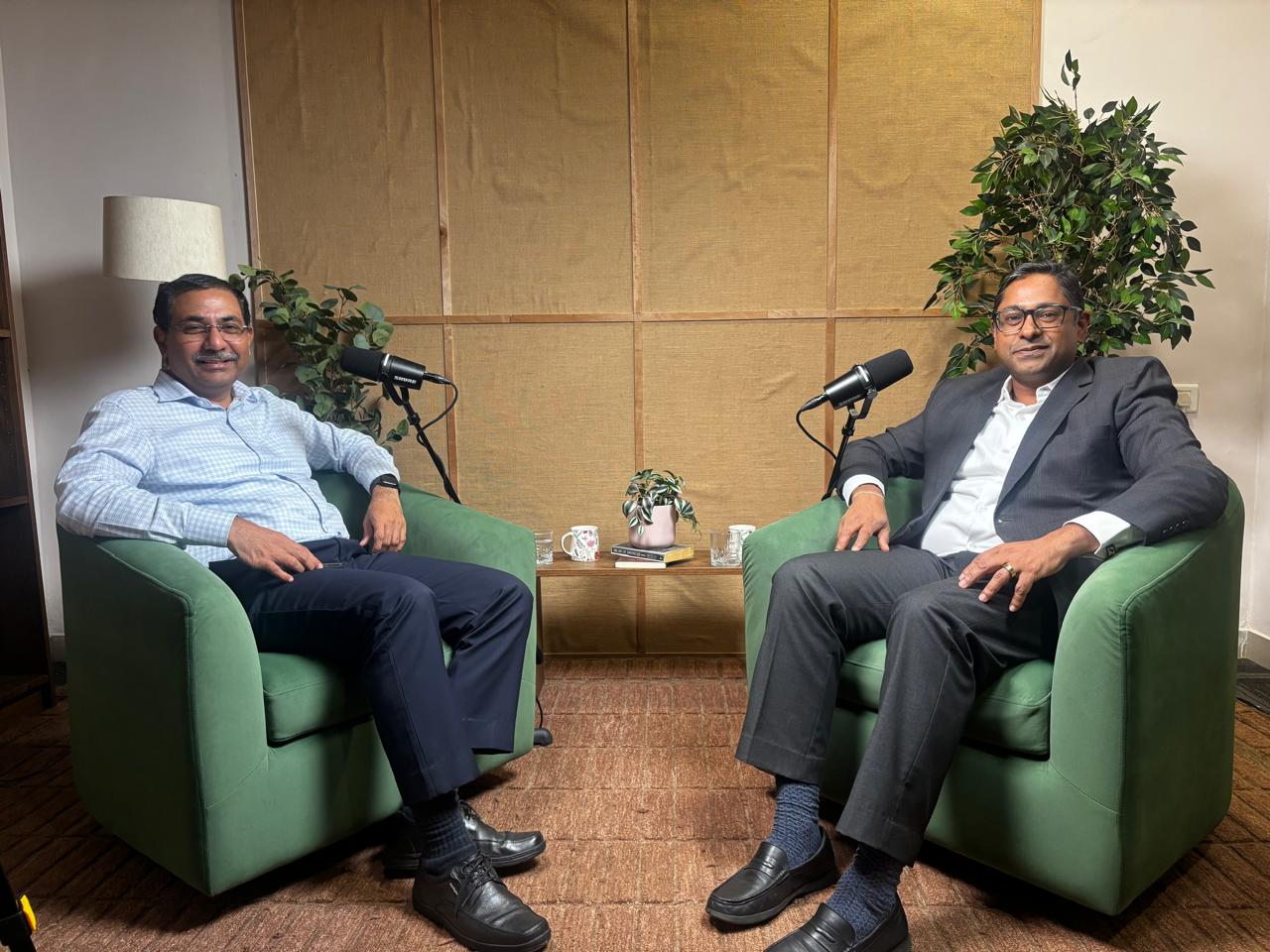
Key Takeaways from the Podcast with Arvindakrishnan,CTO of Asia Healthcare Holdings:
This podcast with arvindakrishnan offers a surprisingly pragmatic and financially-focused viewpoint on healthcare technology investment. Here’s a breakdown of the key points:
* Foundational Systems First: Investors prioritize operational clarity and robust foundational systems (HIS, clean revenue cycle, real-time data access) above flashy AI or advanced clinical tools. Weak foundations negate the value of advanced tech and increase risk.
* Value Extraction is Key: Many hospitals aren’t even maximizing the value of their existing systems. Layering AI on broken workflows is seen as inefficient, not innovative.
* The 25/8 Imperative: Healthcare needs to operate 25/8 – continuous operation beyond human limitations. Margin is lost in the gaps when processes pause outside of working hours.
* Automation as “EBITDA Insurance”: Automation (claims processing, scheduling, pharmacy management, capacity optimization) isn’t a futuristic goal, but a structural necessity to reduce reliance on human inconsistency, protect margins, and provide stability – highly valued by investors.
* Digital Hygiene is expected: Basic digital capabilities (functioning HIS, interoperability, cybersecurity, standardized workflows) are now considered entry criteria for investment, not differentiators. Lack of these lowers valuation.
* Future Valuation Drivers (by 2030): The next wave of valuation increases will come from invisible infrastructure – integrated operational platforms, predictive capacity management, intelligent scheduling, and systems that eliminate revenue leakage – rather than visible gadgets like AI diagnostics.
* Anti-Immaturity, not Anti-technology: Arvindakrishnan isn’t against technology, but against investing in advanced tools before establishing a solid operational foundation.
In essence, the podcast argues that hospitals should focus on operational resilience and efficiency before chasing the latest technological trends.The biggest gains in valuation will come from streamlining processes and automating tasks, not from implementing cutting-edge but unsupported technologies.
Worth a look