
For years, the tension between personal privacy and national security has played out on the screens of our smartphones. For many iPhone users, the device in their pocket is seen as a fortress of encryption, a secure vault for messages, photos, and professional data. However, recent advisories and historical legal battles suggest that the boundary between “secure” and “accessible” is thinner than many realize.
In early April 2026, the Federal Bureau of Investigation (FBI) issued urgent warnings to smartphone users regarding the risks of data harvesting. These alerts highlight a critical vulnerability not in the hardware itself, but in the third-party software users willingly install. When combined with the long history of government attempts to bypass device encryption, these developments raise a fundamental question: how much of our digital life is truly private?
As a software engineer turned journalist, I have watched the evolution of mobile security from the early days of iOS. The current landscape is a complex tug-of-war. On one side, companies like Apple implement rigorous cryptographic protections; on the other, law enforcement agencies argue that these protections create “going dark” scenarios where critical evidence is permanently lost. The reality for the average user is that security is often a matter of configuration and caution rather than a guaranteed state of being.
The Modern Threat: Data Harvesting and Dangerous Apps
While much of the public discourse focuses on government “backdoors,” the FBI has recently shifted its attention toward the apps that users download daily. On April 8, 2026, the FBI warned iPhone and Android users to stop apps from tracking their data, noting that some applications are harvesting significantly more information than users realize according to reports from Forbes.
This warning follows an even earlier alert on April 6, 2026, in which the FBI cautioned U.S. Users against installing certain popular apps described as “dangerous” as detailed by Forbes. This suggests that the primary leak in smartphone security today is often not a failure of encryption, but a failure of permissions. When a user grants an app access to their notifications, contacts, or location, they are essentially creating a legal doorway for that data to be extracted and stored on external servers.
For those concerned about the privacy of their messenger chats, this is a critical point. Even if a messaging app uses end-to-end encryption—meaning the company cannot read the content of the messages—the metadata and the notifications themselves can be a goldmine for data harvesters. If an app has permission to read notifications, it may be able to capture snippets of messages as they arrive, bypassing the encryption of the chat itself.
The Legal Battle: Apple vs. The FBI
The current warnings from the FBI exist within the context of a storied and contentious relationship between the agency and Apple Inc. The most prominent example of this friction occurred during the 2015–2016 encryption dispute, which centered on the limits of judicial power to compel tech manufacturers to assist in unlocking devices.
The dispute was triggered by a December 2015 terrorist attack in San Bernardino, California, which resulted in 14 deaths and 22 injuries via Wikipedia. During the investigation, the FBI recovered a function-issued iPhone 5C belonging to one of the attackers. While the phone was intact, it was protected by a four-digit passcode and a security feature designed to eliminate all data after ten failed password attempts via Wikipedia.
The FBI sought to compel Apple to create a latest version of the iOS software that would bypass this security measure, effectively removing the “auto-erase” function and allowing the agency to attempt passcodes without the risk of wiping the device. To do this, the government relied on the All Writs Act of 1789, a broad piece of legislation that allows courts to issue orders necessary to effectuate their judgments via Wikipedia.
Apple declined the request, arguing that creating such software would set a dangerous precedent and jeopardize the security of all iPhone users by creating a “backdoor” that could be exploited by malicious actors. This legal standoff highlighted a core conflict in modern technology: the balance between the right to a secure, private device and the needs of criminal investigations.
Understanding the Technical Vulnerabilities
To understand why these disputes happen, it is necessary to understand how smartphone security actually works. Modern iPhones use a combination of hardware-based encryption and software-level passcodes. The data is cryptographically protected, meaning it is scrambled into a format that can only be read with the correct key—which, in the case of the iPhone 5C, was tied to the user’s passcode.
When the FBI asked Apple to “write new software,” they were essentially asking for a tool to disable the security logic of the operating system. This is distinct from “breaking” the encryption itself; rather, it was an attempt to bypass the gatekeeper that prevents the encryption from being cracked through brute-force attacks.
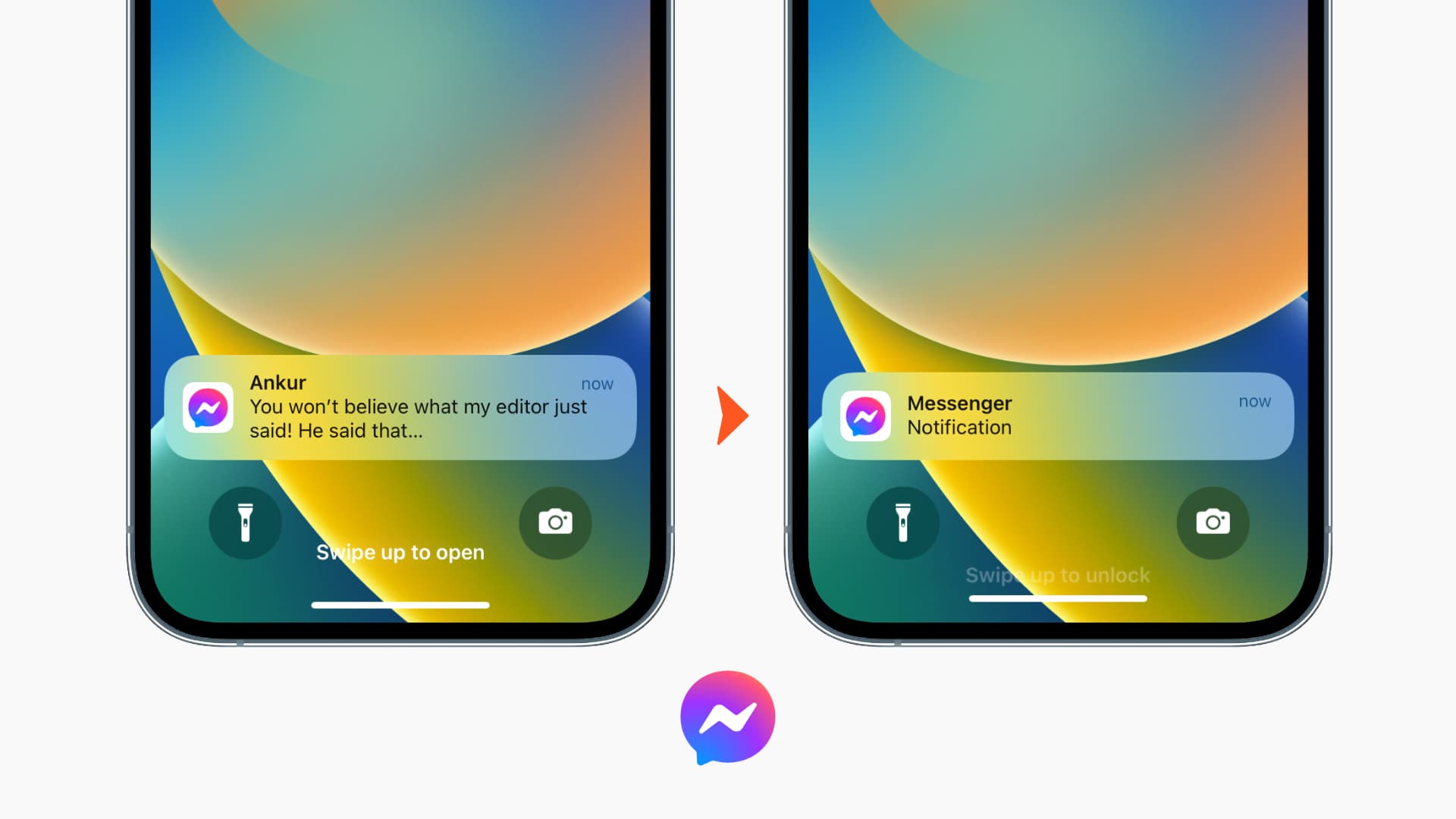
However, while the core OS may be secure, the “ecosystem” around it is often more porous. This brings us back to the April 2026 FBI warnings. Data harvesting occurs when apps use legitimate system permissions to collect information. For example, if a user enables “Show Previews” for notifications on their lock screen, anyone with physical access to the phone can read incoming messages without needing a passcode. Apps with broad permissions may track user behavior and data in ways that are not immediately apparent to the consumer.
How to Enhance Your Device Privacy
- Audit App Permissions: Regularly review which apps have access to your notifications, microphone, camera, and location in the iOS Settings menu.
- Manage Notification Previews: Set your notifications to “When Unlocked” to ensure that sensitive message snippets are not visible on the lock screen.
- Avoid Unverified Apps: Follow current advisories, such as those issued by the FBI in April 2026, to avoid installing apps known for excessive data harvesting.
- Use Strong Passcodes: Move beyond the four-digit passcode to a complex alphanumeric password to make brute-force attacks significantly more difficult.
The Broader Impact on Global Users
The implications of the Apple-FBI dispute and the subsequent data harvesting warnings extend far beyond the United States. For a global audience, these events signal a shift in how digital sovereignty is viewed. If a government can compel a company to rewrite software to access a single device, the precedent could be adopted by regimes with far less regard for human rights or due process.

the rise of “dangerous apps” indicates that the threat is no longer just from state actors, but from commercial entities that treat personal data as a commodity. The FBI’s recent warnings serve as a reminder that the strongest encryption in the world is useless if the user inadvertently grants a third-party app permission to scrape that data from the device’s interface.
| Event/Date | Core Issue | Outcome/Status |
|---|---|---|
| Dec 2015 – 2016 | San Bernardino iPhone 5C Dispute | Apple refused to create bypass software; dispute centered on All Writs Act. |
| April 6, 2026 | FBI “Dangerous Apps” Alert | Warning issued against installing specific high-risk apps. |
| April 8, 2026 | FBI Data Tracking Warning | Alert for users to stop apps from harvesting excessive data. |
As we move further into 2026, the responsibility for security is increasingly shared between the manufacturer and the user. Apple provides the tools for encryption, but the user must manage the permissions. The “fortress” of the iPhone is only as strong as the gates the user chooses to open.
While there are no currently scheduled court hearings regarding the 2016 encryption dispute, the ongoing issuance of security advisories by the FBI suggests that the battle over smartphone data is far from over. Users should remain vigilant and keep their software updated to the latest versions to ensure they have the most current security patches.
Do you prioritize total privacy or the ability for law enforcement to access data in extreme cases? Share your thoughts in the comments below and share this article with others to help them secure their devices.