Norway‘s Potential Role in Ukraine’s Future security: A Deep Dive
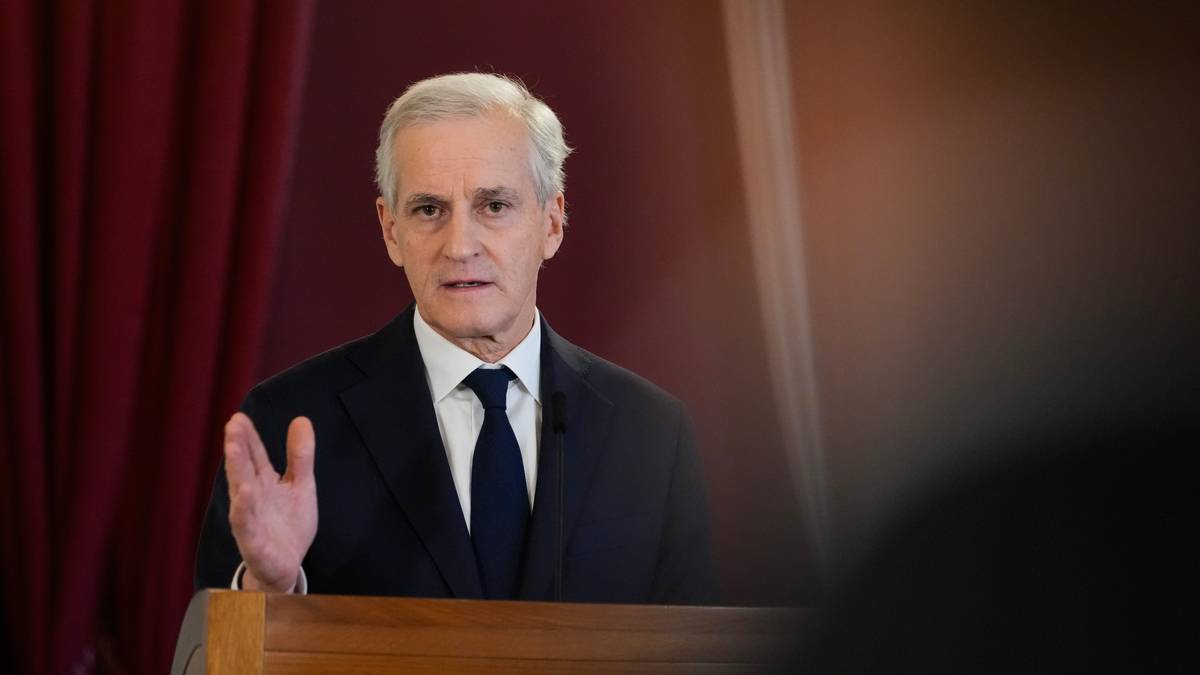
The question of Ukraine’s long-term security is paramount as the conflict evolves. Recently, on january 6th, 2026, Norwegian Prime Minister jonas Gahr Støre indicated that Norway is prepared to contribute troops to a security force in Ukraine once a credible peace agreement is established.This statement, made during a meeting of the “coalition of willing” in Paris, signals a notable potential shift in Norway’s involvement and warrants a closer examination of the context, implications, and broader international efforts surrounding Ukraine security guarantees.
Understanding the Current Landscape
The core of the discussion revolves around providing Ukraine with robust security assurances that extend beyond immediate military aid. While bolstering Ukraine’s own defense capabilities remains the priority,the concept of an international security force is gaining traction. This isn’t about replacing the Ukrainian military; it’s about supplementing it and providing a stabilizing presence during and after a potential ceasefire.
Did You Know? Norway has been a consistent supporter of Ukraine, providing substantial financial and military aid as the start of the conflict. This commitment extends to training Ukrainian soldiers on Norwegian soil.
Currently, the focus is on building a framework of bilateral and multilateral agreements. These agreements would outline specific commitments from partner nations, potentially including military assistance, intelligence sharing, and economic support. Though, the effectiveness of these guarantees hinges on several factors, including the nature of the peace agreement and the willingness of participating nations to uphold their commitments.
Norway’s Proposed Contribution: A Security Force Role
Prime Minister Støre’s statement clarifies that Norway’s contribution would be contingent on a “credible ceasefire.” this is a crucial caveat.Deploying troops into an active conflict zone would be irresponsible and counterproductive. Rather, the envisioned role is that of a stabilizing force, potentially involved in:
* Monitoring and Verification: Ensuring compliance with ceasefire terms.
* Security Sector Reform: Assisting in the rebuilding and modernization of Ukraine’s security institutions.
* Border Security: helping to secure Ukraine’s borders and prevent the flow of arms and personnel.
* Humanitarian Assistance: Facilitating the delivery of aid to affected populations.
Pro Tip: Understanding the distinction between “security guarantees” and “security assurances” is vital.guarantees typically imply a legal obligation to intervene militarily, while assurances are more politically binding.
The scale and scope of norway’s contribution remain to be determined. It’s likely to be a relatively modest deployment, focusing on specialized capabilities such as engineering, logistics, or training. Though, even a small contribution can be symbolically critically important, demonstrating Norway’s continued commitment to Ukraine’s sovereignty and territorial integrity.
The Broader International Effort: Security Guarantees for ukraine
Norway is not acting in isolation. The “coalition of willing” – comprising countries like the UK, France, Germany, and the US – is actively working to develop a extensive security architecture for Ukraine.This involves:
* Bilateral Agreements: Individual nations offering specific security commitments to Ukraine.
* Multilateral Frameworks: Establishing a collective security arrangement, potentially under the auspices of NATO or a new international body.
* Long-Term Defense Aid: Providing sustained military assistance to help Ukraine modernize its armed forces.
Strategic Question: What level of commitment from key international players is truly necessary to deter future aggression against Ukraine?
The challenge lies in finding a formula that is both credible and acceptable to all parties involved. Russia is likely to view any security guarantees as a threat, while Ukraine will demand assurances that are strong enough to deter future attacks.
Real-World Applications & Case Studies
looking at ancient precedents, the role of international security forces in post-conflict stabilization can be complex. The experiences in the balkans and Afghanistan demonstrate the challenges of maintaining peace and security in fragile environments.
Case Study: Bosnia and Herzegovina (1995-2004) – The NATO-led Implementation Force (IFOR) and subsequent Stabilization Force (SFOR) played a crucial role in enforcing the Dayton Agreement and stabilizing Bosnia and Herzegovina