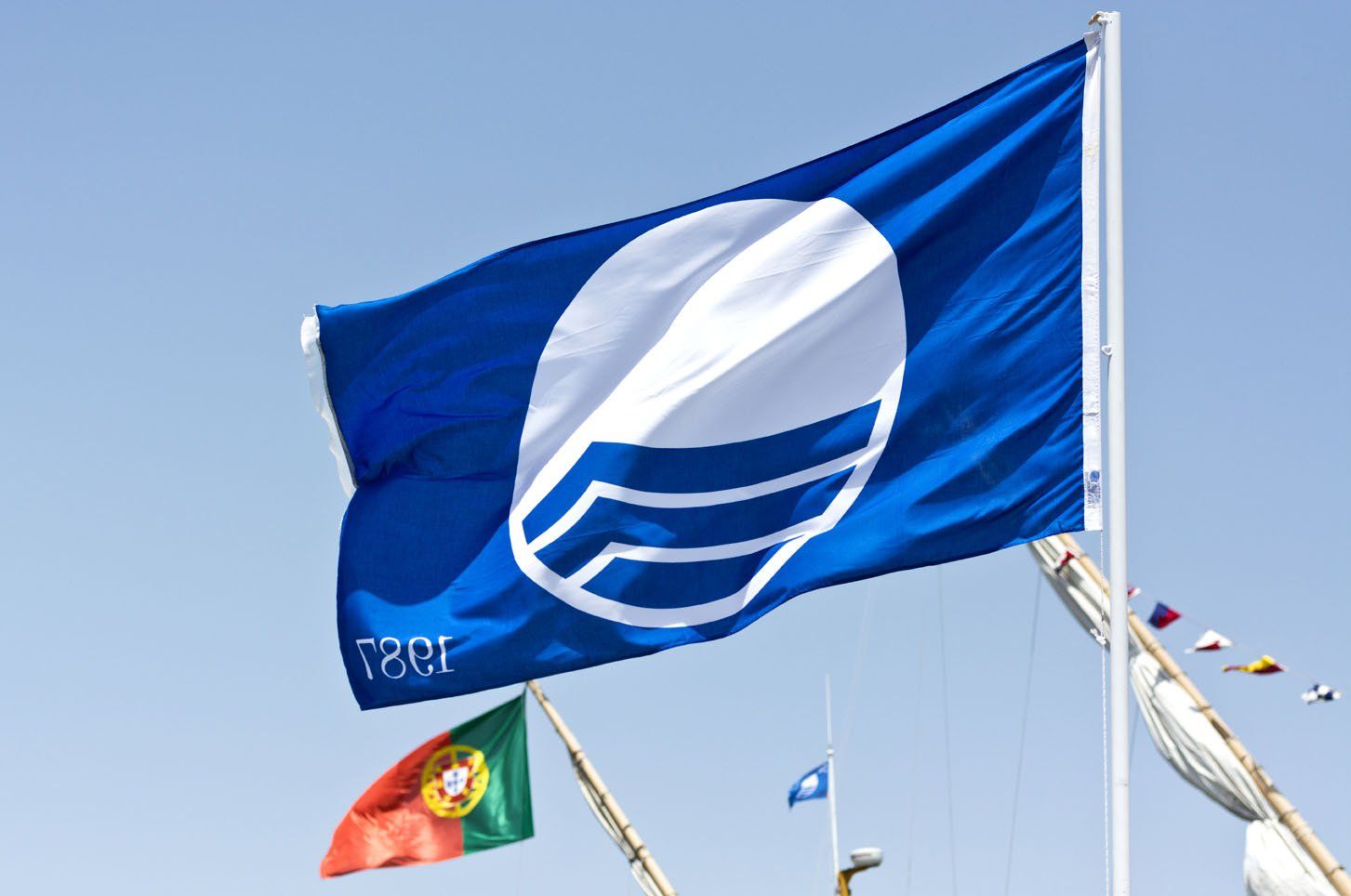
Portugal’s river beaches are officially preparing for the upcoming summer season with the Blue Flag designation, a significant milestone following extensive recovery efforts necessitated by the damage caused by Storm Kirk—often referred to in regional reporting as Storm Kristin—which battered the country’s central and northern districts in late 2023 and early 2024. Municipalities across the territory have worked to clear debris, repair damaged infrastructure, and restore safety features at these inland swimming areas, ensuring they meet the stringent environmental and accessibility criteria mandated by the Foundation for Environmental Education (FEE). According to the Blue Flag Association of Europe (ABAE), the certification serves as a global benchmark for water quality, safety, and sustainable management in coastal and inland bathing zones.
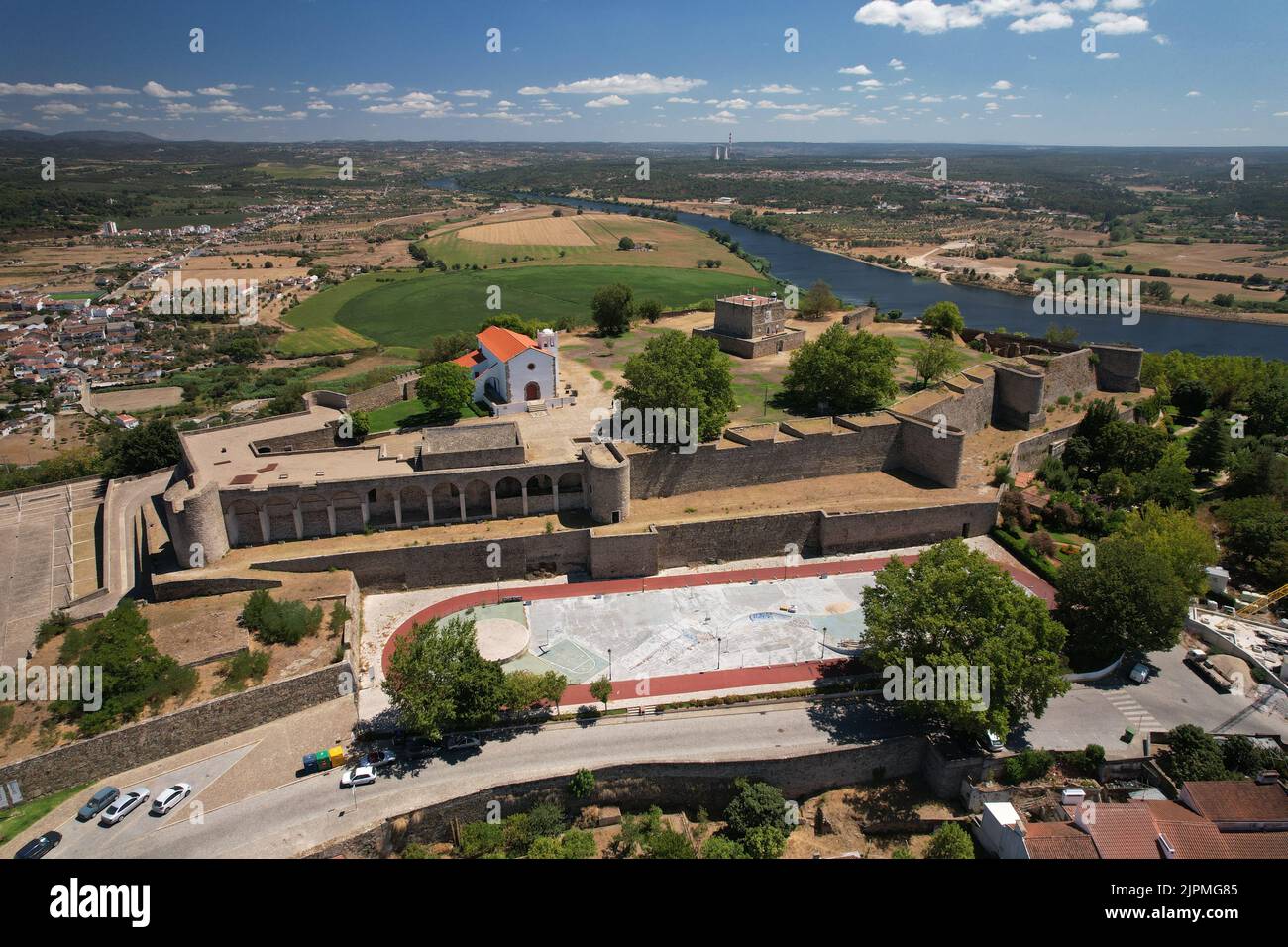
The restoration of these sites holds particular importance for local tourism and regional ecosystems, as river beaches have become essential summer destinations for domestic and international travelers alike. Following the severe weather events that impacted infrastructure in municipalities such as Abrantes and other river-adjacent districts, local authorities, including Mayor Manuel Jorge Valamatos, prioritized the rehabilitation of aquatic zones to maintain their ecological integrity. The recovery process has involved sediment removal, the restoration of wooden walkways, and rigorous water quality testing to ensure compliance with the Portuguese Environment Agency (APA), which oversees national bathing water standards.
Restoring Infrastructure After Storm Damage
The path to regaining the Blue Flag status was complicated by the physical toll taken by the winter storms. High-intensity rainfall and subsequent river flooding caused significant erosion at several popular river beaches, damaging facilities ranging from picnic areas to lifeguard stations. In the municipality of Abrantes, local officials reported that maintenance crews worked through the spring to address structural compromises caused by the severe weather. This work was essential not only for public safety but for meeting the specific requirements of the Blue Flag program, which mandates that all facilities must be fully operational and accessible to the public before the official bathing season begins.
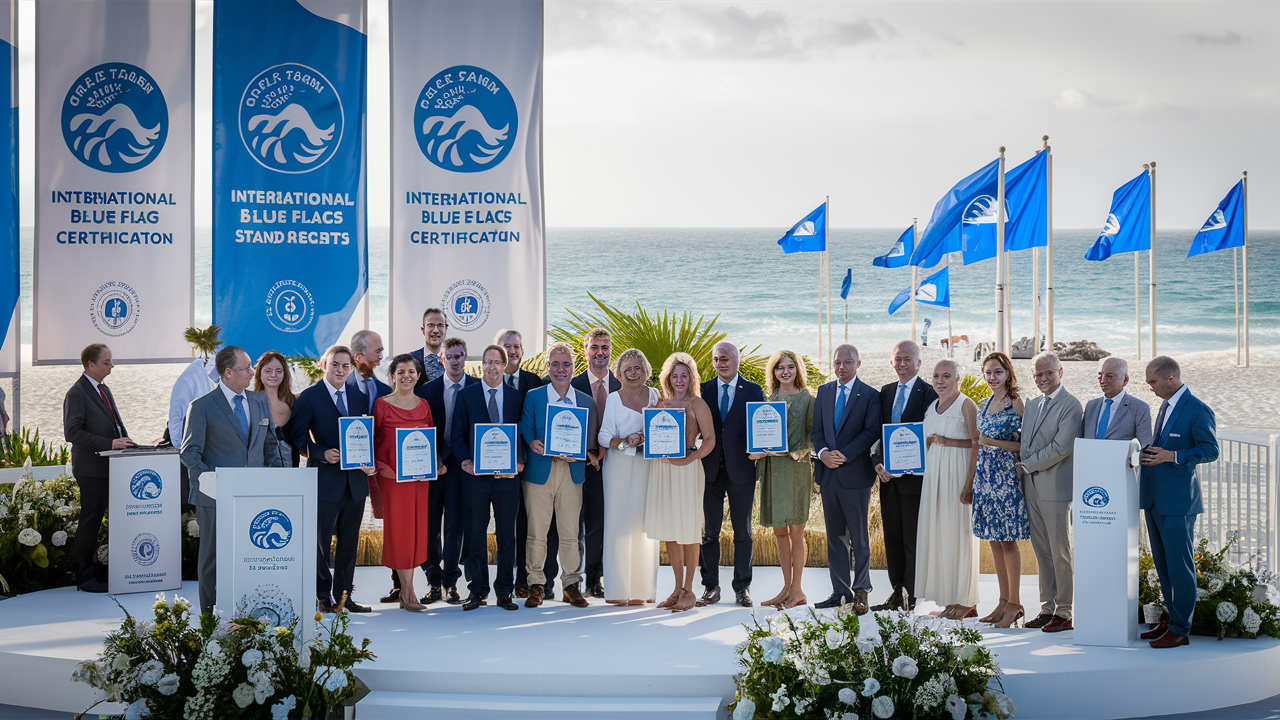
The recovery efforts were supported by national environmental guidelines, which require municipalities to demonstrate that water quality has not been negatively impacted by runoff or sewage overflow resulting from storm-related damage. The Portuguese Environment Agency conducts regular monitoring of these inland waters, and the restoration projects were aligned with these findings to prevent the loss of the prestigious environmental label. By focusing on sustainable reconstruction, local councils have aimed to make these river beaches more resilient to future extreme weather events, acknowledging the changing climate patterns that affect the Tejo and Zêzere river basins.
What the Blue Flag Certification Means for Visitors
For the average visitor, the presence of a Blue Flag at a Portuguese river beach serves as a guarantee of quality. The certification is not permanent; it must be earned annually through a transparent, audited process. To maintain this status, beaches must provide high-quality bathing water, maintain clean facilities, and offer comprehensive lifeguard services during designated hours. The Foundation for Environmental Education emphasizes that the award is also a commitment to environmental education, requiring that beaches promote local biodiversity and sustainable practices to those who visit.
The return of these beaches to the Blue Flag list is expected to bolster local economies that rely on summer tourism. Beyond the economic impact, the restoration projects have allowed for improvements in accessibility, with many municipalities updating ramps and pathways to ensure that individuals with reduced mobility can safely enjoy the riverfront. As the 2024 season approaches, visitors are encouraged to consult the official National Water Resources Information System (SNIRH) for real-time updates on water quality and any remaining advisories in specific districts.
Next Steps for Portugal’s Bathing Season
While the Blue Flag status signals that the majority of repairs are complete, the monitoring of river health remains a continuous process. Municipalities will continue to perform weekly water sampling throughout the summer months to ensure that the standards required by the environmental authorities are upheld. Any deviations in water quality—often caused by unexpected heavy rainfall—will be communicated locally via signage and official municipal portals.

The official start of the bathing season in Portugal typically begins in mid-June and extends through September, depending on the specific region. Residents and tourists planning visits to the interior river beaches should monitor local municipal announcements for specific opening dates and lifeguard duty schedules. We welcome our readers to share their experiences visiting these restored locations in the comments section below, or to join the conversation on our social media channels as we track the progress of this year’s summer season.
Related reading