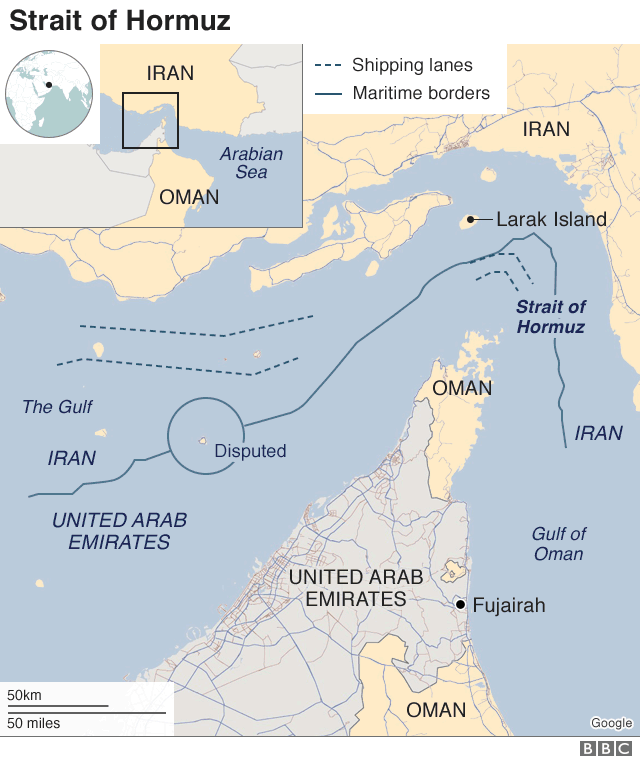
Iranian military officials have declared they have regained control of the Strait of Hormuz, according to reports from Dutch news outlet NU.nl on April 18, 2026. The announcement comes amid escalating tensions with the United States over maritime security in the critical waterway, through which approximately 20% of global oil trade passes. Iranian authorities stated that their naval forces had successfully countered what they described as an ongoing U.S. Blockade attempt, restoring normal navigation for commercial vessels.
The claim follows days of conflicting reports about access to the strait, with some Iranian state media suggesting the waterway had been reopened to all commercial shipping, whereas others indicated continued restrictions in response to U.S. Actions. Dutch shipping associations have urged for clear guarantees regarding vessel safety, citing concerns over potential delays and insurance complications for tankers and cargo ships transiting the region.
To understand the context of these developments, it is essential to verify the current situation through authoritative sources. The U.S. Central Command issued a press release on April 17, 2026, confirming that American forces are maintaining a maritime presence in the Gulf of Oman and monitoring approaches to the Strait of Hormuz, but did not confirm an active blockade of Iranian ports. The statement emphasized that U.S. Operations are focused on ensuring freedom of navigation and deterring threats to commercial shipping, in accordance with international maritime law.
Meanwhile, Iran’s Islamic Revolutionary Guard Corps Navy (IRGCN) has conducted regular patrols in the strait, asserting its right to regulate traffic under its interpretation of regional security responsibilities. Iranian officials have repeatedly accused the U.S. Of attempting to strangle Iran’s economy through sanctions and naval pressure, particularly targeting oil exports that transit the strait. These claims have been echoed in statements from Iran’s Ministry of Foreign Affairs, which framed the U.S. Presence as unlawful interference in regional affairs.
Independent maritime tracking data from Lloyd’s List Intelligence shows no significant reduction in commercial vessel transits through the Strait of Hormuz over the past 72 hours, with average daily crossings remaining consistent with pre-tension levels at approximately 85 to 95 ships per day. This suggests that, despite rhetorical escalations, practical access for international shipping has not been substantially disrupted as of April 18, 2026.
The Strait of Hormuz, located between Oman and Iran, connects the Persian Gulf to the Gulf of Oman and the Arabian Sea. It is 21 nautical miles wide at its narrowest point, with shipping lanes just two miles wide in each direction separated by a two-mile buffer zone. Its strategic importance stems from its role as the primary maritime chokepoint for liquefied natural gas (LNG) exports from Qatar and crude oil from Saudi Arabia, Iraq, the United Arab Emirates, and Kuwait.
Historically, the strait has been a focal point of regional confrontation. During the Tanker War phase of the Iran-Iraq War in the 1980s, both nations targeted commercial shipping in an effort to disrupt each other’s economies. More recently, in 2019 and 2021, Iran was accused by the U.S. And its allies of seizing foreign-flagged vessels and laying mines in the vicinity, claims Tehran denied. The U.S. Responded by increasing naval patrols and forming the International Maritime Security Construct to escort commercial ships.
Current U.S. Policy toward Iran remains shaped by the withdrawal from the Joint Comprehensive Plan of Action (JCPOA) in 2018 and the subsequent reimposition of sanctions. While diplomatic channels between Washington and Tehran have seen intermittent engagement through Omani and Qatari mediators, no substantive agreement on nuclear limitations or maritime conduct has been reached as of April 2026. The Biden administration has maintained that all options remain on the table to prevent Iran from acquiring nuclear weapons, while insisting that freedom of navigation must be upheld.
For shipping companies and energy markets, the primary concern is not outright closure but the risk of sudden escalation leading to delays, higher insurance premiums, or rerouting around the Cape of Good Hope—a costly alternative that adds 10 to 14 days to voyages between the Middle East and Europe. Industry groups such as BIMCO and the International Chamber of Shipping have called for de-escalation and renewed dialogue under the auspices of the International Maritime Organization (IMO) to preserve stability in one of the world’s most vital trade corridors.
As of this report, no official confirmation has been provided by either the U.S. Department of Defense or Iran’s Ministry of Defense regarding changes to the operational status of the Strait of Hormuz beyond public statements. Maritime authorities in Oman, which coordinates vessel traffic services for the strait under a longstanding agreement with Iran, have not issued any navigational warnings indicating closures or restrictions.
The situation remains fluid, with both Washington and Tehran likely to continue using military posturing as leverage in broader diplomatic negotiations. Observers note that any actual attempt to close the strait would violate the United Nations Convention on the Law of the Sea (UNCLOS), to which both nations are signatories, and could trigger a robust international response.
Readers seeking real-time updates on maritime conditions in the Strait of Hormuz are advised to consult official advisories from the UK Maritime Trade Operations (MTO) Gulf region, the U.S. Naval Forces Central Command (NAVCENT), and the International Maritime Bureau’s piracy reporting center. These sources provide verified, hour-by-hour assessments of transit risks and naval activity.
What do you think about the evolving situation in the Strait of Hormuz? Share your perspective in the comments below, and help spread informed discussion by sharing this article with your network.
Keep reading