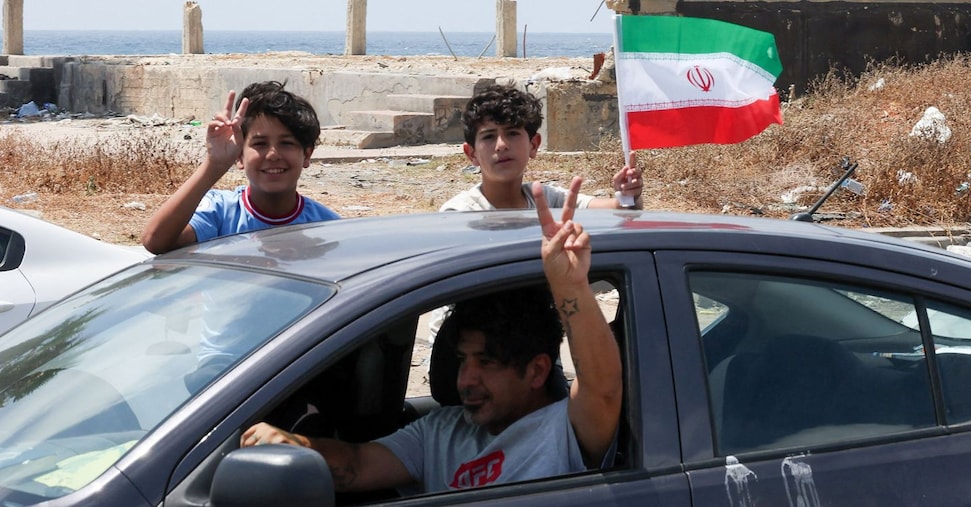
International maritime security concerns have intensified following reports of potential disruptions to transit in the Strait of Hormuz, a critical chokepoint for global oil supplies. U.S. officials and regional stakeholders are currently monitoring claims regarding Iran’s intentions to impose levies on commercial vessels, a move that would represent a significant escalation in regional geopolitical tensions. The situation remains fluid as global powers seek to ensure the continued, unhindered flow of energy resources through one of the world’s most vital waterways.
The Strait of Hormuz, which connects the Persian Gulf to the Gulf of Oman, serves as the passage for approximately one-fifth of the world’s total oil consumption, according to data from the U.S. Energy Information Administration. The stability of this route is essential for global market equilibrium, and any threat of taxation or closure by regional actors is treated as a matter of international security by the United States and its allies.
Geopolitical Stance on Maritime Transit
Recent diplomatic discourse has centered on the rejection of any proposed tolls or tariffs on vessels navigating the strait. United States officials have maintained a firm position that the international waterway must remain open to free transit without additional financial burdens or state-imposed restrictions. This stance is supported by international maritime law, specifically the United Nations Convention on the Law of the Sea (UNCLOS), which provides for the right of transit passage through international straits, as detailed by the United Nations.

While reports have surfaced regarding potential Iranian policies concerning the waterway, regional neighbors, including Oman, have emphasized their commitment to maintaining the status quo. Omani authorities have consistently reported that the strait remains open for international shipping operations, free from any mandated tolls or extra-territorial levies, ensuring that trade flows proceed according to established international maritime standards. This alignment between U.S. policy and regional operational reality serves as a primary stabilizing factor in the current maritime environment.
Operational Challenges and Humanitarian Considerations
The focus on the Strait of Hormuz is not solely geopolitical; it also encompasses significant humanitarian and logistical concerns for the thousands of mariners operating in the region. Recent reports of logistical congestion have prompted discussions regarding the safety and movement of crew members. Ensuring the welfare of these workers remains a priority for international bodies involved in maritime operations. According to the International Maritime Organization, the protection of seafarers and the maintenance of safe navigation are paramount, particularly during periods of heightened regional friction.
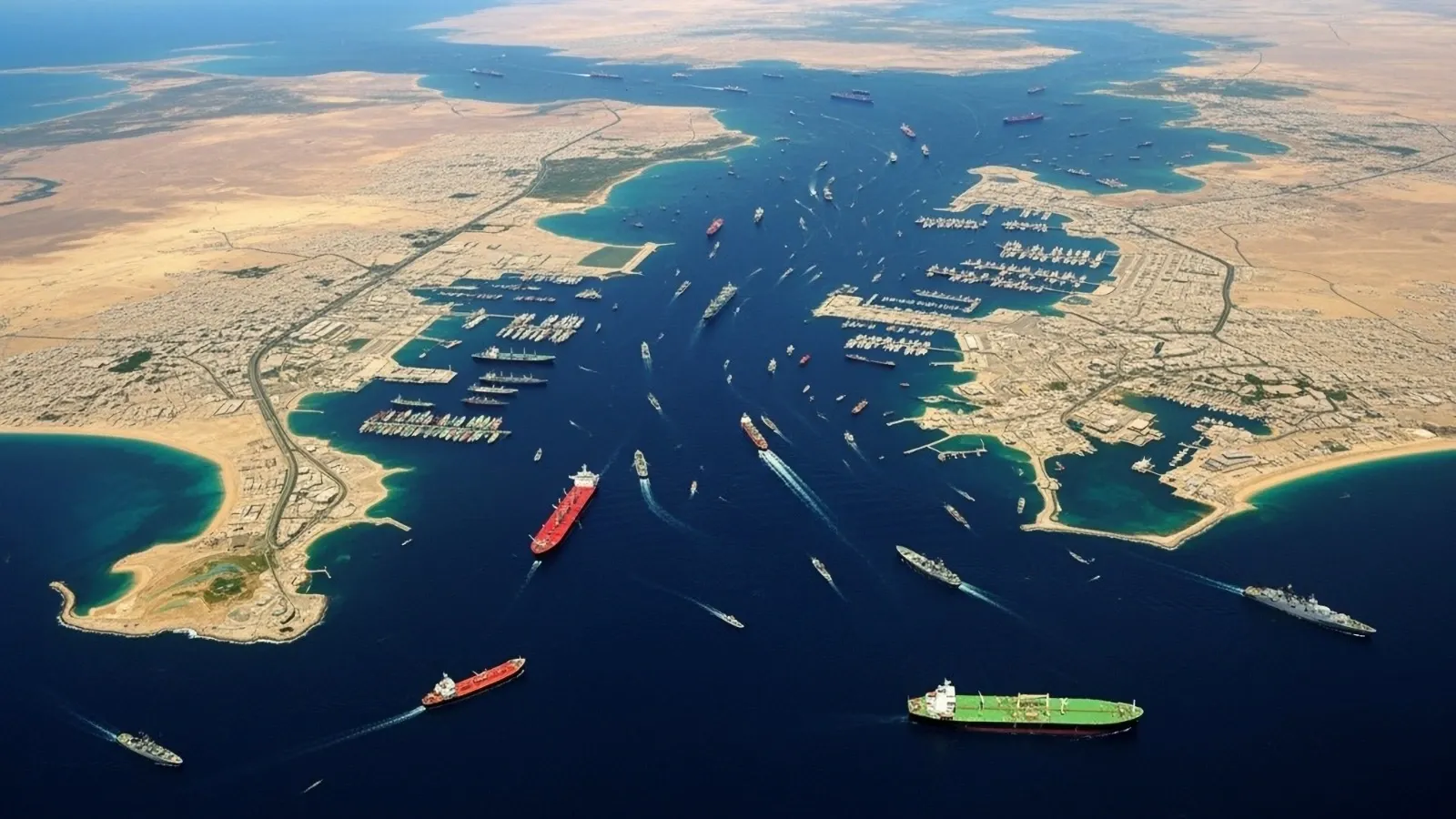
The complexity of the situation is compounded by the reliance of global markets on the uninterrupted transit of energy commodities. Any disruption, whether by policy or by physical obstruction, carries the risk of significant economic impact, influencing oil prices and supply chain reliability worldwide. Consequently, the international community continues to prioritize diplomatic engagement over confrontational measures, aiming to prevent any actions that could escalate into a broader maritime conflict.
Institutional Roles in Regional Stability
The role of international institutions in mediating these tensions is critical. Organizations such as the United Nations and various regional maritime coalitions work to facilitate communication between involved parties to prevent misunderstandings that could lead to accidental escalations. The objective is to maintain a clear channel of dialogue that upholds the principles of freedom of navigation, which is a cornerstone of global trade and international relations.
Current efforts are focused on monitoring the situation closely and ensuring that all actors adhere to international norms. With the global economy heavily dependent on the stability of this specific maritime corridor, the diplomatic focus remains on de-escalation and the reaffirmation of existing legal frameworks. The international community, including observers from the World Bank, continues to assess the potential impacts of regional volatility on global trade flows and economic stability.
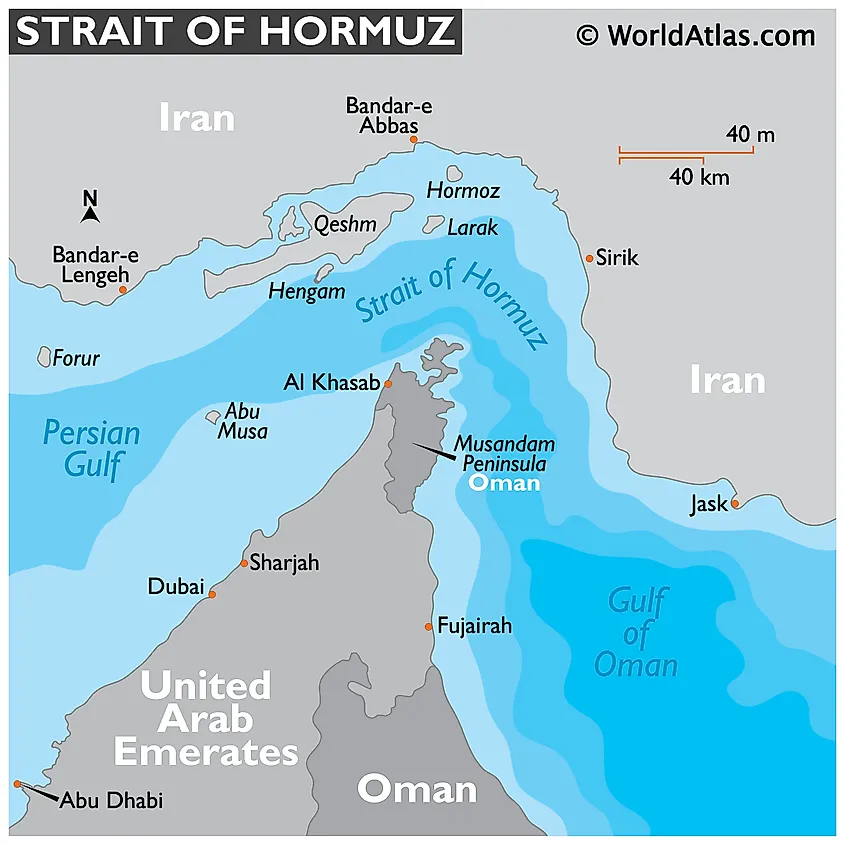
The situation in the Strait of Hormuz remains subject to ongoing diplomatic assessments. Stakeholders are expected to continue monitoring maritime traffic and policy announcements from Tehran and neighboring Gulf states. Updates regarding the security of the strait are typically issued through official channels of the respective national maritime authorities and international regulatory bodies. Readers are encouraged to monitor official press releases from the U.S. Department of State and the International Maritime Organization for the most accurate, real-time information regarding transit conditions and international maritime policy developments.
- From Observers to Actors: Why European Intelligence Agencies Are Gaining New Powers
- Editorial Board and Scientific Committee
- Bird Flu Crisis in Australia: Outbreaks, Vaccines, and Event Cancellations (newsdirectory3.com)
- Trump Claims Total US Control of Strait of Hormuz as Iran Rejects Assertions (archyworldys.com)