

The Strait of Hormuz, the world’s most critical chokepoint for oil and gas transit, remains largely impassable despite a fragile ceasefire between the United States and Iran. While a temporary truce was intended to restore the flow of energy markets, the reality on the water is far grimmer, with shipping traffic nearly paralyzed and the global energy crisis continuing to drive up prices.
Tensions have escalated as the United States and Iran trade accusations of violating the ceasefire. A primary condition for the U.S. In the agreement was the immediate reopening of the strait, yet the Iranian regime continues to maintain a grip on maritime traffic. The situation has reached a stalemate that threatens not only global economic stability but the safety of the sailors caught in the middle of this geopolitical tug-of-war.
The crisis is compounded by reports of sea mines and novel Iranian demands for transit tolls. While the world focuses on the macroeconomic impact of the energy shock, maritime experts warn that the human cost is often overlooked, as crews remain stranded or operate under extreme risk in one of the most volatile regions on Earth.
The Minefield Dilemma: Why the Strait Remains Closed
A central point of contention in the current deadlock is the presence of naval mines. According to reports from the New York Times, citing U.S. Government sources, the Iranian regime may be unable to reopen the strait because they cannot locate the mines they previously deployed RTL Nieuws. These mines were used to effectively shut down the waterway following American and Israeli strikes on Iranian territory.
The impact on shipping has been drastic. Before the conflict, approximately one-fifth of the world’s total oil and gas production passed through this narrow corridor between the Persian Gulf and the Gulf of Oman VRT. Today, the volume of traffic is a fraction of its former self. Data from Windward, a maritime analysis firm, indicates that just 11 ships passed through the strait the day before the ceasefire was announced. In the days following the truce, the numbers dropped further, with only five ships passing on Wednesday and seven on Thursday RTL Nieuws.
For shipping companies, the uncertainty is the primary deterrent. The lack of clarity regarding whether the passage is truly safe has led many to avoid the route entirely. This hesitation is justified; only hours after the ceasefire took effect, Iran again blocked the passage of ships, citing Israeli attacks on Hezbollah in Lebanon as the justification RTL Nieuws.
Clashing Demands and the Threat of a U.S. Blockade
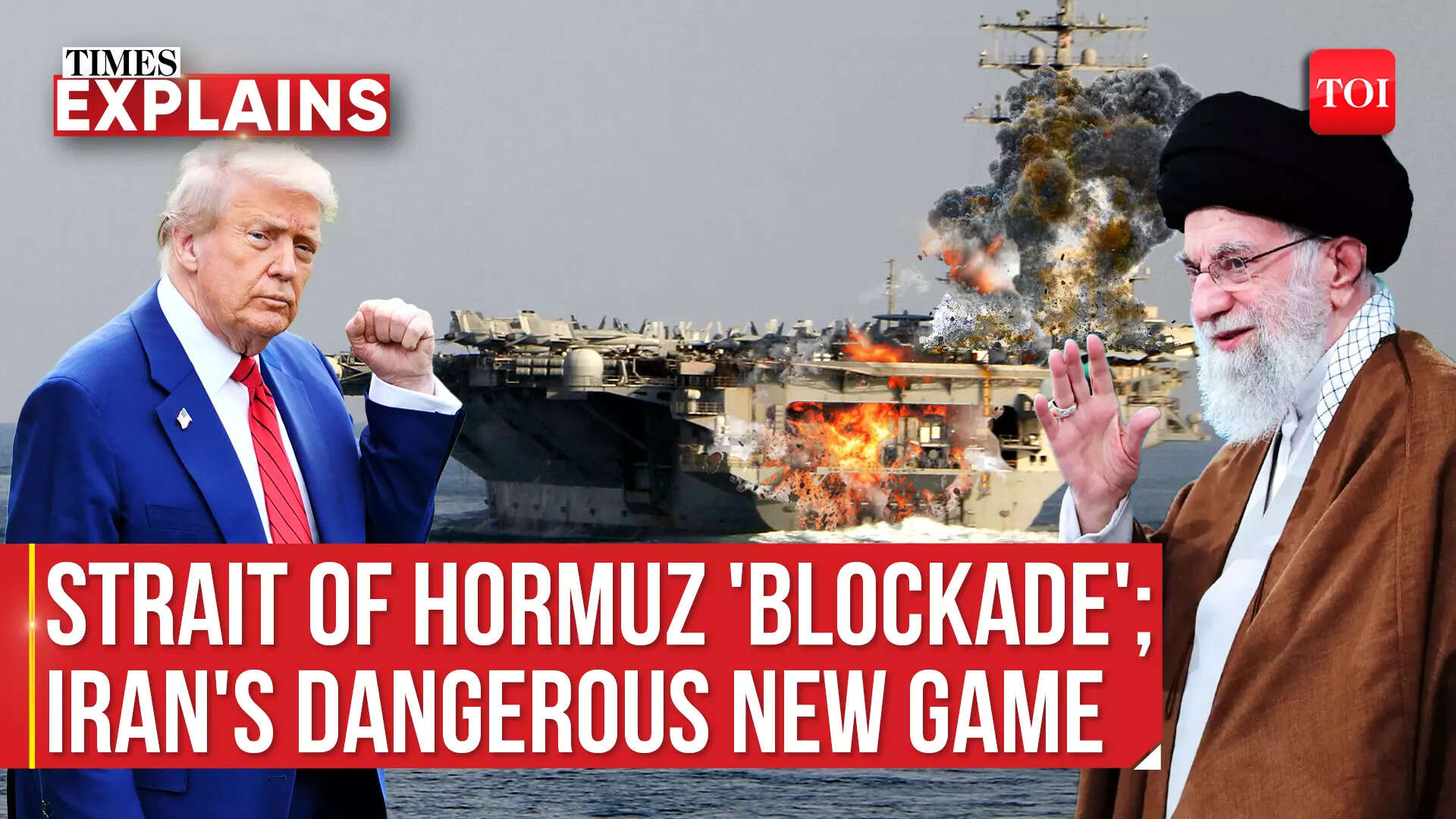
The diplomatic rift between Washington and Tehran is stark. President Donald Trump has demanded that the strait be opened “immediately and without restrictions” VRT. However, Iran has introduced new conditions, insisting that all transit be coordinated with the Revolutionary Guard and demanding the payment of tolls for ships wishing to navigate the waterway VRT.
In response to these restrictions, the U.S. Has shifted from diplomatic pressure to military threats. President Trump announced via Truth Social that the U.S. Military will implement its own blockade of the Strait of Hormuz to thwart Iranian efforts and force the regime to cease its interference with maritime traffic NU.nl.
This escalation creates a dangerous paradox: the U.S. Is threatening to block a waterway it is simultaneously demanding be opened. Such a move could further destabilize the global energy market, which has already been severely shaken by the Iranian blockade and the resulting price hikes in energy costs worldwide VRT.
The Human Cost: Forgotten Sailors
While political leaders argue over tolls and mines, the maritime community warns of a humanitarian crisis. Bart Gonnissen, a river pilot and former captain, has expressed skepticism that a resolution will be reached in the coming days VRT. The focus on geopolitical strategy often obscures the plight of the seafarers currently trapped in the region.
The “forgotten” nature of these sailors is a recurring theme among maritime professionals. For those stuck on tankers or cargo ships, the stalemate means prolonged isolation, psychological stress, and the physical danger of navigating waters potentially littered with undetected mines. As Iran warns ships to seek alternative routes, the logistical burden falls on the crews who must navigate these hazards without clear guidance or guaranteed protection.
Key Takeaways of the Hormuz Crisis
- The Mine Problem: The U.S. Claims Iran cannot reopen the strait because it has lost track of its own deployed sea mines.
- Traffic Collapse: Shipping has dropped from pre-war levels to as few as five to seven ships per day in some instances.
- Economic Impact: The blockade has triggered a global energy crisis and increased fuel prices.
- Diplomatic Deadlock: The U.S. Demands unrestricted access, while Iran demands coordination with the Revolutionary Guard and the payment of tolls.
- Military Escalation: President Trump has threatened a U.S.-led blockade to counter Iranian actions.
The situation remains volatile. With the U.S. And Iran continuing to trade accusations of ceasefire violations, the Strait of Hormuz remains a flashpoint for global conflict. The next critical development will be whether the U.S. Follows through on its threatened blockade or if a new set of coordinated terms can be reached to clear the mines and restore commercial shipping.
Do you believe the international community is doing enough to protect the seafarers caught in this conflict? Share your thoughts in the comments below.