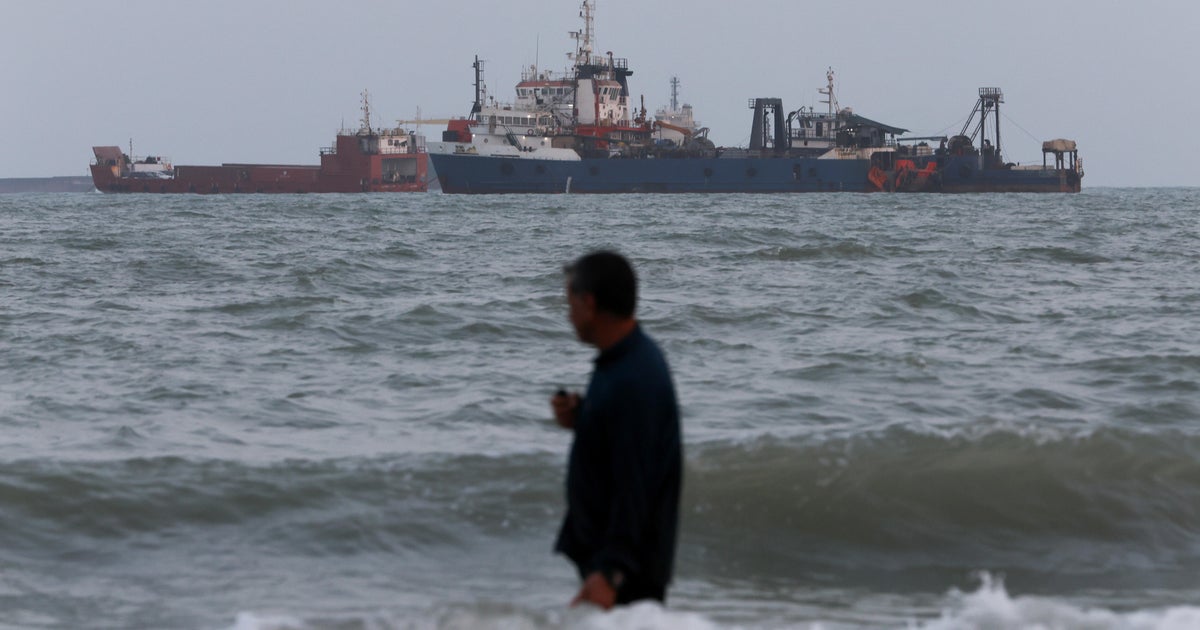
The geopolitical standoff in the Middle East escalated sharply as Iranian state media asserted that the Strait of Hormuz remains firmly “under Iran’s control.” The declaration follows aggressive rhetoric from Washington, where political leaders suggested the United States might intervene to maintain open shipping lanes through the critical global energy corridor, according to regional reporting by Al Jazeera and updates tracked by CBS News.
The competing territorial and operational claims over one of the world’s most vital maritime chokepoints come against a backdrop of tightening economic pressure. The administration in Washington has reverted to a hardline economic squeeze aimed at weakening Iran’s entrenched political establishment, while simultaneously attempting to manage diplomatic channels through what officials describe as low-key negotiations, as detailed in analyses by Bloomberg and CNN.
Energy markets and international trade monitors are closely watching the corridor, through which a significant portion of the world’s petroleum passes daily. While American officials maintain that commercial vessels continue to transit the strait safely, Tehran’s defense and military leadership flatly reject those assertions, raising the stakes for commercial shipping operators and regional security forces navigating the Persian Gulf.
Geopolitical Standoff Over Maritime Transit
The war of words centers on maritime sovereignty and economic access. Tehran’s insistence that its naval forces dictate terms within the Strait of Hormuz directly challenges Washington’s assertions regarding freedom of navigation. According to international news summaries published by The Economist, the American administration’s public posture claims total oversight of the region, creating a dangerous friction point where a miscalculation by either military could trigger a wider confrontation.
Commercial shipping companies operating in the Persian Gulf face mounting operational uncertainty. Tanker operators and logistics firms are reviewing security protocols as military vessels from both nations patrol overlapping sectors. Maritime insurers have begun reassessing risk premiums for vessels transiting the strait, reflecting deep anxiety over the deteriorating security climate.
Economic Pressure and Diplomatic Channels
Beyond the immediate naval posturing, Washington’s broader strategy relies heavily on renewed financial containment. Economic analysts note that the return to a maximum-pressure financial squeeze targets Iran’s primary revenue streams, particularly oil exports, in an effort to curb regional influence and force concessions at the bargaining table.
https://x.com/shina_ansari/status/2087779431926374799
At the same time, diplomatic backchannels remain active, though largely obscured from public view. Observers tracking the administration’s foreign policy note that these quiet talks are designed to test Tehran’s willingness to curb its nuclear ambitions without handing political victories to hardline factions inside Iran. However, the hardening rhetoric over the Strait of Hormuz threatens to derail these fragile diplomatic explorations before any substantive framework can emerge.
Market Impacts and Global Stakes
Global economic stability remains intimately tied to the security of the waterway. Economists point out that any sustained disruption to traffic through the strait would immediately send crude oil prices soaring, complicating efforts by central banks—including the U.S. Federal Reserve—to manage domestic inflation rates, which have recently shown signs of cooling as reported by economic monitors.
Governments across Europe and Asia are urging restraint from both capitals, warning that a military escalation in the Gulf would inflict severe damage on recovering global supply chains. Importers dependent on Middle Eastern crude are actively diversifying supply routes where possible, though few viable alternatives exist to replace the massive volume of oil moving through the strait each day.
Stakeholders, including maritime regulatory bodies and international shipping associations, continue to issue updated safety advisories for crews operating in regional waters. Authorities recommend maintaining continuous contact with naval coalitions patrolling the area and monitoring real-time navigational warnings.
The situation remains fluid. Further developments are expected as diplomatic teams assess the impact of the latest round of economic sanctions and military posturing. Readers can monitor official updates through maritime trade organizations and international news networks for ongoing developments in the region.
Keep reading