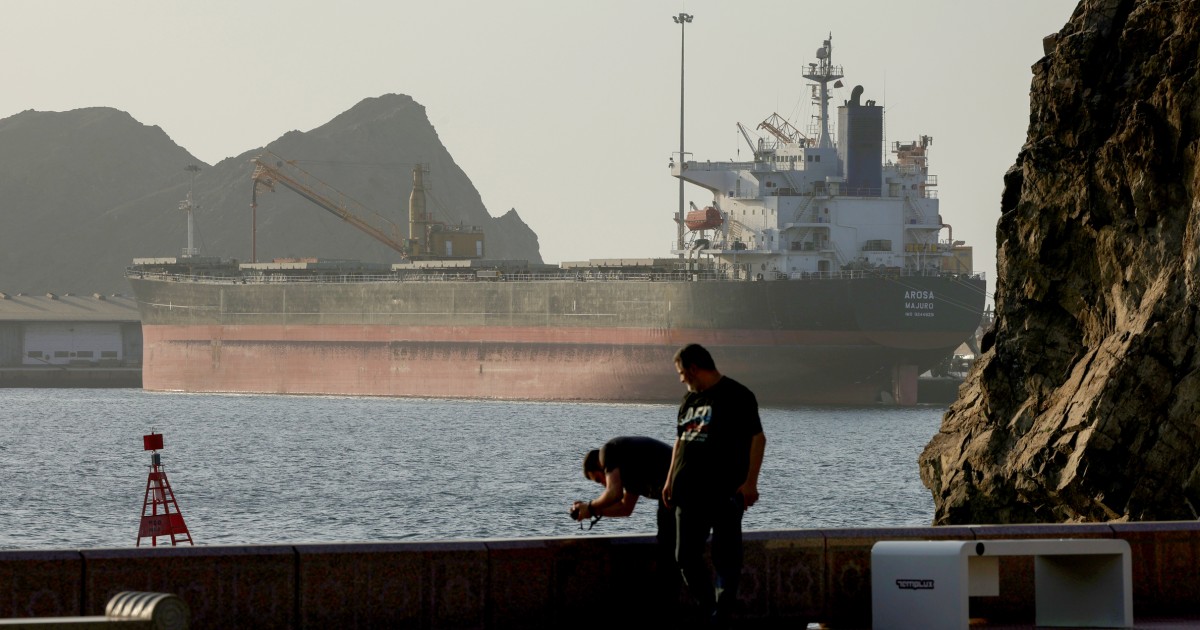
Diplomatic discussions regarding a potential de-escalation of tensions in the Middle East have surfaced, centered on a proposed framework to reopen the Strait of Hormuz and address long-standing economic sanctions against Iran. Reports indicate that a 14-point memorandum of understanding is currently under consideration by stakeholders, though official confirmation of a finalized agreement remains pending. The proposal seeks to address critical maritime security concerns in one of the world’s most vital oil transit chokepoints while establishing a pathway for the potential easing of U.S.-imposed financial restrictions.
The Strait of Hormuz, a narrow waterway separating the Persian Gulf from the Gulf of Oman, serves as a primary transit route for approximately 20% of the world’s total petroleum consumption, according to data from the U.S. Energy Information Administration. Any disruption to this transit point carries immediate implications for global energy markets and commodity pricing. The current discussions, if formalized, would mark a significant shift in the diplomatic approach to regional stability and the long-term management of sanctions policies that have restricted Iran’s access to international financial systems for years.
The Strategic Importance of the Strait of Hormuz
The global economy relies heavily on the stability of the Strait of Hormuz. Because the channel is only 21 miles wide at its narrowest point, it functions as a critical bottleneck for tankers moving crude oil from Gulf producers to global markets. The U.S. Energy Information Administration has repeatedly identified the strait as the world’s most important oil transit chokepoint. Even minor delays or security threats in this region historically trigger volatility in Brent and WTI crude oil benchmarks, impacting inflation and energy costs in both developed and emerging economies.
Security concerns in the strait have escalated periodically over the last decade, often coinciding with heightened geopolitical tensions between the United States and Iran. These tensions have previously led to the deployment of additional naval assets to the region to ensure the freedom of navigation. Any agreement that guarantees the safety and openness of this passage would be viewed by market analysts as a stabilizing factor for global energy supplies.
Evaluating the Proposed Sanctions Relief
The core of the reported 14-point framework involves the potential unfreezing of Iranian assets and a modification of the current sanctions regime. Since the unilateral withdrawal of the United States from the Joint Comprehensive Plan of Action (JCPOA) in 2018, as documented by the U.S. Department of State, the U.S. has maintained a “maximum pressure” policy. This policy has effectively barred most international financial institutions from processing transactions involving the Iranian regime, isolating the country from the global banking system.

Economic experts note that any reversal of these policies would require complex verification mechanisms. Historically, the removal of sanctions is tied to verifiable compliance with international nuclear oversight agreements. The International Atomic Energy Agency (IAEA) remains the primary body responsible for monitoring and verifying Iran’s nuclear activities. A transition toward sanctions relief would likely necessitate a formal role for the IAEA to ensure that any financial unfreezing is accompanied by non-proliferation safeguards.
Global Market Implications and Next Steps
Financial markets typically react to signals of reduced geopolitical risk by lowering risk premiums on energy assets. However, the complexity of U.S. sanctions law, which involves oversight from the Department of the Treasury’s Office of Foreign Assets Control (OFAC), means that any legislative or executive change to these policies would be subject to rigorous congressional and international scrutiny. Investors are currently monitoring official statements from the White House and the Iranian Foreign Ministry for any indications that a formal signing of a memorandum is imminent.

The path forward remains subject to high-level diplomatic negotiation. While the 14-point proposal suggests a structured approach to conflict resolution, the implementation of such a deal would require a sustained commitment from all participating nations. The next confirmed checkpoint for these developments will be the upcoming session of the United Nations General Assembly, where representatives from involved nations are expected to discuss regional security architecture and potential diplomatic breakthroughs.
As this situation evolves, the global business community continues to look for clarity regarding the timeline for potential sanctions relief and its impact on regional trade. Readers are encouraged to monitor official updates through the U.S. Department of State and the U.S. Department of the Treasury websites for the most accurate information on policy shifts. Please share your insights or questions in the comments section below as we continue to track these developments.
Related reading