Ship traffic through the Strait of Hormuz sits near a three-month low as a U.S.-Iran agreement remains in doubt. Despite U.S. military escorts and assertions that the channel is open, international merchant vessels largely avoid the flashpoint waterway.
Strait of Hormuz Traffic Dips Toward Three-Month Low Amid Stalled Talks
Vessel transits through the Strait of Hormuz averaged roughly 13 ships per day, according to a CNBC analysis of trade intelligence data. That level matches the lowest activity seen since May 12 and reflects a sharp decline from the pre-conflict daily average of 130 ships recorded before U.S. and Israeli strikes began on Feb. 28.
While Washington and Tehran signed an interim accord on June 17 that temporarily boosted crossings, the agreement stalled over undefined shipping routes. Subsequent skirmishes and naval blockades returned the vital Middle Eastern energy corridor to a state of high tension. President Donald Trump pivoted back to diplomatic efforts this month, but an operational framework has failed to materialize.
Meanwhile, regional mediators continue working to break the deadlock. However, Iranian national security official Mohsen Rezaei stated that the strait will not open fully until Washington meets Tehran’s demands.
Diverging Assessments on Navigational Safety and Military Escorts
A clear gulf separates official military assessments from the reality experienced by commercial shipping operators on the water. U.S. Central Command reiterated its stance in a public statement, maintaining that the channel remains open for commercial traffic despite more than 30 Iranian attacks on vessels since the war started.
Energy Secretary Chris Wright noted that oil exports through the strait reached a seven-day average of nearly 9 million barrels per day supported by U.S. military assistance, adding that total Gulf oil exports average about 15 million barrels per day when accounting for pipelines. Wright also suggested that many private businesses undercount the number of ships leaving the Strait of Hormuz due to ships moving covertly through the waterway
.
Dimitris Maniatis, CEO of the Greek maritime risk management firm Marisks, told cbsnews.com that international ship crews refuse to make the journey following the breakdown of the recent ceasefire. Even with U.S. air support along the Oman coastal corridor, ship owners and mariners lack confidence in safe passage, especially after two vessels operated by Greek shipping giant Dynacom were struck off the coast of Oman.
Global Markets and Supply Pressures Expand Beyond the Persian Gulf
The persistent shipping bottlenecks are reverberating across international commodity markets. ICE Brent is trading around $87 a barrel. Energy market participants continue to trade on shifting diplomatic headlines.
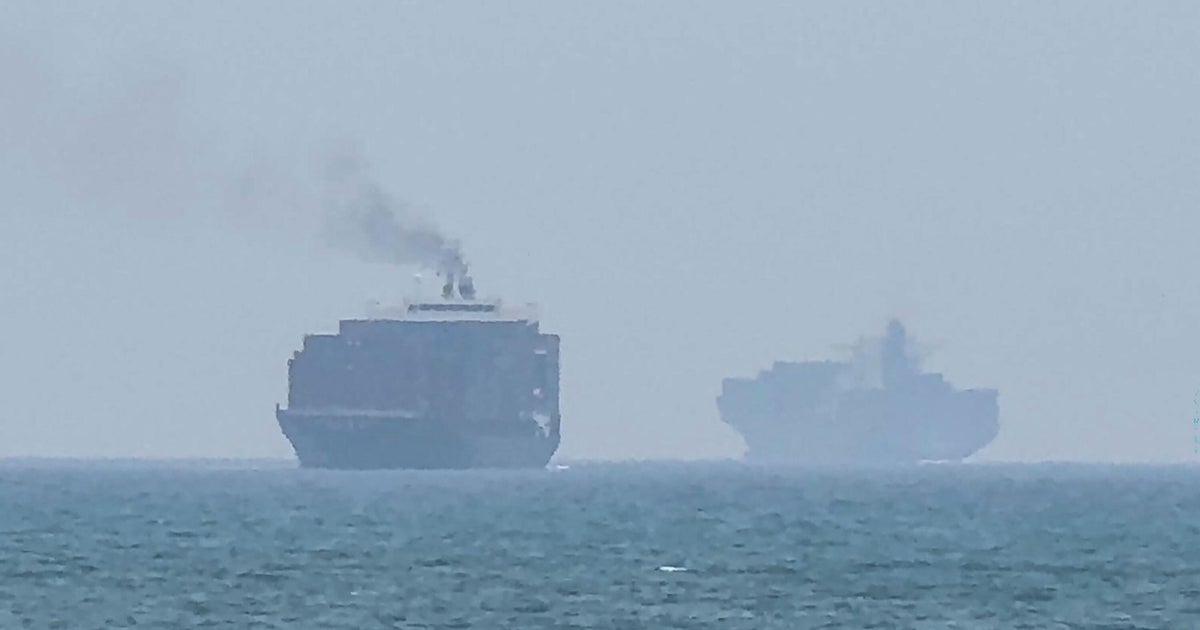
Hedge funds and institutional money managers rebuilt net long positions in ICE Brent futures and options to more than 192 million barrels—marking a two-month high—as chokepoint risks returned to the forefront. At the same time, geopolitical friction expanded toward the Red Sea. Yemeni Houthi rebels announced an intended blockade on Saudi energy exports utilizing Red Sea ports, prompting several commercial vessels to turn around near the Bab el-Mandeb Strait.
Market participants watch for the next decisive turn as OPEC+ prepares to pause its gradual monthly output increases after September through the remainder of 2026. With major export corridors facing persistent military friction, the path toward stable energy flows rests on whether formal maritime agreements can take hold.
Keep reading