
Uncertainty Surrounds Charles de Gaulle Deployment Amid Escalating Middle East Maritime Tensions
The deployment status of France’s aircraft carrier, the Charles de Gaulle, remains a subject of strategic uncertainty as Middle East conflicts threaten critical maritime corridors. This confusion coincides with rising global oil prices driven by blockages in strategic passages, heightening concerns over energy security and the stability of global hydrocarbon supply chains.
Conflicting reports regarding the movement and mission parameters of the Charles de Gaulle aircraft carrier Middle East deployment have created a period of diplomatic and military ambiguity. While initial reports suggested the vessel was departing for specific regional operations to secure maritime routes, subsequent clarifications from defense officials have left analysts questioning the exact scope of the French Navy’s involvement in the current maritime security crisis.
The ambiguity surrounding the carrier arrives at a critical juncture for global commodity markets. As tensions escalate in the Red Sea and near the Strait of Hormuz, the potential for prolonged maritime blockages has become a primary driver of volatility in energy markets. The intersection of naval power projection and the physical security of oil transit routes is now a central focus for international economic observers.
Discrepancies in the Charles de Gaulle Deployment Reports
The “imbroglio” regarding the Charles de Gaulle stems from a series of uncoordinated reports concerning its operational destination and intended mission. Initial leaks suggested the carrier was being repositioned to provide direct escort for commercial tankers navigating high-risk zones in the Red Sea. However, official statements from the French Ministry of the Armed Forces have been more measured, focusing on broader regional stability rather than a specific mandate to protect individual commercial vessels.
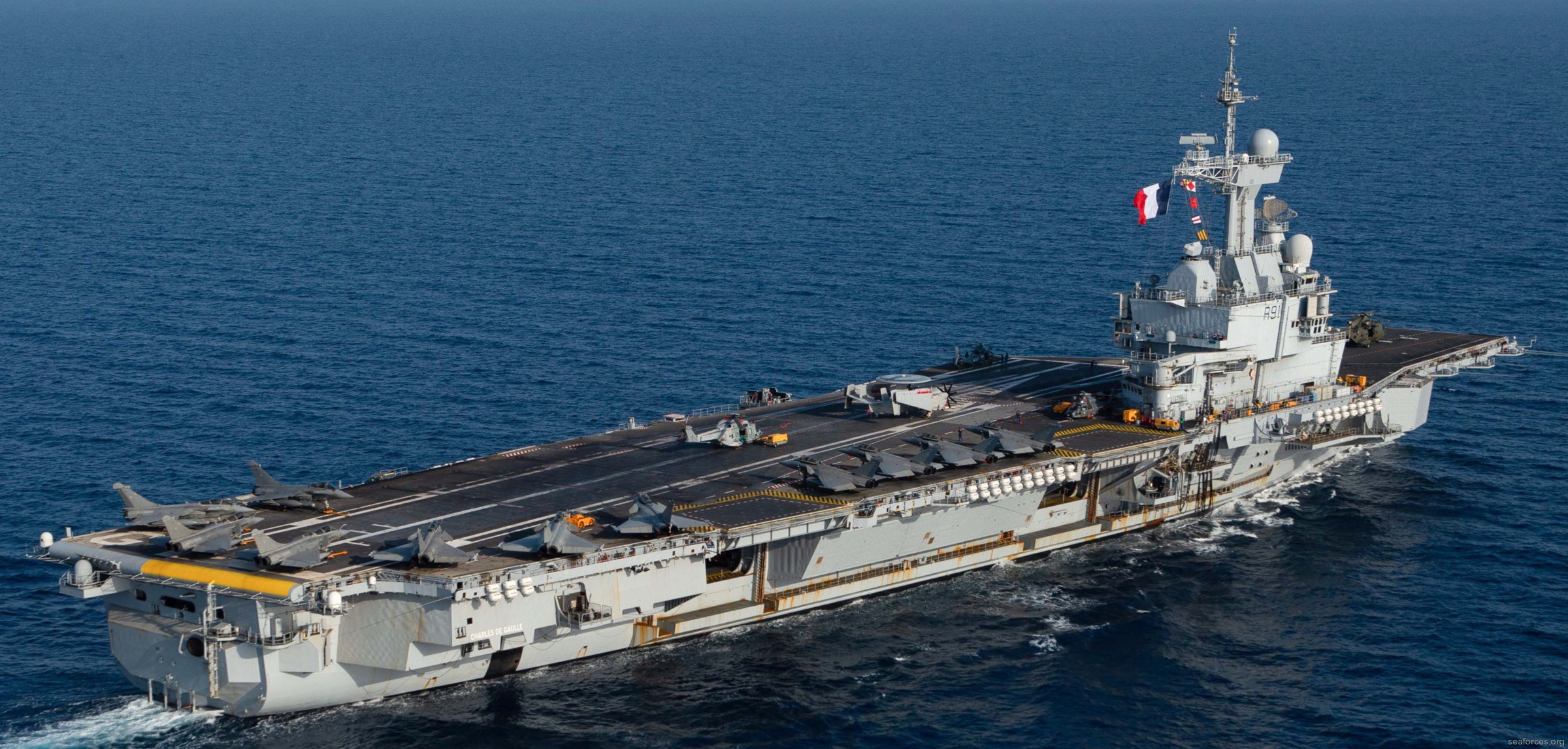
Military analysts suggest that the confusion may be a byproduct of the sensitive nature of carrier strike group movements. According to maritime security experts, the deployment of a nuclear-powered carrier signifies a major escalation in a nation’s regional posture. When reports of such a deployment are inconsistent, it can lead to market speculation, as traders attempt to price in the likelihood of increased military intervention in conflict zones.
The French Navy (Marine Nationale) has historically utilized the Charles de Gaulle for operations such as Operation Chammal, which targets extremist groups in the Levant and Iraq. The current uncertainty involves whether the carrier’s role will expand from counter-terrorism to active maritime protection against asymmetric threats, such as drone and missile attacks on merchant shipping.
The Impact of Maritime Blockages on Global Hydrocarbon Markets
The economic consequences of maritime instability are most visible in the pricing of crude oil. The blockage or disruption of strategic passages—specifically the Bab el-Mandeb strait and the Strait of Hormuz—directly hinders the exportation of hydrocarbons from the Persian Gulf. As these passages are narrow chokepoints, even minor disruptions can lead to significant delays in delivery schedules and increased insurance premiums for tankers.

Current market data indicates that shipping disruptions in the Red Sea have forced many major energy companies to reroute vessels around the Cape of Good Hope. This detour adds significant time and cost to every voyage, effectively tightening the available supply of oil in European and North American markets. According to recent energy market analysis, these logistical delays contribute to a “geopolitical risk premium” that is often baked into Brent crude and West Texas Intermediate (WTI) prices.
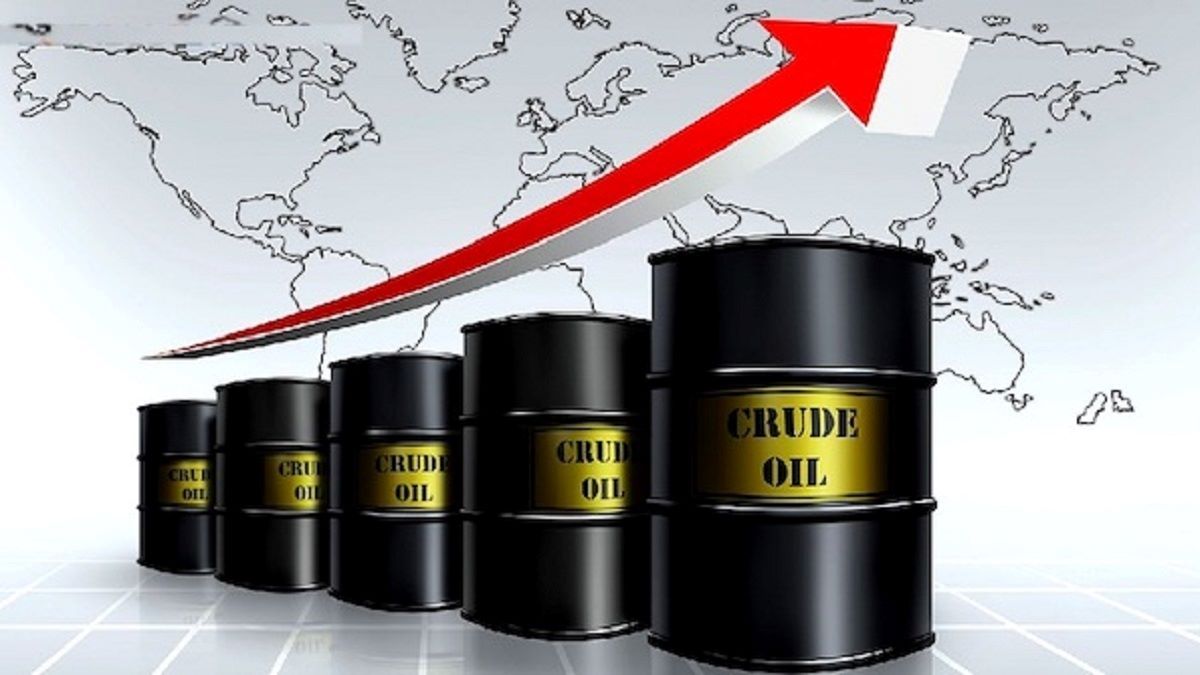
The direct link between maritime security and energy costs is clear: when the flow of Gulf hydrocarbons is impeded, the immediate result is upward pressure on global oil prices. This inflation in energy costs has a cascading effect on the global economy, increasing transportation costs for consumer goods and impacting manufacturing sectors that rely on stable energy inputs.
Strategic Chokepoints: The Red Sea and the Strait of Hormuz
To understand the gravity of the current situation, one must examine the specific geography of the world’s most vital maritime corridors. The Red Sea, connected to the Mediterranean via the Suez Canal, serves as a primary artery for trade between Asia and Europe. The Bab el-Mandeb strait, a narrow passage at the southern end of the Red Sea, is currently a flashpoint for conflict, with various non-state actors targeting commercial traffic.
Further east, the Strait of Hormuz remains perhaps the most critical chokepoint in the global energy landscape. A significant percentage of the world’s liquefied natural gas (LNG) and petroleum exports pass through this narrow waterway. Any disruption here, whether through military blockade or accidental engagement, would represent a systemic shock to the global economy.
- Bab el-Mandeb: A critical gateway for Suez Canal traffic; subject to recent asymmetric attacks affecting merchant shipping.
- Strait of Hormuz: The primary exit point for Persian Gulf oil; essential for global energy stability.
- Suez Canal: The central link between the Indian Ocean and the Mediterranean; highly sensitive to Red Sea security.
The deployment of naval assets like the Charles de Gaulle is intended to act as a deterrent in these zones. However, the effectiveness of such deployments depends on the level of international coordination and the ability of naval forces to respond to rapid, low-cost threats like unmanned aerial vehicles (UAVs) and anti-ship missiles.
Economic Implications for Global Energy Security
The volatility in oil prices caused by these maritime tensions does more than just raise the price at the pump; it affects long-term capital investment and global inflation targets. Central banks globally monitor energy prices closely, as spikes in hydrocarbon costs can force a shift in monetary policy to combat cost-push inflation.
For emerging economies that are net importers of oil, the impact is particularly acute. Increased energy costs reduce disposable income and can strain national budgets, particularly in nations already facing high debt levels. Conversely, major oil exporters may see increased revenues, but this is often offset by the systemic instability that threatens the very infrastructure used to export their product.
The “security-energy nexus” is now a permanent fixture of global macroeconomic forecasting. Investors are increasingly looking at naval presence and maritime stability as leading indicators for energy market trends. The ability of Western powers to maintain “freedom of navigation” in these corridors is no longer just a military objective; it is a fundamental requirement for global economic predictability.
Key Takeaways: Maritime Security and Energy Markets
- Deployment Uncertainty: Conflicting reports regarding the Charles de Gaulle have created market ambiguity regarding French military involvement.
- Supply Chain Disruption: Rerouting ships around the Cape of Good Hope increases transit times and operational costs.
- Price Volatility: Geopolitical risks in the Red Sea and Strait of Hormuz act as direct drivers of oil price increases.
- Economic Risk: Maritime blockages contribute to global inflation and impact the fiscal stability of energy-importing nations.
The next critical checkpoint for market participants will be the upcoming quarterly maritime security assessments from the International Maritime Organization (IMO) and any official updates from the French Ministry of the Armed Forces regarding the Charles de Gaulle‘s mission status. As the situation evolves, monitoring official naval deployment schedules and tanker transit data will be essential for assessing energy price trajectories.
What are your thoughts on the impact of naval deployments on global energy markets? Share this article and join the conversation in the comments below.
Related reading