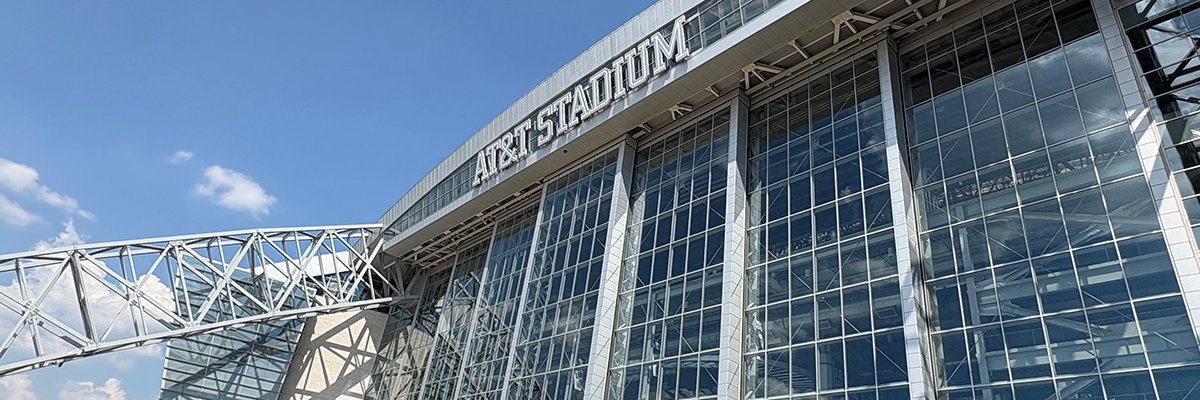
Stadium operators and telecommunications firms are deploying multi-beam antenna technology to address the high-density connectivity demands of global sporting events, including upcoming FIFA World Cup venues. By integrating Extreme Networks’ cloud-based management platforms with MatSing’s lens antenna technology, organizers aim to provide increased network capacity while reducing the physical infrastructure footprint typically required for large-scale public Wi-Fi deployments.
This technical shift follows a broader trend in venue management where stadium operators are under pressure to support tens of thousands of simultaneous users. According to industry data, modern fan experiences rely heavily on real-time data consumption, requiring robust wireless infrastructure that can handle peak traffic without signal degradation. The use of multi-beam antennas allows for more precise signal distribution, directing capacity exactly where crowds are concentrated rather than broadcasting broadly across empty seating areas.
Technology Behind High-Density Stadium Connectivity
The core of this infrastructure upgrade lies in the transition from traditional omnidirectional antennas to multi-beam, high-capacity lens antennas. MatSing’s lens antenna technology is designed to create multiple, distinct beams from a single aperture. This approach allows network engineers to segment a stadium bowl into specific coverage zones, effectively increasing the available capacity per user. As reported by network infrastructure analysts, this segmentation minimizes the interference common in high-density environments where hundreds of access points operate in close proximity.
Extreme Networks provides the software-defined networking (SDN) layer that manages these connections. By utilizing a centralized cloud platform, IT teams can monitor traffic patterns in real-time and adjust bandwidth allocation dynamically. This integration is critical for venues that host diverse events, as the network requirements for a soccer match differ significantly from those of a concert or a corporate conference. The ability to manage these changes remotely reduces the operational labor usually required for manual hardware reconfiguration.
Reducing Infrastructure Complexity and Costs
Stadium owners are increasingly focused on reducing the total cost of ownership for wireless networks. Traditional Wi-Fi deployments often require a high density of access points mounted on railings or under seats, which can be vulnerable to physical damage and complicate maintenance routines. By utilizing high-gain, multi-beam antennas, venues can mount fewer pieces of equipment in more secure, elevated locations while maintaining, or even exceeding, the signal strength of traditional setups.
This reduction in equipment count is a key metric for stadium operators. According to industry best practices for large venue wireless design, minimizing the number of physical access points lowers power consumption and cabling requirements, which are often the most expensive components of a stadium-wide network overhaul. Furthermore, simplified hardware reduces the number of failure points, a significant advantage for venues that operate on tight scheduling windows during major tournaments.
Meeting Fan Expectations for Digital Engagement
The demand for reliable stadium connectivity is driven by the rise of mobile-first fan engagement. Modern venue apps offer features such as mobile ticketing, real-time statistics, food and beverage ordering, and instant replay access. If a network fails to handle the load, these digital services become inaccessible, negatively impacting the spectator experience. Industry reports indicate that reliable Wi-Fi is now a baseline expectation for major international sporting events, influencing how venues are evaluated for future tournament hosting rights.
The partnership between Extreme Networks and MatSing specifically targets this performance gap. By utilizing high-capacity spectrum—often in the 5GHz and 6GHz bands—the combined solution aims to ensure that fans can upload high-definition content to social media platforms even during peak attendance periods. This capability is essential for tournament organizers looking to maximize the digital reach of their events beyond the physical stadium walls.
What Happens Next for Stadium Networks
As the industry looks toward the next cycle of global sporting events, the focus is shifting toward the integration of Wi-Fi 7 and advanced orchestration software. The current deployments of multi-beam technology serve as a testing ground for these future standards. Stadium operators are expected to continue prioritizing vendors that offer interoperability between wireless hardware and cloud management platforms, as this flexibility is essential for scaling networks across multiple international venues.
For fans and venue staff, the next checkpoint for these technologies will be the upcoming 2026 FIFA World Cup, where these connectivity solutions will undergo rigorous, large-scale testing. Official updates regarding network performance standards and vendor specifications for host stadiums are typically released by tournament organizing committees in the months leading up to the event. For further information on the technical specifications of high-density wireless deployments, readers may consult the official documentation provided by the Wireless Broadband Alliance (WBA) on stadium connectivity standards.
We encourage readers to share their experiences with stadium Wi-Fi in the comments section below. Have you encountered significant connectivity issues at major sporting events, or have you noticed improvements in recent years? Your input helps us track the real-world impact of these technological investments.
Related reading
- Cerebras Systems Shares Plunge After Missing Q2 Revenue Expectations
- Logitech Left-Handed Vertical Mouse Launch Exposes Ergonomic Gap for Australian Workers
- FDA Approves Groundbreaking mRNA Vaccine Booster for Adults 50+, Boosting Immunity and Protecting Against Chronic Health Risks (archyworldys.com)