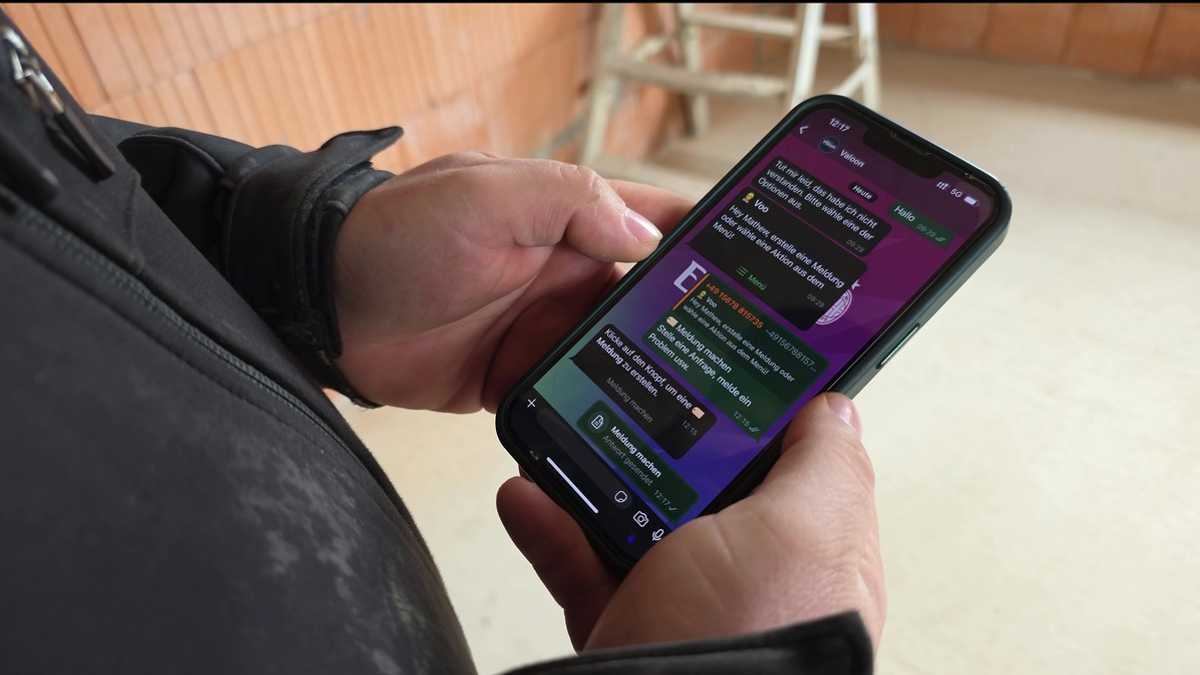
For many professionals in the construction industry, the workday is inextricably linked to the ping of incoming notifications on WhatsApp. While the instant messaging platform has become an unofficial standard for coordination on job sites globally, it often creates a chaotic digital paper trail. Information regarding site progress, material deliveries, and architectural adjustments frequently gets buried in endless group chats, leading to miscommunication and significant documentation gaps. As the industry moves toward greater digitalization, bridging the gap between informal messaging and formal project management has become a priority for tech innovators.
One emerging solution addressing this friction is construction project documentation via messenger, a growing trend that seeks to harmonize the ease of mobile communication with the rigor of enterprise software. By integrating platforms like WhatsApp into structured workflows, developers are aiming to solve the “unstructured data” problem that plagues complex building projects. Tools such as the software platform Valoon are designed to leverage the WhatsApp Business API to automatically categorize and archive project-related conversations, ensuring that vital site updates are captured in a searchable, audit-ready format.
The Challenge of Informal Communication in Construction
Construction sites are dynamic, high-pressure environments where decisions are often made on the fly. When a site manager identifies a structural conflict or a delay in material arrival, the immediate response is almost always to send a quick message to the relevant team members. According to industry reports, the reliance on consumer-grade messaging apps has created a “shadow IT” environment where critical project history lives outside of official Construction Management Software (CMS) environments. This fragmentation makes it nearly impossible to maintain a “single source of truth,” which is essential for legal compliance and project accountability.
The primary issue lies in the nature of the platform. WhatsApp was built for personal communication, not for documenting professional workflows or maintaining a chronological audit trail. When project data is scattered across personal devices, it creates significant risks, including the loss of information when personnel change or the inability to retrieve specific instructions during a dispute. Digital transformation in construction—often referred to as “Construction 4.0″—is fundamentally about moving away from these manual, disconnected workflows toward integrated, data-driven systems.
How API Integration Bridges the Gap
The integration of messaging platforms into professional software suites typically relies on Application Programming Interfaces (APIs). By using the official API, software like Valoon acts as a middleware, allowing project managers to link specific WhatsApp threads to project tasks or milestones. This approach does not necessarily require field workers to change their behavior; they continue to use the familiar interface of WhatsApp, while the backend software handles the heavy lifting of data extraction and organization.
This “invisible” integration is a significant advantage in an industry where high adoption barriers often lead to the failure of new software rollouts. By maintaining the user experience of a standard messenger, companies can ensure higher participation rates among subcontractors and laborers who may be resistant to learning complex new enterprise platforms. The resulting data—images of site conditions, voice notes transcribed into text, and status updates—are automatically funneled into a centralized dashboard, providing stakeholders with a clear, real-time view of progress.
Key Benefits of Structured Messenger Documentation
- Improved Accountability: Every message can be linked to a specific project phase or site location, creating a clear history of who authorized what and when.
- Reduced Administrative Burden: Automated logging eliminates the need for manual data entry, saving project managers hours of administrative work each week.
- Legal and Compliance Safeguards: In the event of a dispute, having a structured, time-stamped record of all site-related communication is invaluable for insurance and legal purposes.
- Real-time Visibility: Project owners and architects gain immediate insights into site challenges without needing to wait for end-of-week reports.
The Future of Digital Site Management
As the construction sector continues to grapple with thin margins and labor shortages, the efficiency gains from better communication tools are becoming a competitive necessity. The move toward integrating mobile messaging into the professional stack is indicative of a broader trend: the consumerization of enterprise technology. Workers expect the same level of convenience in their professional tools that they experience in their daily lives, and developers are finally delivering on that expectation.


However, the transition is not without its hurdles. Data privacy remains a paramount concern. When using third-party APIs to process project data, companies must ensure that they remain compliant with regional data protection regulations, such as the General Data Protection Regulation (GDPR) in Europe or similar frameworks globally. We see crucial for firms to verify that their chosen software provider maintains rigorous security standards, including end-to-end encryption and secure data hosting, to protect sensitive project information and intellectual property.
Looking ahead, we can expect to see further advancements in how AI interacts with these messaging streams. Natural Language Processing (NLP) could soon be used to automatically summarize long group chats, flag potential delays before they escalate into major problems, or even generate daily progress reports based on the day’s message traffic. These developments will likely continue to shift the role of the project manager from a data collector to a strategic decision-maker, supported by a robust, automated digital infrastructure.
The next phase for these technologies involves deeper integration with Building Information Modeling (BIM) software, allowing for a seamless flow of data from the field back to the digital twin of the construction project. As these systems mature, stakeholders should watch for upcoming industry standards regarding data interoperability, which will be essential for ensuring that different software platforms can communicate effectively. We encourage our readers to monitor the official releases from major industry bodies and software providers to stay updated on best practices for site documentation and digital security. Feel free to share your experiences with construction communication tools in the comments section below.
Keep reading