
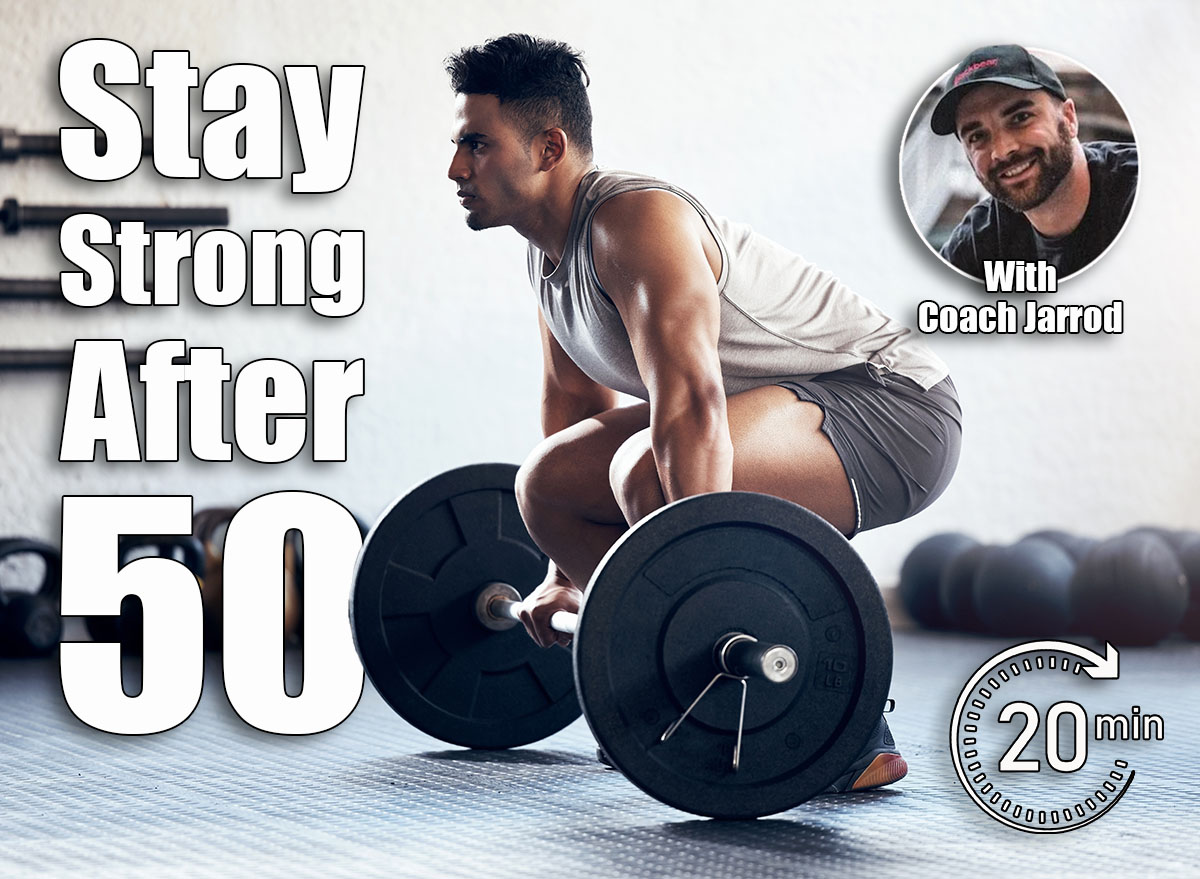
Building Strength After 50: A Guide to Lifelong Resilience
Maintaining strength as you age isn’t just about aesthetics; it’s about preserving your independence, vitality, and overall quality of life. It’s a proactive investment in your future well-being. This guide will equip you wiht the strategies to build and maintain a strong, resilient body for years to come.
Why Strength Training Changes After 50
Your body evolves with age, and your training needs to adapt accordingly. Prioritizing the right approach will safeguard your joints, optimize muscle function, and enhance your body’s ability to recover. forget chasing youthful intensity – focus on sustainable progress.
Key Principles for Strength After 50
Here’s how to make consistent gains while protecting your body:
Prioritize impeccable form over lifting heavy weights. Good technique is paramount for joint health and ensures you’re targeting the correct muscle groups. focus on controlled, clean repetitions.
establish a consistent training schedule. Strength is more easily maintained than regained. Aim for two to three full-body workouts each week, incorporating fundamental lifts.
Embrace gradual progression. Slowly increase the weight,repetitions,or sets over time. This measured approach minimizes the risk of injury and promotes steady strength gains.
Introduce exercise variations. Incorporate dumbbells, kettlebells, or bodyweight exercises to challenge your muscles in new ways and improve joint mobility.
Prioritize recovery. Adequate sleep, sufficient protein intake, and regular mobility work are crucial for muscle repair and overall recovery.
Listen attentively to your body. Pay attention to any joint pain or stiffness. modify your technique or choose alternative exercises if needed. Longevity in training depends on smart, not strenuous, effort.
The Power of Classic Lifts
Focus on foundational movements that deliver maximum benefit:
Squats: Strengthen your legs and core, improving functional movement.
Deadlifts: Build full-body strength and power, enhancing posture and balance.
Bench Press: Develop upper body strength,supporting everyday activities.
Overhead press: Improve shoulder stability and functional strength.
Rows: Strengthen your back muscles, promoting good posture and preventing injury.
Beyond the gym: Holistic Wellness
Strength training is just one piece of the puzzle. A holistic approach to wellness is essential for maximizing your results:
Nutrition: fuel your body with a balanced diet rich in protein, healthy fats, and complex carbohydrates.
Hydration: Drink plenty of water throughout the day to support muscle function and recovery.
Stress Management: Practice relaxation techniques like yoga or meditation to reduce stress and promote overall well-being.
* Regular Movement: Incorporate daily physical activity, such as walking or cycling, to maintain cardiovascular health and mobility.
Embracing a Lifelong Journey
building strength after 50 is a marathon, not a sprint. it requires patience, consistency, and a willingness to adapt. Master the fundamentals, prioritize recovery, and listen to your body. You’ll not only build physical strength but also cultivate a sense of empowerment and resilience that will carry you thru life’s challenges.
are you looking for additional ways to improve your health? Discover How Long Your Walking Workout Should Be to Shrink Belly Fat for a simple yet effective strategy.





