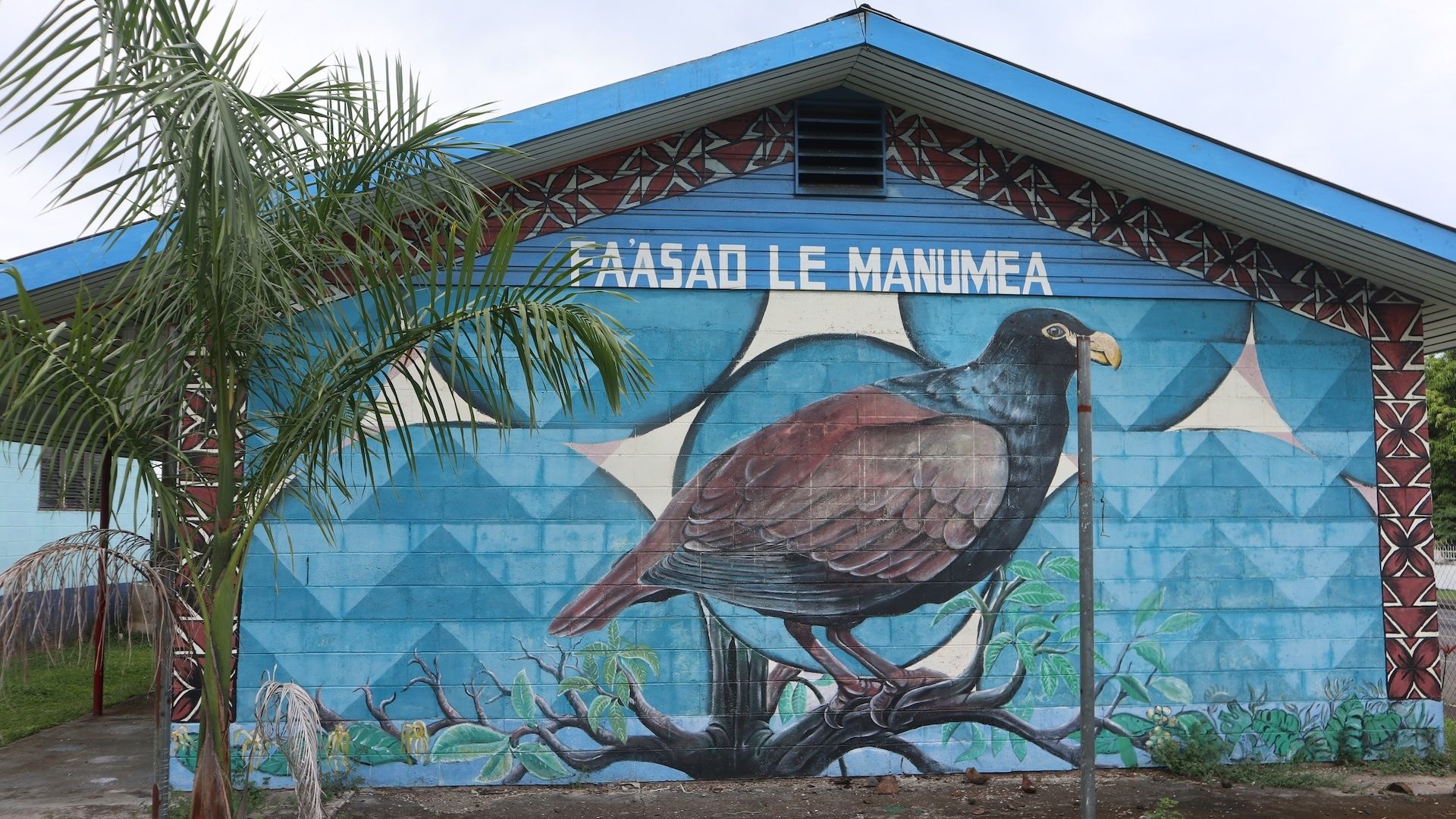
Racing Against Time: Saving SamoaS Critically Endangered Manumea
Samoa‘s national bird, the splendid manumea ( Megapodius stirpensis), is teetering on the brink of extinction. Fewer than 200 of these large,ground-dwelling birds remain,making them one of the most endangered birds in the world. A dedicated coalition of conservationists is working tirelessly to prevent the loss of this unique species, employing cutting-edge science alongside traditional conservation methods.
This article delves into the urgent efforts to save the manumea, the challenges faced, and the innovative strategies being deployed to secure its future.
The Manumea’s Plight: A Cascade of Threats
The manumea’s decline is a complex issue, stemming from a combination of factors. Historically,hunting played a role.However, today the primary threats are:
* Habitat Loss: Samoa’s rainforests are shrinking due to agriculture, logging, and progress.
* Invasive Species: Introduced predators like rats, cats, and dogs relentlessly prey on manumea eggs and chicks. Invasive plants also degrade the bird’s foraging and nesting habitats.
* Limited Genetic Diversity: A small population size means reduced genetic variation, making the manumea vulnerable to disease and environmental changes.
“The situation is critical,” explains Dr. Iva Uili, a conservation specialist with Samoa Conservation Society (SCS). ”Every individual manumea is vital to the species’ survival.”
Current Conservation Efforts: A Multi-Pronged Approach
Conservationists are tackling these threats through a variety of strategies. A current invasive species management program is already underway in the Malololelei Recreation Reserve,and SCS hopes to expand these efforts to other crucial habitats like Uafato with increased funding.
Here’s a breakdown of the key initiatives:
* Predator Control: Trapping and targeted removal of invasive predators are essential to protect nesting sites.
* Habitat Restoration: Reforestation efforts aim to restore degraded rainforest areas, providing the manumea with suitable habitat.
* Population Monitoring: Researchers are working to accurately estimate the manumea population size and track its distribution. This includes utilizing innovative acoustic monitoring - an app developed with support from the Colossal Foundation is being used to differentiate the manumea’s unique call from other bird species.
* Biobanking & Genetic research: If a manumea is secured, partners plan to preserve biological samples to create cultured cell lines. This will allow scientists to study the bird’s genetic makeup and inform future conservation strategies, potentially including captive breeding programs.
The Promise - and Peril – of “De-Extinction” Technologies
The Colossal Biosciences foundation, known for its ambitious “de-extinction” projects like the revival of the woolly mammoth and dodo, is also supporting manumea conservation. while the focus isn’t on bringing the manumea back from extinction (it’s not extinct yet!), the technologies developed for de-extinction have valuable applications.
However, experts caution against relying solely on technological solutions.
“Ther’s a need to be wary of efforts to bring extinct species back into ecosystems that have changed as they were alive,” warns Nic Rawlence, an associate professor and director of the Otago Palaeogenetics Laboratory at the University of Otago in New Zealand. “You must also bring back enough individuals to ensure genetic diversity – the so-called ‘500-rule’ – so they can adapt and survive.”
Rawlence and others emphasize that the most effective approach remains focused on addressing the immediate threats to the manumea’s survival. “It’s still going to come down to the grunt work of predator control, habitat restoration, and translocation,” he states.
A Collaborative Effort for a Shared Future
Saving the manumea requires a collaborative effort. The project is supported by a diverse group of organizations, including:
* Samoa Conservation Society (SCS)
* Samoa Ministry of Natural Resources and Environment
* BirdLife International
* The Colossal Foundation
* The Toledo Zoo
* The Waddesdon Foundation through the Zoological Society of London
This partnership demonstrates a shared commitment to protecting Samoa’s unique biodiversity.
What can you do?
While you may not live in Samoa, you can support
Related reading