
Federal authorities in the United States have taken decisive action against the illicit use of artificial intelligence, charging two men in connection with the creation and distribution of non-consensual synthetic imagery. The indictments, which mark a significant escalation in the legal response to digital exploitation, underscore the growing urgency for federal oversight as generative AI tools become increasingly accessible to the public.
The Department of Justice (DOJ) confirmed that the charges relate to the production and dissemination of what are commonly referred to as “deepfakes.” These synthetic media files, created using sophisticated algorithms to manipulate or generate realistic human images, have become a focal point for lawmakers and law enforcement agencies tasked with updating existing statutes to address modern technological threats. You can review the official details of such federal prosecutions through the Department of Justice newsroom.
Evolving Legal Frameworks for Synthetic Media
As AI technology evolves, the legal system is navigating the complexities of prosecuting individuals who use these tools to harass or exploit others. While traditional laws regarding harassment and cyberstalking have long existed, the specific application of these rules to AI-generated content—often categorized under broader umbrella terms like non-consensual intimate imagery—presents a new frontier for prosecutors. The recent indictments serve as a stark reminder that the creation of such content is not a consequence-free endeavor.
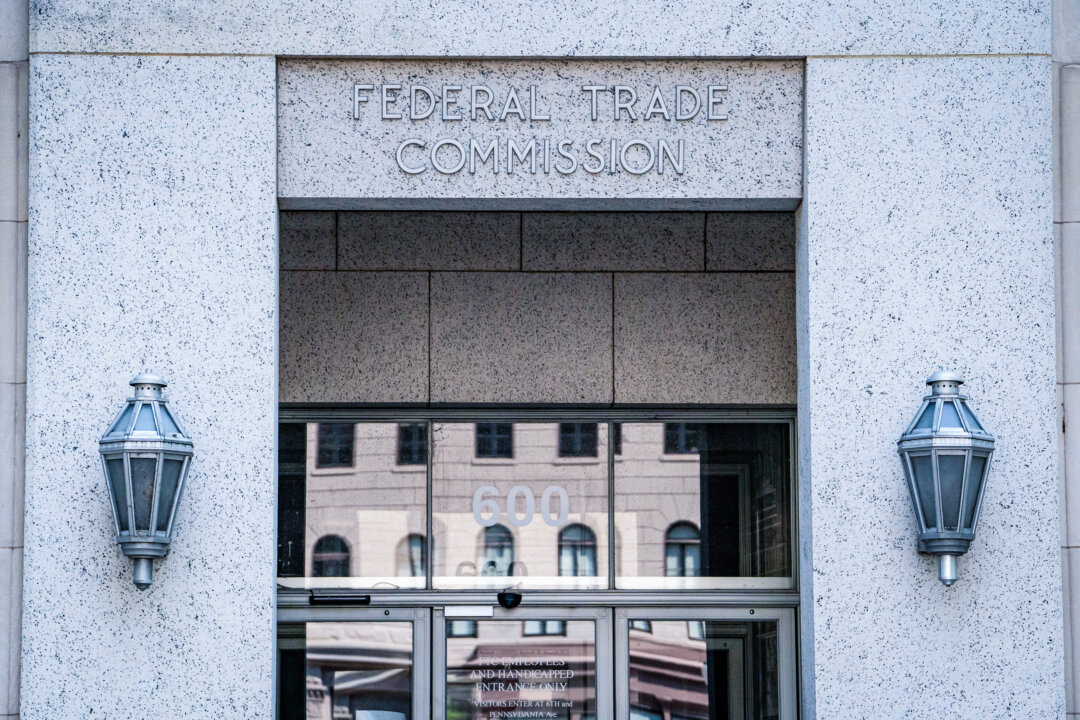
The legal challenges surrounding this issue are multifaceted. Courts are currently tasked with balancing the protection of individual privacy against the rapid development of generative technologies. According to insights from the Federal Trade Commission, the misuse of AI to deceive or harm individuals is an area of increasing regulatory focus, with authorities emphasizing that companies and individuals alike must adhere to established consumer protection and harassment laws, regardless of the technology employed.
The Impact of Non-Consensual AI Imagery
The harm caused by non-consensual deepfakes extends far beyond the digital realm. Victims of such exploitation often face significant psychological distress, reputational damage, and long-term personal consequences. Law enforcement agencies are increasingly prioritizing these cases, recognizing that the “victim-centered” approach is essential when investigating crimes that involve the malicious use of personal data and digital likenesses.
For those seeking to understand their rights or report digital abuse, the Federal Bureau of Investigation (FBI) provides resources on how to address cyber-related crimes and protect personal information online. As the digital landscape continues to change, the ability to identify, report, and prosecute these acts remains a critical component of public safety strategy.
Looking Ahead: What Happens Next?
The current legal proceedings against the two individuals serve as a bellwether for future federal enforcement. As the judicial process continues, stakeholders in the technology sector, civil rights advocacy groups, and government agencies will be watching closely to see how these cases influence the interpretation of existing laws and the potential for new, more specific legislation. The judiciary’s role in setting precedents for AI-related crimes will be instrumental in shaping the digital landscape for years to come.

We will continue to monitor the court dockets for updates on these cases and any subsequent rulings that may impact the broader regulatory environment. If you have thoughts on the balance between technological innovation and individual protections, I invite you to share your perspective in the comments section below.
Dr. Olivia Bennett is the Business Editor at World Today Journal. With over 18 years of experience in financial journalism and a PhD in Economics from the London School of Economics, she provides expert analysis on the intersection of global markets, emerging technology, and economic policy.
Keep reading