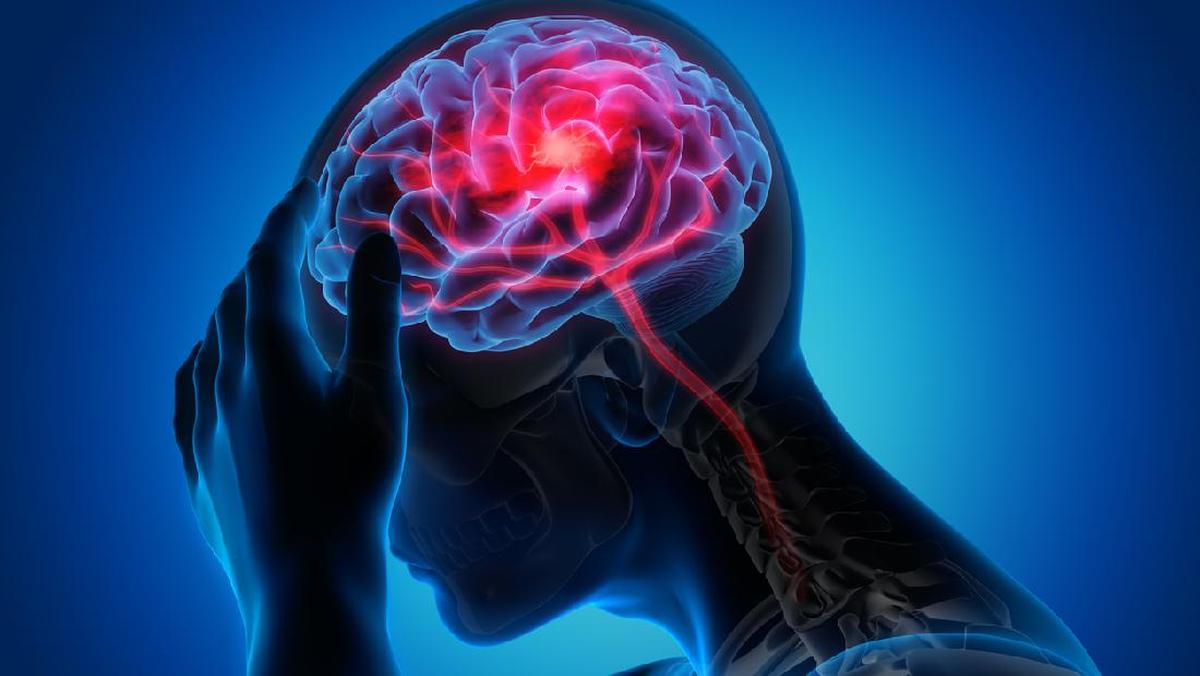
In recent years, the clinical landscape has shifted in a concerning direction: stroke is no longer a condition reserved for the elderly. As a physician, I have observed a growing number of patients in their 20s and 30s presenting with cerebrovascular events. While the traditional image of a stroke involves sudden, dramatic physical collapse, the reality for younger adults often involves hidden stroke symptoms that are easily dismissed as fatigue, stress, or minor neurological glitches. Recognizing these subtle markers early is not just a matter of medical awareness; it is a critical component of modern preventive health.
The rise in stroke incidence among younger populations is a multifaceted issue, often linked to the complex interplay of lifestyle factors, undiagnosed hypertension, and chronic stress. According to the American Heart Association, stroke in young adults—defined generally as those under 45—is increasingly recognized as a significant public health challenge, with rates of ischemic stroke rising in several high-income countries over the last two decades. Understanding why this is happening requires us to look beyond the surface and examine the systemic risks that define the modern, fast-paced lifestyle.
Beyond the FAST Acronym: Identifying Subtle Neurological Shifts
Most public health campaigns rely on the FAST acronym (Face drooping, Arm weakness, Speech difficulty, Time to call emergency services). While this remains the gold standard for recognizing acute stroke, it often fails to account for the atypical, “hidden” presentations we frequently see in clinical practice. In younger patients, strokes can sometimes manifest as transient sensory changes or cognitive disruptions that do not result in immediate, obvious paralysis.

Early warning signs that should never be ignored include sudden, unexplained migraine-like headaches—particularly if they are the “worst headache of your life”—or sudden bouts of vertigo and balance issues. Other indicators include unexplained visual disturbances, such as temporary blurring or loss of vision in one eye, and sudden numbness or tingling that affects only one side of the body. Because these symptoms can be transient—a phenomenon known as a Transient Ischemic Attack (TIA) or “mini-stroke”—patients often wait for them to resolve on their own. However, a TIA is a critical warning signal; the Centers for Disease Control and Prevention (CDC) notes that a TIA is a strong predictor of a future, potentially more severe stroke.
The Role of Chronic Stress and Hypertension in Young Adults
The narrative that stroke is an “old person’s disease” has contributed to a dangerous lack of vigilance among the younger demographic. We are currently seeing a surge in cases linked to chronic stress, which directly contributes to the development of hypertension (high blood pressure) at an earlier age. Hypertension is the single most important modifiable risk factor for stroke, yet many young adults remain unaware of their blood pressure status because they do not undergo regular screenings.
Chronic stress acts as a physiological catalyst, triggering the release of cortisol and adrenaline, which over time can damage the vascular endothelium—the inner lining of the blood vessels. When this system is compromised, it creates an environment where plaque can accumulate or clots can form more easily. The modern sedentary lifestyle, combined with poor dietary habits and the rising prevalence of metabolic syndrome, creates a “perfect storm” for vascular events. The World Health Organization (WHO) emphasizes that hypertension is often silent, with millions of people globally unaware they have the condition until a major health event occurs.
Genetic Factors and Emerging Research
While lifestyle remains the primary driver for many, we must also consider the role of genetics and underlying medical conditions. Recent studies have looked into various risk factors, including the potential influence of blood type on stroke risk. While media reports have occasionally sensationalized these findings, the medical consensus remains that while certain genetic markers may slightly elevate risk, they are almost always overshadowed by the impact of smoking, physical inactivity, and diet.
If you have a family history of cardiovascular disease, it is essential to discuss this with your physician. Genetic predisposition does not equate to a predetermined outcome; rather, it provides a roadmap for more aggressive preventive strategies. By knowing your numbers—blood pressure, cholesterol, and blood glucose levels—you can take control of your vascular health long before a crisis occurs.
Key Takeaways for Preventive Health
- Know your baseline: Schedule an annual physical that includes a blood pressure check, even if you feel perfectly healthy.
- Monitor the “Silent” Symptoms: Do not dismiss sudden, severe headaches, unexplained dizziness, or sensory changes as “just stress.”
- Manage Stress Proactively: Chronic stress is a biological stressor that impacts vascular health. Prioritize sleep, physical activity, and mindfulness.
- Understand the TIA: A “mini-stroke” is a medical emergency. Seek immediate care if you experience any neurological symptoms, even if they disappear within minutes.
The Path Forward: Empowerment through Awareness
The shift toward younger stroke incidence is a wake-up call for our healthcare systems and for individuals alike. It is never too early to start caring for your heart and brain health. Small, consistent lifestyle changes—reducing sodium intake, increasing cardiovascular exercise, and managing stress—have a cumulative, protective effect on the vascular system. The goal is to move from a reactive model of medicine to one that is focused on early identification and long-term risk reduction.

As we continue to gather data on the demographics of stroke, the medical community is focusing on better public education regarding these “hidden” symptoms. If you or someone you know experiences sudden neurological changes, do not wait. The window for effective intervention in stroke care is narrow, and time is brain. For those interested in tracking global health policies and updates on cardiovascular research, the World Heart Federation provides ongoing reports and advocacy guidance for public health initiatives.
We are currently awaiting updated global guidelines from major cardiovascular societies regarding screening thresholds for adults under 40, which are expected to be discussed in upcoming international medical summits later this year. In the meantime, I encourage all our readers to stay informed, prioritize their regular check-ups, and engage in open dialogues with their primary care providers. Have you found this information helpful in understanding your own health risks? Please leave a comment below or share this article to help us spread awareness about the importance of early stroke detection.
Keep reading