Beyond Stroke: Recognizing and Responding to Atypical Neurological Presentations in India
The incidence of stroke in india is rapidly rising, presenting a significant public health challenge. However, a growing understanding of “stroke mimics” – conditions presenting with stroke-like symptoms – is crucial for accurate diagnosis and effective treatment. A recent case at Wockhardt Hospitals highlights this critical point,demonstrating how a swift,nuanced approach can transform a possibly devastating neurological crisis into a complete recovery.This article delves into the implications of this case, offering guidance for clinicians, public health officials, and the public, emphasizing the need for both robust stroke prevention and a broadened diagnostic lens.
Atypical Presentation: When Neurological symptoms Don’t Fit the Stroke Profile
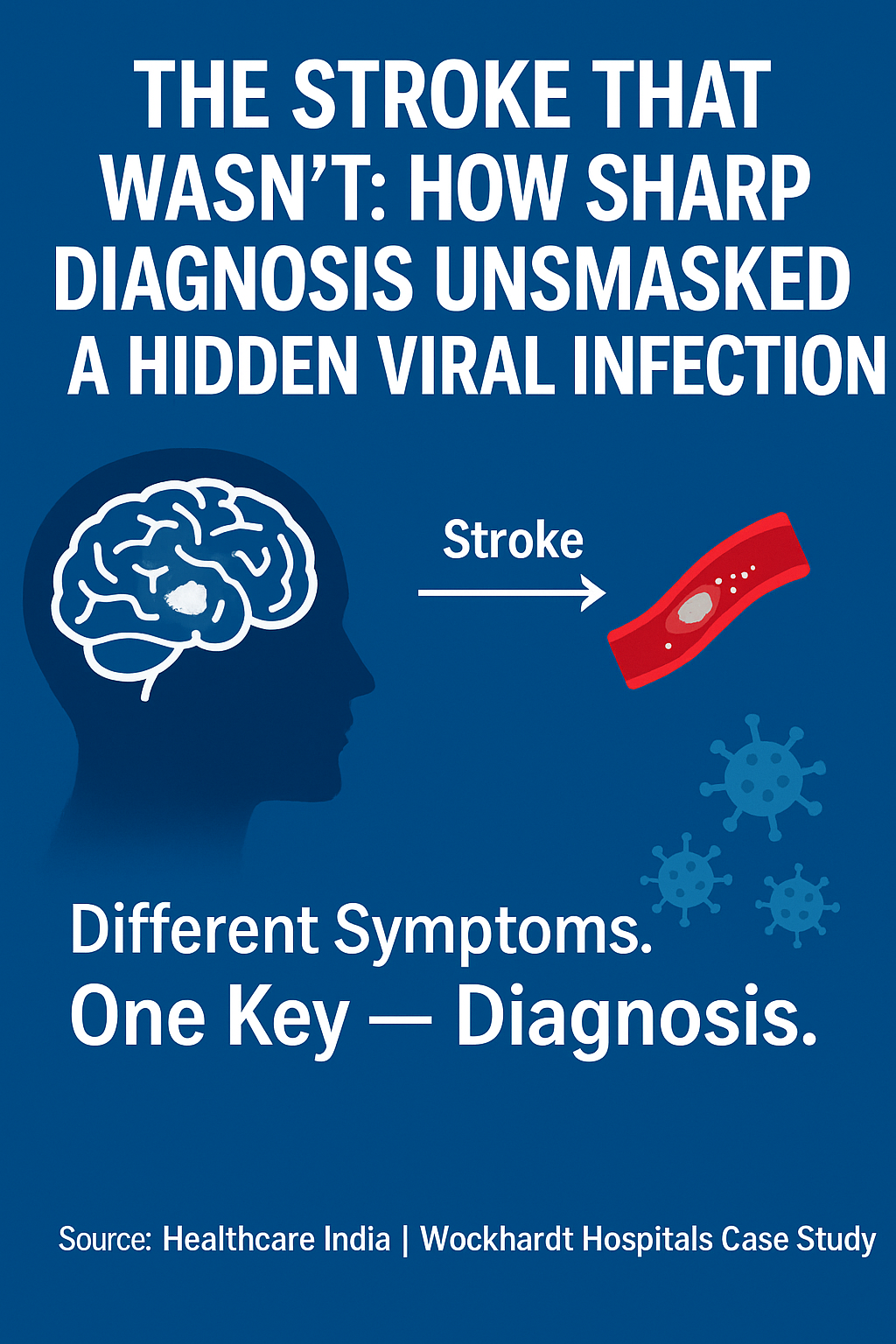
A patient recently presented with sudden imbalance,initially raising concerns for a stroke. Standard protocols were initiated, including neuroimaging. Though, the scan revealed a surprising finding: a rare white-matter lesion in the splenium of the corpus callosum, the vital connection between the brain’s hemispheres. Dr.Goyal, the attending physician, recognized the unusual pattern. “This is extremely rare,” she explained, “and can indicate certain viral infections or metabolic disturbances. Early detection is paramount for successful recovery.”
Further investigation revealed a subtle clue – a mild, short-lived fever preceding the onset of symptoms. This prompted testing for chikungunya, which returned positive. Remarkably,the patient’s presentation was atypical,lacking the characteristic joint pain and body aches typically associated with the virus. The neurology team instantly initiated steroid therapy, leading to remarkable improvement within days, with full restoration of balance and coordination within a week.
This case powerfully illustrates a critical lesson: not every episode of sudden neurological dysfunction is a stroke. Viral infections, like chikungunya, can manifest with neurological symptoms alone, demanding a broader differential diagnosis.
Implications for Clinical Practice: A Multi-faceted Approach
This case underscores several key takeaways for healthcare professionals:
* Prioritize Rapid Stroke Assessment: Given the increasing prevalence and debilitating nature of stroke in India, any sudden neurological symptom – focal weakness, imbalance, slurred speech, altered gait – requires immediate evaluation. This includes rapid clinical assessment, neuroimaging (CT/MRI), and activation of established stroke pathways. Time is undeniably critical in stroke management.
* Maintain a High Index of Suspicion for Stroke Mimics: Clinicians must be vigilant for conditions that mimic stroke, including infectious diseases like chikungunya, dengue, and herpes. These infections may present atypically, without the classic systemic symptoms.
* Leverage Advanced Neuroimaging: MRI patterns, in conjunction with a thorough clinical history (including recent viral prodrome), can be instrumental in differentiating between vascular stroke and choice diagnoses. The splenium lesion observed in this case is a prime example of how subtle imaging findings can guide diagnosis.
* focus on Younger Populations: While stroke is more common in individuals over 50, a significant and growing number of cases occur in younger adults. Lifestyle changes in india – increasing sedentary behaviour, consumption of processed foods, and rising rates of metabolic disorders – contribute to this trend. This necessitates a lower threshold for considering stroke and its mimics in younger patients.
* Invest in Clinical Systems for Rapid differentiation: Accurate and timely differentiation between stroke and stroke mimics requires access to advanced imaging, a team of trained neurologists, a robust clinical protocol for rapid decision-making, and a culture of collaborative, multidisciplinary care.
Public Health Strategies: Prevention is Paramount
Addressing the growing stroke epidemic in India requires a extensive public health strategy focused on prevention:
* Control Cardiovascular Risk Factors: Aggressive management of hypertension, diabetes, and dyslipidemia is essential.
* Promote Healthy Lifestyles: Encouraging regular physical activity, a balanced diet, and healthy weight management are crucial preventative measures.
* Reduce Harmful Substance Use: Addressing smoking and alcohol misuse is vital for reducing stroke risk.
* Increase Public Awareness: Educating the public about stroke symptoms, risk factors, and the importance of seeking immediate medical attention can substantially improve outcomes.
Research consistently demonstrates that a ample proportion of strokes in India are potentially preventable. Investing in these preventative measures will yield significant long-term benefits.
The Future of Neurological care in India
The case from Wockhardt Hospitals serves as a powerful reminder that neurological care in India must evolve beyond a solely stroke-centric approach. We must embrace a broader understanding of neurological presentations, invest in advanced diagnostic capabilities, and prioritize both prevention and precision diagnosis.
The rising incidence of stroke, coupled with the emergence of atypical neurological syndromes, demands a proactive and adaptable healthcare system. By acting fast, thinking broadly, and investing in both research and clinical infrastructure, we can mitigate the impact of this growing silent epidemic and ensure that more patients experience the life-
Keep reading