
The global silver market faces heightened volatility as the U.S. Dollar Index (DXY) sustains levels above the 100-point threshold, putting downward pressure on XAG/USD valuations. Financial analysts are currently monitoring whether silver prices will test the $60.83 resistance level, a figure that remains a focal point for institutional traders amid shifting macroeconomic signals. According to recent market data from Reuters, the inverse correlation between a strengthening greenback and precious metals continues to dictate short-term price action, as investors weigh the implications of Federal Reserve interest rate policy on non-yielding assets.
The strength of the U.S. dollar, which serves as the primary denomination for global silver trading, effectively increases the cost of the metal for holders of foreign currencies. When the DXY climbs above 100, as verified by MarketWatch tracking, the resulting liquidity shifts often lead to reduced speculative demand for silver futures. Traders are now analyzing whether the current price environment allows for a breakout toward the $60.83 mark or if prevailing headwinds will force a consolidation period.
Macroeconomic Drivers and Dollar Strength
The relationship between the U.S. dollar and silver is deeply rooted in monetary policy. Silver, unlike fiat currency, does not generate interest, making it less attractive when U.S. Treasury yields rise alongside a stronger dollar. As reported by the Federal Reserve, upcoming policy meetings remain the primary catalyst for market sentiment, as stakeholders look for clearer guidance on the trajectory of benchmark interest rates.
For investors, the $60.83 level represents a technical hurdle that has been identified by market technicians as a potential indicator of broader bullish sentiment. However, the current “dollar-heavy” environment presents a significant barrier. Data from the CME Group suggests that trading volumes in silver contracts have remained sensitive to daily shifts in the DXY, illustrating that the metal’s price is currently more reactive to currency fluctuations than to industrial demand metrics.
Market Sentiment and Institutional Positioning
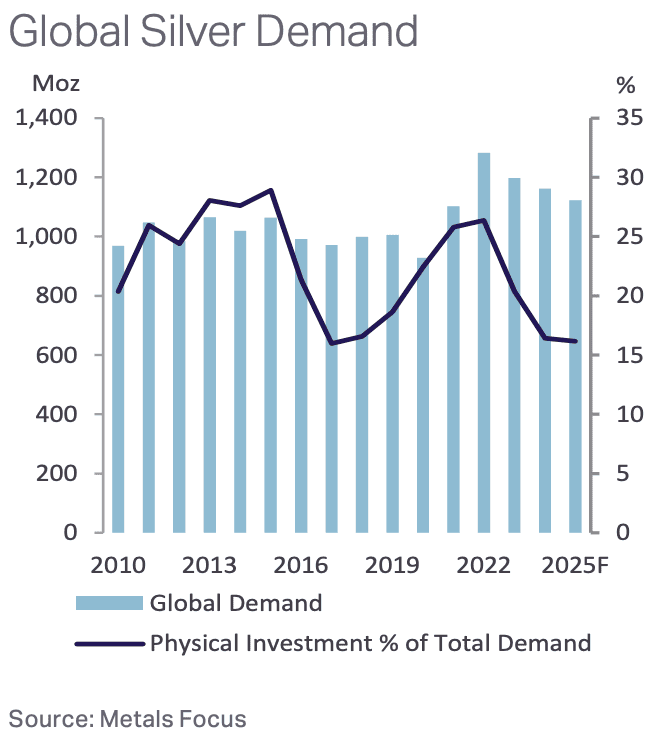
Institutional interest in silver often hinges on its dual nature as both a monetary hedge and an industrial commodity. While the solar and electronics sectors provide a stable floor for long-term demand, the immediate price action is dominated by hedge funds and algorithmic trading desks reacting to the strength of the dollar. According to analysis from the World Gold Council, which monitors broader precious metal trends, the current environment necessitates a cautious approach for those tracking short-term volatility in the XAG/USD pair.
Market participants are also observing the influence of geopolitical stability on safe-haven assets. When the dollar acts as the primary safe haven, silver often struggles to maintain gains, even if industrial demand remains robust. This divergence between the commodity’s physical utility and its financial pricing mechanism is at the heart of the current debate regarding the $60.83 target.
What Happens Next for Silver Traders
The next major checkpoint for the market will be the release of U.S. labor and inflation data, which historically influence the Federal Reserve’s stance on monetary tightening. Traders are advised to monitor official releases from the U.S. Bureau of Labor Statistics, as these reports frequently trigger shifts in the DXY that ripple through the precious metals markets.
Investors looking for technical updates on XAG/USD price action should prioritize data from regulated exchanges rather than speculative forecasts. As the market navigates the implications of a dollar index above 100, the focus remains on whether macroeconomic conditions will support a sustained move toward the $60.83 level or if the current resistance will hold firm. We welcome your insights on the current state of precious metals markets in the comments section below.