
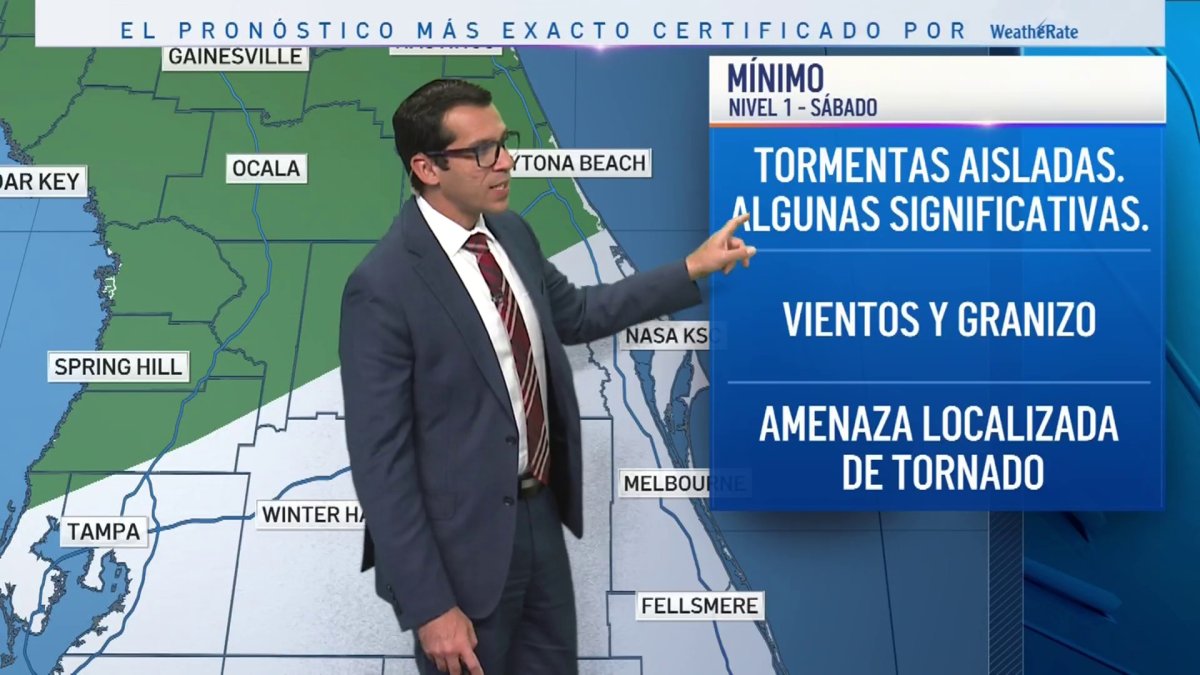
Residents across Central Florida are preparing for a significant shift in weather patterns as a storm system moves into the region this weekend. Following a period of unseasonably high temperatures, meteorologists are tracking a cold front that is expected to trigger a series of potentially strong storms, bringing a much-needed but volatile break from the heat.
The transition begins with a hot Friday, where temperatures are projected to reach around 92 degrees, according to reporting from WESH 2 News. However, this warmth is a precursor to a more active weather window. A cold front is forecast to arrive on Saturday, May 2, potentially bringing strong winds and rain earlier than initial models had suggested.
For those in the Central Florida corridor, the primary concern is the intensity of these upcoming cells. While some areas may experience light rain, other locations are likely to see locally strong storms. This volatility is characteristic of the region’s spring weather, where the clash between lingering heat and advancing cool fronts often creates unstable atmospheric conditions.
Timing and Expected Impacts for Saturday and Sunday
The arrival of the cold front on Saturday marks the beginning of a broader pattern of instability. According to current forecasts, the probability of precipitation is increasing, with some estimates placing rain chances between 60% and 70% as the weekend progresses, as reported by ClickOrlando.
While Saturday will see the initial push of the front, Sunday, May 3, is expected to bring more widespread “soaking rain” and heavy showers. This sequence of events is critical for the state’s ecology; the first quarter of 2026 was noted as very dry across most of Florida, with NOAA rainfall estimates showing a deficit compared to historic averages, according to the UF/IFAS Extension.
The potential for severe weather remains a point of monitoring. While some medium-range outlooks suggest the risk of severe activity may be low for certain sectors, the combination of gusty winds and high heat indices—which have recently approached 100 degrees in some areas—creates an environment where isolated strong storms can develop rapidly.
Key Weather Risks to Monitor
- Localized Flooding: With some isolated areas potentially seeing up to 4 inches of rain, urban flooding in low-lying regions of Central Florida is a possibility.
- Wind Gusts: The leading edge of the cold front on Saturday is expected to bring strong winds that could impact outdoor activities and unsecured structures.
- Rip Currents: Coastal residents should be aware that rip current statements have been in effect for several regions, including Volusia and Flagler counties, as the weather system shifts.
The Broader Context: Drought and Heat
This weekend’s storms are arriving during a period of extreme climatic stress for the state. Florida has been grappling with a persistent drought and elevated fire danger throughout the spring of 2026. The arrival of a storm system is viewed as “urgently needed rain” to mitigate these risks, though the intensity of the storms themselves presents a different set of hazards.
The pattern of “hit or miss” showers seen in late April has done little to alleviate the overarching drought. The current system represents a more organized attempt by the atmosphere to bring moisture back to the peninsula. However, the volatility of these storms—specifically the potential for hail and strong wind gusts—means that the relief comes with a degree of risk.
Why This Pattern Matters
In Florida, the transition from the dry season to the rainy season is rarely linear. When a strong cold front interacts with high humidity and heat, it acts as a trigger for convective activity. For residents, this means the difference between a refreshing rain and a damaging storm can be a matter of a few miles. This is why meteorologists emphasize that while the general region is under a rain forecast, the “locally strong” nature of the storms means some neighborhoods may be hit hard while others remain dry.
Safety Guidance for Residents
As the storm system approaches, local authorities and weather experts recommend the following precautions for Saturday and Sunday:
Stay Informed: Monitor local radar and National Weather Service (NWS) updates. Because these storms can be localized, a forecast for “rain” may not fully capture the intensity of a specific cell moving over your neighborhood.
Secure Outdoor Items: With strong winds expected on Saturday accompanying the cold front, ensure that patio furniture, trash cans, and other lightweight objects are secured or brought indoors.
Travel Caution: Heavy rain can rapidly reduce visibility and cause hydroplaning on major arteries like I-4. Drivers are encouraged to allow extra time for travel or avoid non-essential trips during the peak of the storm activity.
Water Safety: For those visiting the coast, adhere to all rip current warnings. The shift in wind direction and pressure associated with the incoming front often increases dangerous surf conditions even before the rain arrives.
| Metric | Saturday, May 2 | Sunday, May 3 |
|---|---|---|
| Primary Condition | Cold Front Arrival / Storms | Heavy Showers / Soaking Rain |
| Rain Probability | Increasing | 60-70% |
| Key Hazard | Strong Winds / Localized Storms | Potential Flooding / Heavy Rainfall |
| Temperature Trend | Cooling (Post-Front) | Moderate / Humid |
The next critical checkpoint for residents will be the updated National Weather Service briefings on Saturday morning, which will provide more precise timing for the cold front’s passage through the Orlando and Central Florida regions. These updates will clarify which specific zones are at the highest risk for strong wind gusts and heavy precipitation.
Do you have photos of the weather shifting in your area, or are you preparing for the weekend storms? Share your updates and safety tips in the comments below to aid your neighbors stay informed.