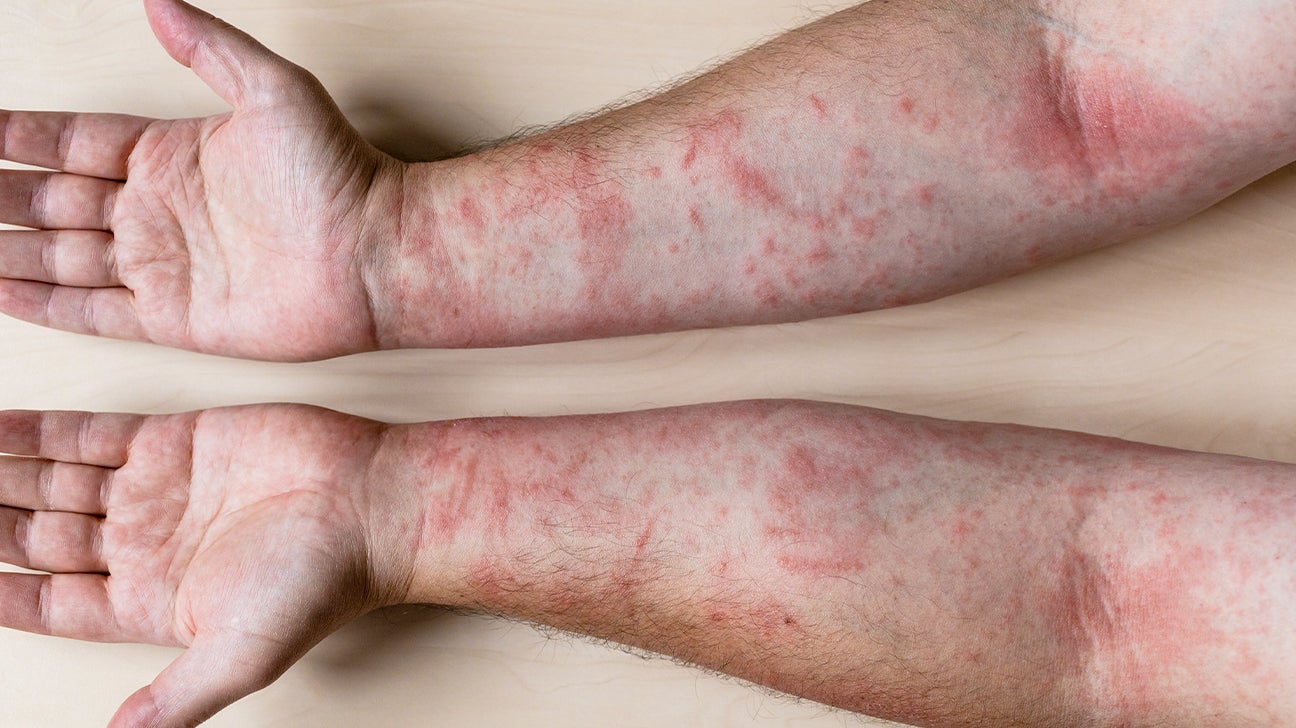
Millions of people worldwide struggle with allergies that disrupt sleep, leaving them exhausted and desperate for relief. A recent surge in online discussions—particularly on Korean-language health forums—highlights a growing frustration: even over-the-counter medications are failing to provide adequate symptom control for some individuals. While the specific case of a user posting “눈 코 피부 다 가려운데약 먹어도 오늘은 효과가 미미해서 죽겠네요” (transl. “My eyes, nose, and skin are itching so badly—even medication isn’t helping today, I can’t take it anymore”) reflects a personal experience, it underscores a broader public health challenge: why are allergy treatments sometimes ineffective, and what can sufferers do when standard options fail?
Allergies—whether seasonal, environmental, or food-related—trigger immune responses that can manifest as itchy skin, nasal congestion, watery eyes, and even sleep disturbances. According to the World Health Organization (WHO), up to 40% of the global population may experience allergic rhinitis (hay fever) alone, with similar or higher rates for other allergic conditions. Yet despite widespread use of antihistamines, nasal sprays, and other treatments, some patients report persistent symptoms, raising questions about resistance, misdiagnosis, or underlying conditions.
The disconnect between expectation and reality for allergy sufferers is particularly acute when it comes to sleep. Allergic reactions can release histamine and other inflammatory mediators that disrupt sleep architecture, leading to insomnia or poor-quality rest. A 2023 study published in the Journal of Allergy and Clinical Immunology found that allergic rhinitis was associated with a 30% higher risk of insomnia compared to non-allergic individuals. When medications fail to alleviate symptoms, the cycle of discomfort and sleep deprivation can become self-perpetuating, exacerbating stress and further weakening the immune system.
Why Allergy Medications Sometimes Fail
Several factors can contribute to the perceived or actual inefficacy of allergy treatments:
- Resistance or tolerance: Prolonged use of certain antihistamines (e.g., cetirizine or loratadine) may lead to reduced effectiveness, though this is less common than with antibiotics. Some patients develop cross-reactivity to multiple antihistamine classes.
- Misdiagnosis: Symptoms like itching, swelling, or fatigue can overlap with conditions such as eczema, chronic sinusitis, or even autoimmune disorders. A 2024 review in Allergy highlighted that up to 20% of patients initially diagnosed with allergies may have alternative underlying causes.
- Incorrect dosing or timing: Many over-the-counter allergy medications require consistent dosing to maintain therapeutic levels in the bloodstream. Skipping doses or taking them irregularly can reduce efficacy.
- Environmental triggers: Even with medication, exposure to high levels of allergens (e.g., pollen, dust mites, pet dander) can overwhelm the body’s response. Indoor air quality, humidity, and seasonal changes play critical roles.
- Psychological factors: Stress and anxiety can amplify perceived symptom severity, creating a feedback loop where frustration with medication failure leads to worse sleep and greater symptom perception.
For individuals like the user in the original post, the combination of widespread itching, nasal congestion, and skin irritation suggests a possible multisystem allergic reaction. While antihistamines target histamine-mediated symptoms, other pathways—such as those involving leukotrienes or prostaglandins—may require alternative treatments like montelukast (Singulair) or nasal corticosteroids. However, these too can lose effectiveness over time or in severe cases.
When to Seek Professional Help
If over-the-counter medications provide minimal relief for more than a few days, or if symptoms worsen despite treatment, consulting an allergist or immunologist is critical. According to the American College of Allergy, Asthma & Immunology (ACAAI), patients should consider professional evaluation if they experience:
- Symptoms lasting longer than two weeks despite treatment.
- Severe reactions, such as difficulty breathing or swelling of the face/throat.
- Unusual symptoms, such as persistent fatigue, joint pain, or gastrointestinal issues (which may indicate food allergies or eosinophilic disorders).
- Suspected drug or food allergies, which require specialized testing.
Allergists may recommend:
- Immunotherapy (allergy shots or sublingual tablets): Gradual exposure to allergens can retrain the immune system, reducing long-term sensitivity. Studies show immunotherapy can achieve 80–90% efficacy in properly selected patients.
- Biologics: For severe cases, medications like omalizumab (Xolair) or dupilumab (Dupixent) target specific immune pathways, offering relief when traditional treatments fail.
- Lifestyle and environmental modifications: Air purifiers, hypoallergenic bedding, and avoiding peak pollen hours can significantly reduce exposure.
Emerging Solutions: What’s on the Horizon?
Research into allergy treatments is advancing rapidly, with several promising avenues under investigation:
- Epigenetic therapies: Scientists are exploring how environmental factors and genetics interact to influence allergy development. A 2025 study in Nature Immunology suggested that modifying epigenetic markers could potentially “switch off” allergic responses in some patients.
- Microbiome modulation: Early research indicates that gut bacteria may play a role in immune regulation. Probiotics and fecal microbiota transplants are being tested as adjunct therapies.
- Personalized medicine: Genetic testing (e.g., for HLA types) may soon allow allergists to tailor treatments based on an individual’s unique immune profile.
While these innovations hold promise, they are not yet widely available. For now, patients must work closely with healthcare providers to optimize current treatments and explore alternative strategies.
Practical Steps for Immediate Relief
If you’re struggling with allergy symptoms that disrupt sleep, try these evidence-based strategies:
- Combine treatments: Use antihistamines at night and nasal sprays during the day to target different symptom pathways.
- Optimize sleep hygiene: Keep the bedroom cool, dark, and free of allergens. Consider a HEPA air purifier.
- Hydrate and soothe: Warm (not hot) showers can relieve skin itching, and saline nasal rinses may reduce congestion.
- Monitor triggers: Keep a symptom diary to identify patterns (e.g., worse symptoms after eating certain foods or spending time outdoors).
For those whose symptoms persist despite these measures, the next step is a thorough evaluation by an allergist. Many conditions—such as non-allergic rhinitis or chronic urticaria—mimic allergies but require different treatments.
Key Takeaways
- Allergy medications can lose effectiveness due to resistance, misdiagnosis, or improper use.
- Persistent symptoms—especially those affecting sleep—may indicate an underlying condition requiring specialist care.
- Immunotherapy and biologics offer long-term solutions for severe or treatment-resistant cases.
- Lifestyle adjustments, such as reducing allergen exposure and improving sleep hygiene, can complement medical treatments.
- Emerging therapies, including epigenetic and microbiome-based approaches, may revolutionize allergy care in the coming years.
If you’re among the millions battling allergies that disrupt your sleep, you’re not alone. While the search for relief can feel overwhelming, advances in medicine—and a proactive approach to symptom management—offer hope. For personalized advice, consult an allergist or immunologist to develop a tailored treatment plan.
Have you struggled with allergy treatments that didn’t work? Share your experiences in the comments below—or tag @WorldTodayJournal on social media to join the conversation.