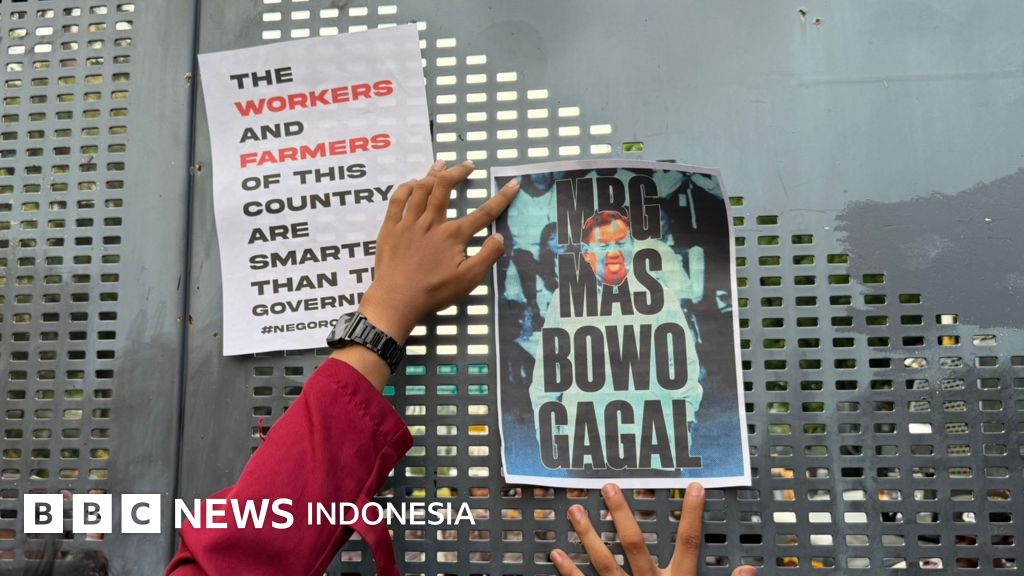
JAKARTA, Indonesia — Student-led protests have intensified across Indonesia, with demonstrations continuing in Jakarta, Bandung, and other cities as Vice President Gibran Raka met with student representatives at the Wapres (Vice Presidential) Office on Tuesday. The meetings follow weeks of protests over economic policies, education reforms, and political accountability, with student groups demanding government action on key issues.
According to multiple sources, including direct reports from student organizations and government officials, the protests have gained momentum despite earlier attempts at dialogue. Demonstrators have targeted government buildings, including the Wapres Office, where a group of students reportedly entered the premises on Monday. Vice President Gibran Raka, who has been engaged in discussions with student leaders, has documented their demands in a small notebook, a gesture that has been widely reported by Indonesian media.
The protests come amid broader public dissatisfaction with economic conditions, rising costs of living, and concerns over the direction of higher education policies. Student groups, including the Executive Board of the University of Indonesia (BEM UI) and the Aliansi Mahasiswa Indonesia (AMI), have been at the forefront of organizing demonstrations, with reports indicating that mediation efforts between student representatives and government officials are ongoing.
Why Are Students Protesting, and What Do They Want?
Student demonstrators have outlined several key demands, including:
- Economic relief: Calls for subsidies on basic goods, increased scholarships, and measures to address inflation, which has been cited as a major concern by student groups.
- Education reform: Demands for greater transparency in university funding, curriculum changes, and opposition to what they describe as “neoliberal policies” in higher education.
- Political accountability: Pressure on government officials to address allegations of corruption and mismanagement, particularly in public institutions.
According to a statement from the BEM UI, the protests are not limited to Jakarta and Bandung but have also been reported in cities such as Yogyakarta and Surabaya. The group emphasized that the demonstrations are peaceful and aimed at fostering dialogue rather than confrontation. “We are not against the government, but we want our voices to be heard,” a BEM UI representative told reporters.
Vice President Gibran Raka’s response has been closely watched. Reports indicate that during the meeting at the Wapres Office, Gibran Raka listened to student representatives and recorded their demands in a notebook—a symbolic gesture that has been interpreted by some as an acknowledgment of their concerns. However, no immediate policy changes or official statements have been announced following the meeting.
How Did the Protests Escalate, and What Happened at the Wapres Office?
The protests began in early June, with initial demonstrations focused on university campuses before expanding to city centers. On Monday, a group of students reportedly entered the Wapres Office in Jakarta, where they met with Gibran Raka. The incident was captured on social media, with videos showing students presenting their demands directly to the vice president.
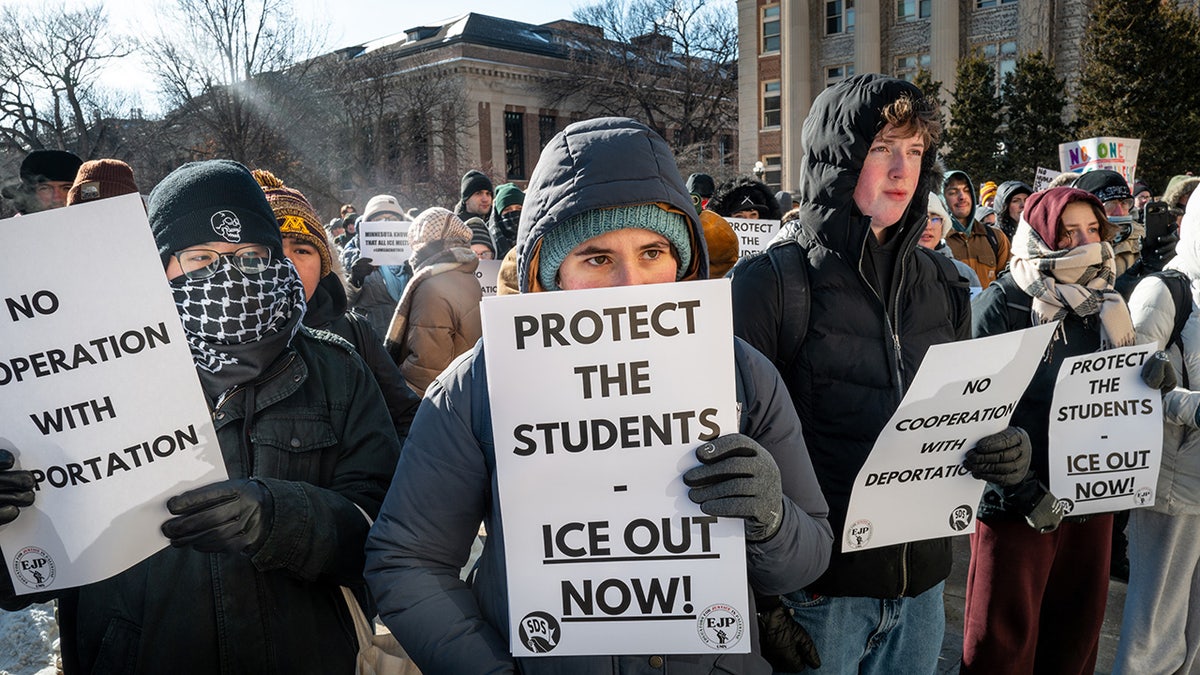
According to Detik.com, the students who entered the office were part of a delegation from the University of Indonesia (UI) and other universities. They were later joined by representatives from the University of Padjadjaran (UNPAD) in Bandung, where similar protests have taken place. The demonstrations in Bandung were reported to be smaller but equally determined, with students setting up tents outside the governor’s office to maintain continuous pressure.
In a separate development, the Executive Board of the University of Indonesia (BEM UI) and the Aliansi Mahasiswa Indonesia (AMI) announced they would continue mediation efforts with Gibran Raka’s office. A spokesperson for AMI stated that while the meetings were productive, students remain unsatisfied with the lack of concrete actions. “We need more than just words; we need policies that address our concerns,” the spokesperson said.
Government officials have not yet commented on whether the demands will be formally addressed, but sources close to the discussions suggest that the government is considering a series of measures, including increased student subsidies and reviews of university funding allocations.
What Happens Next? The Road Ahead for Student Protests
The next phase of the protests is expected to focus on sustained pressure through a combination of demonstrations and public campaigns. Student groups have indicated they will continue their actions until their demands are met, with plans to escalate if no progress is made in the coming weeks.

According to CNN Indonesia, the government is under increasing scrutiny to respond to the protests, particularly as they coincide with broader public discontent over economic policies. Analysts suggest that the government may face pressure to act swiftly to avoid further unrest.
For now, the focus remains on the ongoing dialogue between student representatives and government officials. Vice President Gibran Raka has expressed willingness to continue discussions, but the ultimate decision on policy changes rests with President Joko Widodo’s administration. The next official update is expected following a planned meeting between student leaders and government officials on Friday, June 21.
Key Takeaways: What Readers Should Know
- Protests are ongoing in Jakarta, Bandung, and other Indonesian cities, with student groups demanding economic relief, education reform, and political accountability.
- Vice President Gibran Raka met with student representatives at the Wapres Office, recording their demands in a notebook—a symbolic but non-binding gesture.
- Student groups are organizing mediation efforts but remain unsatisfied with the lack of concrete policy responses.
- The government has not yet announced specific measures, though discussions are underway.
- The next official update is expected on June 21, following a planned meeting between student leaders and government officials.
For those following the developments, official statements from the Indonesian government and student organizations can be found on their respective websites. The Ministry of Education and Culture and the Wapres Office have not yet released detailed responses, but updates are anticipated in the coming days.
What do you think about the protests and their potential impact on Indonesian policies? Share your thoughts in the comments below or on our social media channels.
Worth a look